

فيما أفاد متحدث باسم الخارجية الإيرانية، اليوم (الأربعاء)، بأن طهران «تقيم» مقترح واشنطن للسلام المؤلف من 14 بنداً، بحسب ما نقلت شبكة «سي.إن.بي.سي»، تراجع الحرس الثوري، عن تهديداته وأعلن أن العبورفي مضيق هرمز بات ممكناً.
وذكرت القوات البحرية التابعة للحرس الثوري، أنه «مع انتهاء التهديدات، وفي ضوء الإجراءات الجديدة، سيصبح العبور الآمن والمستقر عبر المضيق ممكناً»، بحسب ما نقلت وكالة «رويترز» عن وسائل إعلام رسمية إيرانية.
ووجهت بحرية الحرس الثوري الشكر إلى قادة ومالكي السفن في الخليج العربي وخليج عُمان، لتعاونهم في عبور مضيق هرمز وفقاً للوائح الإيرانية.
وكان الرئيس الأمريكي دونالد ترمب، أعلن تعليق عملية «مشروع الحرية»، التي كانت تستهدف مرافقة السفن العالقة للخروج من مضيق هرمز، لإتاحة المجال أمام التوصل إلى اتفاق ينهي الحرب، لكنه أكد أن الحصار الذي تفرضه القوات الأمريكية على الموانئ الإيرانية سيبقى قائماً.
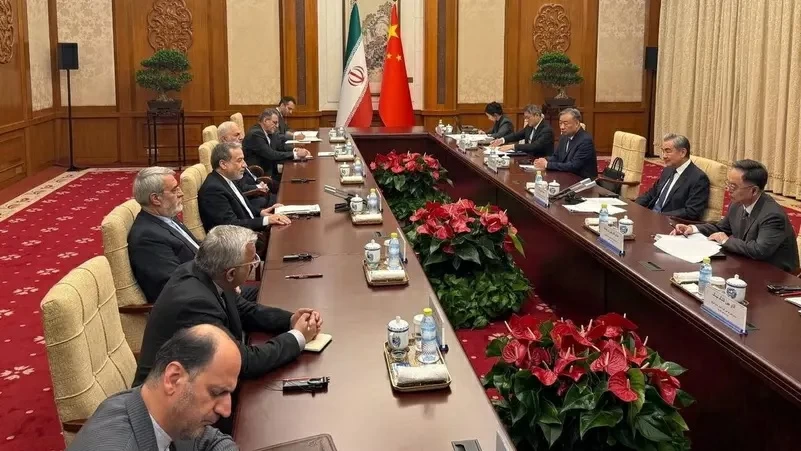
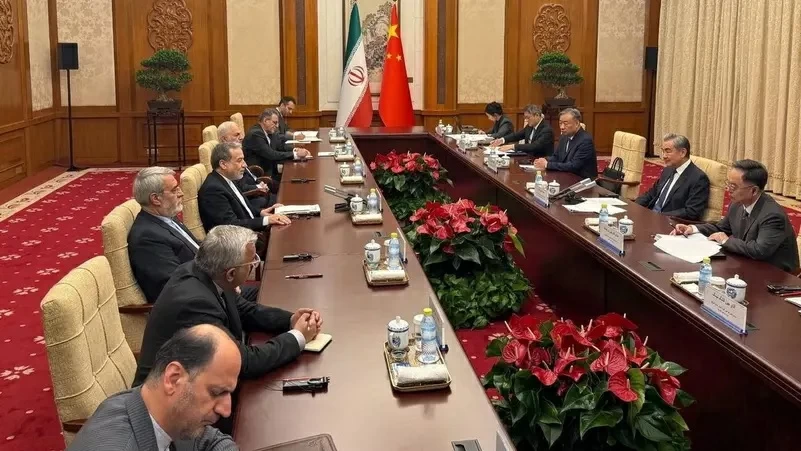
وقال مسؤولون أمريكيون ومصادر مطلعة لموقع «أكسيوس»، ومصدر باكستاني لـ «رويترز»، إن الولايات المتحدة وإيران تقتربان من التوصل لمذكرة تفاهم من صفحة واحدة لإنهاء الحرب، فيما قال وزير الخارجية الإيراني، عباس عراقجي، إن بلاده لن تقبل إلا باتفاق عادل وشامل. وأكد خلال لقاء نظيره الصيني أن بكين صديق مقرب والتعاون الثنائي سيكون «أقوى في ظل الظروف الراهنة».
من جهته، قال وزير الخارجية الصيني وانغ يي: إن بكين مستعدة لمواصلة جهودها لخفض التوتر، مشدداً على أن اللقاءات المباشرة بين واشنطن وطهران ضرورية، إذ إن المنطقة تمر بمنعطف مصيري.
وأبلغ وزير الخارجية الصيني نظيره الإيراني أن الصين «تشعر بضيق شديد»؛ بسبب الحرب المستمرة منذ أكثر من شهرين، وقال إن هناك حاجة «لوقف شامل لإطلاق النار».
وقال وانغ، وفقاً لمقطع فيديو للقاء «نعتقد أن هناك حاجة ماسة للتوصل لوقف إطلاق نار شامل، وأن مواصلة الأعمال العدائية يعد أمراً غير مقبول، وأنه من المهم بصورة خاصة مواصلة الالتزام بالحوار والمفاوضات».
وحث واشنطن وطهران على إعادة فتح مضيق هرمز في أسرع وقت ممكن، مشدداً بالقول: «نأمل أن تستجيب الأطراف قريباً لنداءات المجتمع الدولي من أجل العبور الآمن في المضيق».
والتقى وزير الخارجية الصيني نظيره الإيراني في بكين، صباح الأربعاء، وفق ما أفادت وكالة أنباء الصين الجديدة «شينخوا» دون تقديم مزيد من التفاصيل.
A spokesman for the Iranian Foreign Ministry stated today (Wednesday) that Tehran is “evaluating” Washington’s 14-point peace proposal, according to the CNBC network, while the Revolutionary Guard has retracted its threats and announced that passage through the Strait of Hormuz has become possible.
The naval forces of the Revolutionary Guard mentioned that “with the end of the threats, and in light of the new measures, safe and stable passage through the strait will become possible,” according to what the Reuters agency reported from Iranian state media.
The Revolutionary Guard’s navy thanked the leaders and ship owners in the Arabian Gulf and the Gulf of Oman for their cooperation in passing through the Strait of Hormuz in accordance with Iranian regulations.
U.S. President Donald Trump announced the suspension of the “Freedom Project,” which aimed to escort stranded ships out of the Strait of Hormuz, to allow for an agreement to end the war, but he confirmed that the blockade imposed by U.S. forces on Iranian ports would remain in place.
American officials and informed sources told Axios, and a Pakistani source to Reuters, that the United States and Iran are nearing a one-page memorandum of understanding to end the war, while Iranian Foreign Minister Abbas Araghchi stated that his country would only accept a fair and comprehensive agreement. He confirmed during a meeting with his Chinese counterpart that Beijing is a close friend and that bilateral cooperation will be “stronger under the current circumstances.”
For his part, Chinese Foreign Minister Wang Yi stated that Beijing is ready to continue its efforts to reduce tensions, emphasizing that direct meetings between Washington and Tehran are essential, as the region is at a critical juncture.
Wang informed his Iranian counterpart that China “feels very distressed” due to the ongoing war for more than two months, and stated that there is a need for a “comprehensive ceasefire.”
Wang said, according to a video of the meeting, “We believe there is an urgent need to reach a comprehensive ceasefire, and that continuing hostilities is unacceptable, and it is especially important to continue commitment to dialogue and negotiations.”
He urged Washington and Tehran to reopen the Strait of Hormuz as soon as possible, stressing, “We hope that the parties will soon respond to the international community’s calls for safe passage through the strait.”
The Chinese Foreign Minister met with his Iranian counterpart in Beijing on Wednesday morning, according to the Xinhua News Agency, without providing further details.