



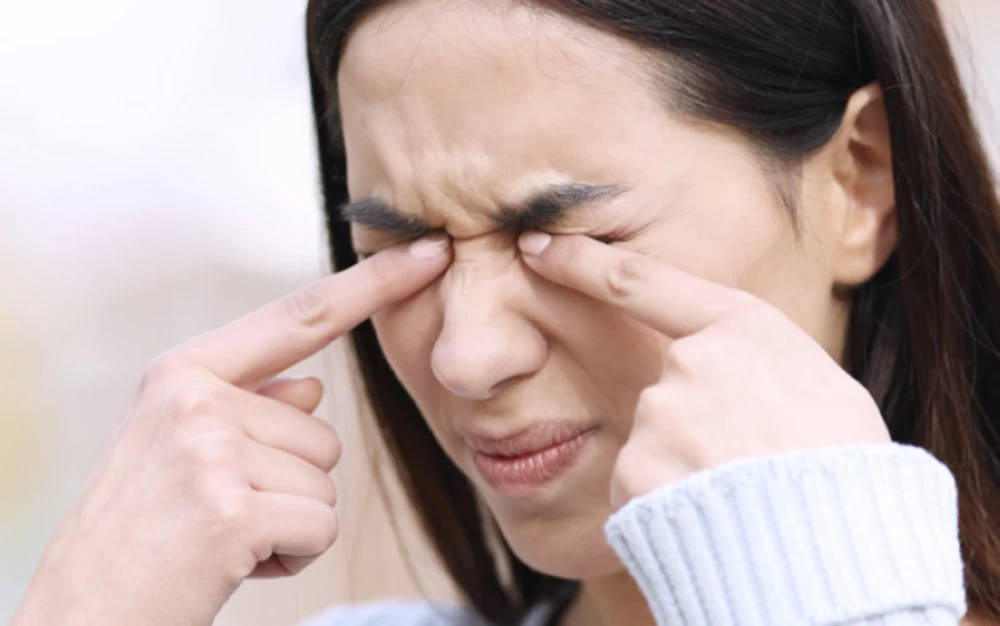
يُعد تدهور البصر إحدى أكثر المشكلات الصحية انتشاراً عالمياً، إذ تشير التقديرات الصحية إلى أن مئات الملايين حول العالم يعانون من ضعف البصر بدرجات متفاوتة، سواء نتيجة أمراض يمكن الوقاية منها أو حالات مرتبطة بالتقدم في العمر. ويؤثر تراجع القدرة البصرية بشكل مباشر على جودة الحياة، والقدرة على التعلم والعمل، ويُعد من الأسباب الرئيسية للإعاقة في العديد من الدول، خصوصاً لدى كبار السن.
وتوضح تقارير منظمة الصحة العالمية، أن أكثر من مليار شخص حول العالم يعانون من ضعف بصري يمكن الوقاية منه أو علاجه، مثل قصر النظر، طول النظر، اعتلال الشبكية السكري، المياه البيضاء (الساد)، المياه الزرقاء (الجلوكوما). وتؤكد المنظمة أن نسبة كبيرة من حالات فقدان البصر كان يمكن تجنبها عبر الفحص المبكر والعلاج المناسب، لذلك تركز المنظمة على مكافحة الأسباب الشائعة لتدهور البصر مثل السكري، الذي يُعد أحد أبرز مسببات اعتلال الشبكية وفقدان البصر غير القابل للعكس.
وفي المملكة العربية السعودية، تولي وزارة الصحة اهتماماً كبيراً بصحة العين ضمن برامجها الوقائية، إذ تعمل على تعزيز الوعي بأهمية الفحص الدوري للعين، خصوصاً لدى مرضى السكري وكبار السن. كما توفر الوزارة خدمات متقدمة في مستشفياتها ومراكزها التخصصية؛ تشمل فحوصات الشبكية، وعلاج اعتلالات العين بالليزر والحقن، وجراحات الساد والجلوكوما. وتنفذ الوزارة حملات توعوية دورية للحد من مضاعفات السكري على العين، وتدعم برامج الكشف المبكر في المراكز الصحية الأولية، إضافة إلى مبادرات لتحسين جودة الخدمات البصرية في مختلف المناطق.
ويؤكد المختصون أن الوقاية من تدهور البصر تبدأ من الاهتمام بنمط الحياة الصحي، وإجراء الفحوصات الدورية، خصوصاً لمن لديهم عوامل خطورة مثل السكري وارتفاع ضغط الدم والتقدم في العمر. كما يُنصح بالابتعاد عن الإجهاد البصري، والالتزام باستخدام النظارات الطبية عند الحاجة، وحماية العين من الأشعة فوق البنفسجية، والحرص على التغذية الغنية بالفيتامينات والمعادن المفيدة لصحة العين.
علامات يغفل عنها الكثيرون
يوضح استشاري طب وجراحة العيون وجراحات القرنية وتصحيح الإبصار الدكتور محمد عبدالواسع قوقندي، أن مشكلات البصر تبدأ غالباً بعلامات خفيفة يظنها الكثيرون عابرة، مثل تشوش الرؤية، وضعف الرؤية الليلية، والحساسية للضوء، وظهور الهالات، والصداع بعد القراءة، إضافة إلى العوائم أو الومضات، وجفاف العين، وصعوبة التركيز على المسافات، أو فقدان جزء من الرؤية الجانبية. ويشير إلى أن هذه العلامات غالباً ما تُهمل لأنها تظهر تدريجياً أو تُنسب للإجهاد، وقد يحدث التدهور في إحدى العينين أو كلتيهما على شكل تغبيش أو ضعف في التركيز أو رؤية سواد أو فقدان جزء من مجال البصر دون أن يدرك المريض خطورة الأمر.
ويؤكد الدكتور قوقندي أن التشخيص يتأخر في كثير من الحالات؛ بسبب سوء تقدير الأعراض أو تأخر المريض في طلب الرعاية، إضافة إلى أن بعض أمراض العين تبدأ بأعراض غير واضحة تجعل المريض يعتقد أنها بسيطة أو مؤقتة، مما يسمح للحالة بالتفاقم. فالكشف المبكر يرفع فرص الحفاظ على البصر أو تحسينه بشكل كبير، خاصة في الحالات القابلة للعلاج.
حماية ما تبقى من الإبصار
ويبين الدكتور قوقندي أن العديد من الحالات يمكن فيها إبطاء تدهور البصر حتى لو لم يكن بالإمكان استعادته بالكامل، فالعلاج المبكر والمتابعة المنتظمة يساعدان في الحفاظ على ما تبقى من الرؤية. فبعض الأسباب يمكن علاجها واستعادة البصر فيها مثل الماء الأبيض أو الأخطاء الانكسارية.
نوع المرض ومرحلة اكتشافه
ويضيف قوقندي أن نسبة الحالات التي يمكن فيها استعادة البصر تختلف عن تلك التي يمكن فقط إبطاء تدهورها؛ فاستعادة الرؤية الكاملة في أمراض مثل الجلوكوما والتنكس البقعي واعتلال الشبكية السكري تُعد نادرة، ويتركز العلاج فيها على إيقاف التدهور أو إبطائه. أما الماء الأبيض والأخطاء الانكسارية فغالباً ما يمكن علاجها بنجاح كبير إذا كانت بقية أجزاء العين سليمة.
نصائح قبل التشخيص وبعده
وينصح الدكتور قوقندي عند الشعور بأعراض مثل تشوش الرؤية أو صعوبة التركيز بتقليل الأنشطة التي تزيد إجهاد العين، مع أخذ فترات راحة وتحسين الإضاءة، مؤكداً أنه لا توجد أنشطة يجب إيقافها تماماً إلا بعد تقييم طبي يحدد السبب.
الأجهزة الرقمية وباء صامت
من زاوية أخرى، تسلّط استشارية طب وجراحة العيون الدكتورة فاطمة أكبر، الضوء على مسببات الإجهاد البصري الحديثة، مؤكدة أن الاستخدام المطوّل للأجهزة الرقمية أصبح اليوم أحد أكثر أسباب إجهاد العين شيوعاً، فالتحديق المستمر في الشاشات يؤدي إلى تغبيش الرؤية والصداع وزيادة احتمالية جفاف العين؛ نتيجة انخفاض معدل الرمش أثناء التركيز. وللحد من هذه الأعراض، توصي باتباع قاعدة 20/20/20؛ أي النظر كل 20 دقيقة إلى جسم يبعد 20 قدماً لمدة 20 ثانية، إضافة إلى زيادة معدل الرمش لضمان ترطيب العين وتوزيع الدموع بشكل متوازن.
الإضاءة الضعيفة تزيد الإجهاد
وتوضح الدكتورة أكبر أن العمل أو القراءة في أماكن منخفضة الإضاءة يزيدان من إجهاد العين ويجعلان الرؤية أكثر صعوبة، خصوصاً مع التقدم في العمر. فمع مرور السنوات، ترتفع احتمالية الإصابة بالماء الأبيض (الساد)، والتنكس البقعي المرتبط بالعمر، والجلوكوما الناتجة عن ارتفاع ضغط العين؛ ما يجعل كبار السن أكثر عرضة لتدهور البصر.
وتضيف الدكتورة أكبر قائلة: ترتبط مشكلات الرؤية ببعض الأمراض المزمنة، وعلى رأسها السكري، الذي قد يؤدي إلى الماء الأبيض، ورشح مركز الإبصار، وتغيرات في الشبكية قد تتطور إلى نزيف في السائل الزجاجي أو انفصال شبكي إذا لم تُعالج في الوقت المناسب. كما قد يسهم ارتفاع ضغط الدم في رفع ضغط العين لدى بعض المرضى، خصوصاً من لديهم تاريخ عائلي للجلوكوما.
وتشدد الدكتورة أكبر على أن تدهور النظر المفاجئ يُعدّ حالة طارئة تستدعي التوجه مباشرة إلى قسم الطوارئ، إذ قد يكون سببه انسداداً في شريان أو وريد الشبكية أو انفصالاً شبكياً، وهي حالات تتطلب تدخلاً عاجلاً للحفاظ على ما يمكن من الرؤية.
أما الفحوصات الدورية، فتختلف حسب الحالة الصحية للمريض؛ فمريض السكري الذي لا يعاني من تغيرات في الشبكية يُنصح بإجراء فحص سنوي، بينما يحتاج من ظهرت لديه تغيرات إلى فحص كل ستة أشهر. أما الأشخاص الذين يعانون من قصر النظر فقط ويستخدمون النظارات، فيُكتفى عادة بفحص سنوي.
وراثة وعادات خاطئة
يؤكد استشاري طب وجراحة العيون الدكتور جوزيف حبيب أن أسباب تدهور البصر متعددة، وتشمل العيوب الانكسارية مثل قصر النظر وطول النظر، وأمراض الشبكية، والمياه البيضاء (الساد)، والمياه الزرقاء (الجلوكوما). كما يوضح أن بعض الأمراض المزمنة، مثل داء السكري وارتفاع ضغط الدم، تسهم بشكل مباشر في ضعف الرؤية وتفاقم مشكلات العين.
عامل خفي يضعف الإبصار
ويشير الدكتور حبيب إلى أن العادات اليومية غير الصحية تلعب دوراً مهماً في زيادة احتمالية تدهور البصر، مثل الإجهاد البصري الناتج عن الاستخدام المفرط للأجهزة الرقمية، وسوء التغذية، وقلة التعرض للضوء الطبيعي. ويضيف أن وجود تاريخ عائلي للجلوكوما أو التنكس البقعي أو بعض اعتلالات الشبكية يرفع من احتمالية الإصابة، ما يجعل الفحص الدوري ضرورة للأشخاص الأكثر عرضة.
ومع الانتشار الواسع للأجهزة الرقمية، يصف الدكتور حبيب إجهاد العين الناتج عنها بأنه «وباء صامت»، إذ أدى الاستخدام المفرط للشاشات إلى زيادة معدلات جفاف العين وقصر النظر، خصوصاً لدى الأطفال والشباب. ويعود ذلك إلى طول فترات التركيز على المسافات القريبة وقلة التعرض للضوء الطبيعي. كما يحذر من بعض العادات مثل فرك العين، الذي قد يزيد من احتمالية الإصابة بالقرنية المخروطية ويُفاقم الحساسية والالتهابات، ما يؤثر على جودة الإبصار مع مرور الوقت.
الجلوكوما خطر مفاجئ
ويبين الدكتور حبيب أن الجلوكوما قد تظهر بشكل مفاجئ في بعض الحالات الحادة نتيجة ارتفاع ضغط العين بسبب انسداد زاوية التصريف، بينما تتطور أنواع أخرى منها بصمت دون أعراض واضحة حتى مراحل متقدمة. موضحا أن الماء الأبيض هو عتامة في عدسة العين تؤدي إلى ضعف تدريجي في الرؤية ويمكن علاجه جراحياً، بينما الماء الأزرق هو مرض يصيب العصب البصري وقد يؤدي إلى فقدان دائم للبصر إذا لم يُكتشف مبكراً.
أعراض قد تبدو بسيطة
ويشير إلى أن الماء الأبيض والعيوب الانكسارية غير المصححة تُعد من أكثر أسباب تدهور البصر شيوعاً لدى البالغين، إضافة إلى اعتلال الشبكية السكري لدى المصابين بالسكري. ورغم أن الاحمرار أو الإفرازات غالباً ما تكون أعراضاً بسيطة مثل التهابات الملتحمة، إلا أنها قد تشير أحياناً إلى التهابات أعمق في القرنية أو داخل العين، والتي قد تسبب مضاعفات خطيرة إذا لم تُعالج سريعاً.
ويؤكد الدكتور حبيب أن فقدان البصر يُكتشف متأخراً في كثير من الحالات بسبب تطور بعض أمراض العين دون أعراض واضحة، لذا الوقاية تبقى أساس الحفاظ على صحة العين، من خلال الفحص الدوري خصوصاً لمن لديهم عوامل خطورة، واتباع نمط حياة صحي يشمل التغذية المتوازنة وتقليل إجهاد العين. ويظل الكشف المبكر العامل الأهم في الحفاظ على نعمة البصر وجودة الحياة.
خلاصة القول
يبقى تدهور البصر مشكلة صحية يمكن الحدُّ من آثارها بشكل كبير عبر الوعي، والفحص المبكر، وتوفير خدمات الرعاية البصرية المتخصصة، وهي جهود تتكامل فيها الأدوار بين المنظمات الدولية والجهات الصحية الوطنية والجمعيات المتخصصة؛ لضمان الحفاظ على نعمة البصر وجودة الحياة.
Vision deterioration is considered one of the most widespread health issues globally, with health estimates indicating that hundreds of millions around the world suffer from varying degrees of vision impairment, whether due to preventable diseases or age-related conditions. The decline in visual ability directly affects quality of life, learning, and work capacity, and is one of the main causes of disability in many countries, especially among the elderly.
Reports from the World Health Organization indicate that more than a billion people worldwide suffer from preventable or treatable vision impairment, such as myopia, hyperopia, diabetic retinopathy, cataracts, and glaucoma. The organization emphasizes that a significant proportion of vision loss cases could have been avoided through early screening and appropriate treatment. Therefore, the organization focuses on combating common causes of vision deterioration, such as diabetes, which is one of the leading causes of retinopathy and irreversible vision loss.
In the Kingdom of Saudi Arabia, the Ministry of Health places great importance on eye health within its preventive programs, working to raise awareness about the importance of regular eye examinations, especially for diabetic patients and the elderly. The ministry also provides advanced services in its hospitals and specialized centers, including retinal examinations, laser treatments for eye disorders, and surgeries for cataracts and glaucoma. The ministry conducts periodic awareness campaigns to reduce the complications of diabetes on the eyes and supports early detection programs in primary health care centers, in addition to initiatives to improve the quality of optical services in various regions.
Experts confirm that preventing vision deterioration begins with attention to a healthy lifestyle and regular check-ups, especially for those with risk factors such as diabetes, high blood pressure, and aging. It is also advised to avoid visual strain, adhere to the use of corrective glasses when needed, protect the eyes from ultraviolet rays, and ensure a diet rich in vitamins and minerals beneficial for eye health.
Signs often overlooked by many
Consultant ophthalmologist and corneal surgery specialist Dr. Mohammed Abdulwasih Qoqandi explains that vision problems often begin with mild signs that many consider transient, such as blurred vision, poor night vision, light sensitivity, halos, headaches after reading, as well as floaters or flashes, dry eyes, difficulty focusing on distances, or loss of part of the peripheral vision. He points out that these signs are often neglected because they appear gradually or are attributed to strain, and deterioration may occur in one or both eyes in the form of blurriness, difficulty concentrating, seeing darkness, or losing part of the visual field without the patient realizing the seriousness of the matter.
Dr. Qoqandi confirms that diagnosis is often delayed in many cases due to misjudgment of symptoms or the patient’s delay in seeking care, in addition to some eye diseases starting with unclear symptoms that lead the patient to believe they are simple or temporary, allowing the condition to worsen. Early detection significantly increases the chances of preserving or improving vision, especially in treatable cases.
Protecting what remains of vision
Dr. Qoqandi indicates that many cases can slow vision deterioration even if full restoration is not possible; early treatment and regular follow-up help preserve what remains of vision. Some causes can be treated and vision restored, such as cataracts or refractive errors.
Type of disease
And the stage of its discovery
Dr. Qoqandi adds that the proportion of cases in which vision can be restored differs from those that can only have their deterioration slowed; full vision restoration in diseases such as glaucoma, macular degeneration, and diabetic retinopathy is considered rare, with treatment focusing on stopping or slowing deterioration. However, cataracts and refractive errors can often be successfully treated if the other parts of the eye are healthy.
Advice before and after diagnosis
Dr. Qoqandi advises that when experiencing symptoms such as blurred vision or difficulty concentrating, one should reduce activities that increase eye strain, take breaks, and improve lighting, emphasizing that there are no activities that should be completely stopped except after a medical evaluation determines the cause.
Digital devices: a silent epidemic
From another perspective, consultant ophthalmologist Dr. Fatima Akbar highlights modern causes of visual strain, confirming that prolonged use of digital devices has become one of the most common causes of eye strain today. Continuous staring at screens leads to blurred vision, headaches, and increased likelihood of dry eyes due to decreased blinking rate while focusing. To mitigate these symptoms, she recommends following the 20/20/20 rule: looking at an object 20 feet away for 20 seconds every 20 minutes, in addition to increasing the blinking rate to ensure eye moisture and balanced tear distribution.
Poor lighting increases strain
Dr. Akbar explains that working or reading in low-light conditions increases eye strain and makes vision more difficult, especially with aging. As the years go by, the likelihood of developing cataracts, age-related macular degeneration, and glaucoma due to increased eye pressure rises, making the elderly more susceptible to vision deterioration.
Dr. Akbar adds: Vision problems are associated with some chronic diseases, primarily diabetes, which can lead to cataracts, macular edema, and changes in the retina that may develop into vitreous hemorrhage or retinal detachment if not treated in time. High blood pressure may also contribute to increased eye pressure in some patients, especially those with a family history of glaucoma.
Dr. Akbar emphasizes that sudden vision deterioration is an emergency condition that requires immediate attention in the emergency department, as it may be caused by a blockage in a retinal artery or vein or retinal detachment, conditions that require urgent intervention to preserve as much vision as possible.
Periodic examinations vary based on the patient’s health condition; a diabetic patient without retinal changes is advised to have an annual examination, while those with changes need to be examined every six months. For individuals who only suffer from myopia and use glasses, an annual examination is usually sufficient.
Heredity and bad habits
Consultant ophthalmologist Dr. Joseph Habib confirms that the causes of vision deterioration are multiple, including refractive errors such as myopia and hyperopia, retinal diseases, cataracts, and glaucoma. He explains that some chronic diseases, such as diabetes and high blood pressure, directly contribute to vision impairment and exacerbate eye problems.
A hidden factor weakening vision
Dr. Habib points out that unhealthy daily habits play an important role in increasing the likelihood of vision deterioration, such as visual strain resulting from excessive use of digital devices, poor nutrition, and insufficient exposure to natural light. He adds that having a family history of glaucoma, macular degeneration, or certain retinal disorders raises the likelihood of developing these conditions, making periodic examinations a necessity for those at higher risk.
With the widespread use of digital devices, Dr. Habib describes the eye strain resulting from them as a “silent epidemic,” as excessive screen time has led to increased rates of dry eyes and myopia, especially among children and young people. This is due to prolonged periods of focusing on near distances and reduced exposure to natural light. He also warns against certain habits like rubbing the eyes, which may increase the likelihood of developing keratoconus and exacerbate allergies and inflammation, affecting vision quality over time.
Glaucoma: a sudden danger
Dr. Habib explains that glaucoma may appear suddenly in some acute cases due to increased eye pressure from drainage angle blockage, while other types develop silently without clear symptoms until advanced stages. He clarifies that cataracts are clouding of the eye’s lens that leads to gradual vision impairment and can be surgically treated, while glaucoma is a disease affecting the optic nerve that may lead to permanent vision loss if not detected early.
Symptoms that may seem simple
He points out that cataracts and uncorrected refractive errors are among the most common causes of vision deterioration in adults, in addition to diabetic retinopathy in those with diabetes. Although redness or discharge is often a simple symptom like conjunctivitis, it may sometimes indicate deeper inflammation in the cornea or inside the eye, which can cause serious complications if not treated promptly.
Dr. Habib confirms that vision loss is often discovered late in many cases due to the progression of some eye diseases without clear symptoms; thus, prevention remains the foundation for maintaining eye health through regular check-ups, especially for those with risk factors, and following a healthy lifestyle that includes balanced nutrition and reducing eye strain. Early detection remains the most important factor in preserving the blessing of sight and quality of life.
In conclusion
Vision deterioration remains a health issue whose effects can be significantly reduced through awareness, early screening, and providing specialized optical care services, efforts that require collaboration among international organizations, national health authorities, and specialized associations to ensure the preservation of the blessing of sight and quality of life.