



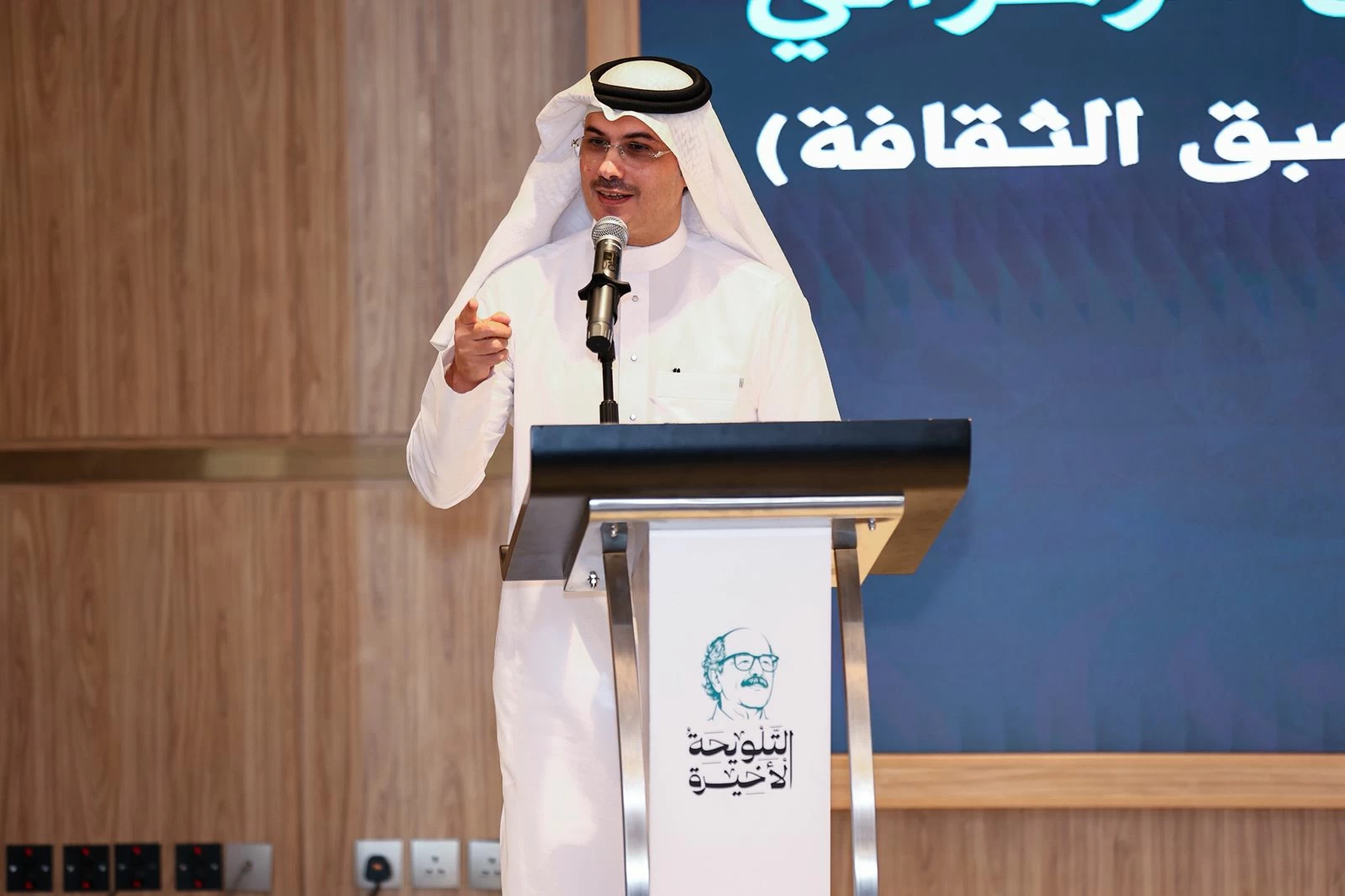
جاء إعلان الناقد الأدبي الدكتور عادل خميس عن إطلاق «جائزة سعيد السريحي السنوية للدراسات الأدبية والثقافية» ليجسد تصورًا ثقافيًا يتعامل مع الإرث الفكري بوصفه فعلًا ممتدًا، لا ذكرى عابرة تُستعاد في مناسبات التأبين. فحديث الدكتور عادل خميس – وهو القريب جدًا من الفقيد الراحل- خلال الأمسية التي احتفت بسيرة الدكتور سعيد السريحي انطلق من فكرة واضحة مفادها أن الأثر الذي تركه «لا ينبغي أن يبقى في حدود الذكرى»، بل يجب أن يتحول إلى مشاريع ثقافية ملموسة تحفظ حضوره داخل المجال المعرفي.
هذه الرؤية منحت الجائزة معناها الأعمق؛ إذ لم تُطرح باعتبارها تكريمًا رمزيًا فقط، بل بوصفها امتدادًا طبيعيًا لفكر ناقد ظل منشغلًا بالثقافة كأسئلة مفتوحة، وبالنقد كأداة لفهم التحولات الفكرية والاجتماعية والإنسانية. لذلك جاء حديث خميس عن السريحي بوصفه «عبقرية لا يجود بها الزمان كثيرًا» متصلًا بطبيعة أثره النقدي، لا بمجرد الاحتفاء باسمه.
كما حملت تصريحات خميس إدراكًا واضحًا لطريقة بقاء المفكرين داخل الوعي الثقافي، حين أشار إلى أن الأسماء الكبرى لا يخلدها منجزها وحده، بل أيضًا من يواصلون الإيمان بأفكارها ورسالتها من بعدهم. وهنا تتجاوز الجائزة حدود الرثاء الثقافي إلى إعادة إدخال اسم سعيد السريحي في دورة المعرفة نفسها؛ عبر الدراسات والبحوث والنقاشات التي تستلهم أسئلته النقدية وروحه الفكرية.
وتفتح الجائزة، بما تحمله من تخصّص في الدراسات الأدبية والثقافية، مساحة جديدة أمام الباحثين والنقاد للاشتغال على الأسئلة النقدية العميقة، بعيدًا عن الطابع الاحتفائي أو القراءات السريعة. كما تمنح المشهد النقدي السعودي فرصة لإعادة تنشيط الحضور البحثي والمعرفي، خصوصًا في ظل الحاجة إلى مشاريع تُعيد الاعتبار للنقد بوصفه عنصرًا أساسيًا في تطور الثقافة لا هامشًا تابعًا لها.
ويمنح ارتباط الجائزة باسم سعيد السريحي ثقلًا رمزيًا ومعرفيًا في آنٍ واحد، باعتباره أحد الأسماء التي أسهمت في نقل النقد السعودي إلى مساحات أكثر انفتاحًا على الفلسفة والأسئلة الاجتماعية وتحولات الخطاب الثقافي. لذلك لا تقتصر قيمة الجائزة على الاحتفاء باسم ناقد مؤثر، بل تمتد إلى ترسيخ فكرة أن الثقافة الحية تحفظ رموزها عبر إنتاج المعرفة واستمرار الحوار حول أفكارهم، لا عبر الاكتفاء باستعادة سيرتهم.
Dr. Adel Khamis, the literary critic, announced the launch of the “Annual Saeed Al-Surayhi Prize for Literary and Cultural Studies,” embodying a cultural vision that treats intellectual heritage as an ongoing act, not just a fleeting memory to be recalled on memorial occasions. Dr. Khamis’s remarks—being very close to the late Saeed Al-Surayhi—during the evening celebrating Al-Surayhi’s legacy stemmed from a clear idea that the impact he left “should not remain confined to memory,” but must transform into tangible cultural projects that preserve his presence within the field of knowledge.
This vision gave the prize its deeper meaning; it was not presented merely as a symbolic honor, but as a natural extension of the thought of a critic who remained engaged with culture as open questions, and with criticism as a tool for understanding intellectual, social, and human transformations. Therefore, Khamis’s description of Al-Surayhi as a “genius that time does not often bestow” is connected to the nature of his critical impact, not just to the celebration of his name.
Khamis’s statements also carried a clear understanding of how thinkers remain within cultural consciousness, as he pointed out that great names are not immortalized solely by their achievements, but also by those who continue to believe in their ideas and messages after them. Here, the prize transcends the limits of cultural mourning to reintroduce Saeed Al-Surayhi’s name into the very cycle of knowledge; through studies, research, and discussions that draw inspiration from his critical questions and intellectual spirit.
The prize, with its specialization in literary and cultural studies, opens a new space for researchers and critics to engage with profound critical questions, away from celebratory tones or quick readings. It also gives the Saudi critical scene an opportunity to reactivate research and knowledge presence, especially in light of the need for projects that restore the significance of criticism as an essential element in the development of culture, rather than a mere marginal aspect.
The association of the prize with the name of Saeed Al-Surayhi lends it both symbolic and intellectual weight simultaneously, as he is one of the figures who contributed to moving Saudi criticism into more open spaces regarding philosophy, social questions, and transformations in cultural discourse. Therefore, the value of the prize is not limited to honoring the name of an influential critic, but extends to reinforcing the idea that living culture preserves its symbols through the production of knowledge and the continuation of dialogue about their ideas, rather than merely resting on the recollection of their biographies.