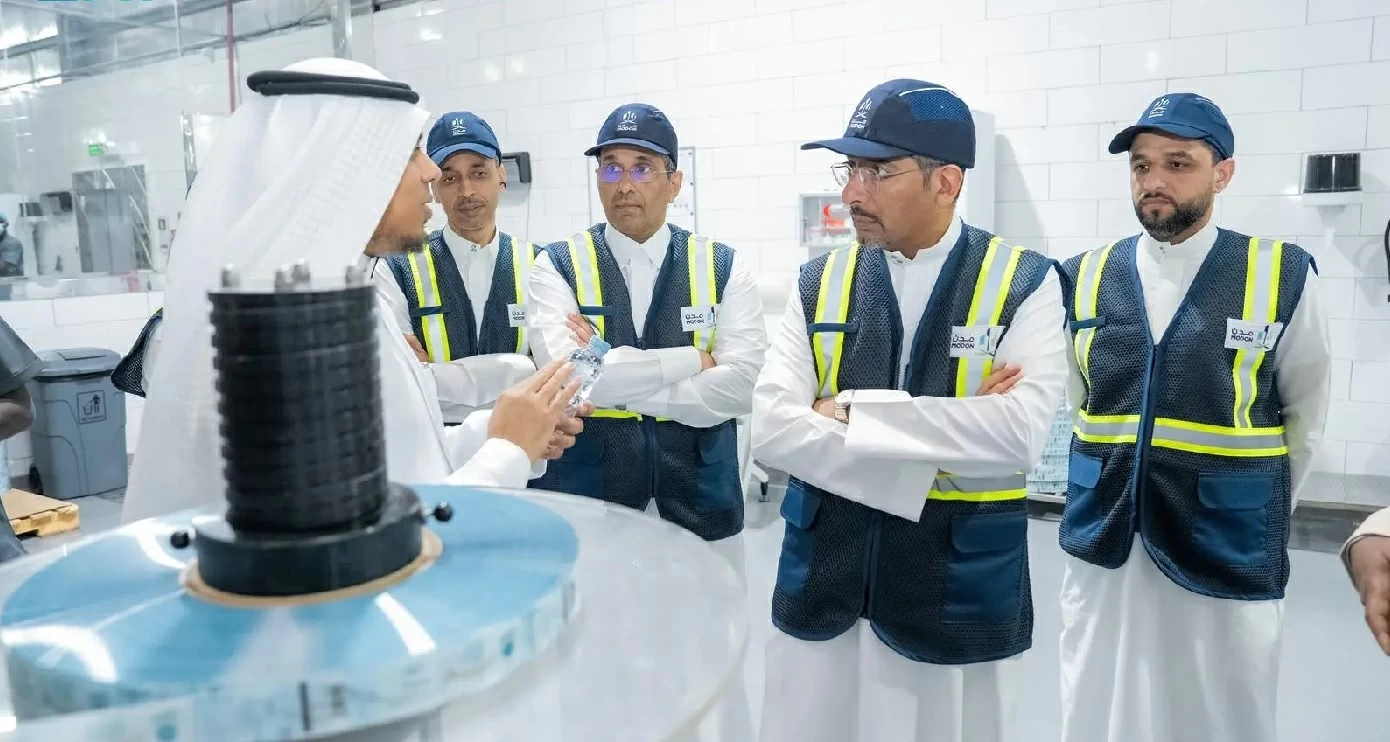
زار وزير الصناعة والثروة المعدنية، بندر بن إبراهيم الخريّف، اليوم، عددًا من المنشآت والمرافق الصناعية واللوجستية في المدينتين الصناعيتين الأولى والثانية بمكة المكرمة؛ للتحقق من كفاءة خطوط إنتاجها وجاهزيتها التشغيلية لمواكبة متطلبات موسم حج 1447هـ، في إطار الدور الحيوي الذي تؤديه الصناعة الوطنية لخدمة ضيوف الرحمن، وضمان توفير احتياجاتهم من المنتجات الغذائية والسلع الضرورية بجودة وموثوقية عالية.
وشملت الجولة الميدانية للخريف والتي رافقه خلالها الرئيس التنفيذي للهيئة السعودية للمدن الصناعية ومناطق التقنية «مدن» المهندس ماجد بن رافد العرقوبي؛ زيارةً لمرافق «مصنع وقف محمد خوجة كوجك محمد الأزبكي» في المدينة الصناعية الأولى، والذي يعد نموذجًا رائدًا لمساهمة القطاع غير الربحي في التنمية الصناعية؛ حيث اطلع على عمليات إنتاج وتعبئة المياه النقية في المصنع الذي تتجاوز طاقته السنوية أكثر من (35) مليون عبوة، ويعد المصنع أحد الأصول الحيوية التابعة للوقف الذي (تأسس عام 1163هـ)، ويؤدي دورًا بارزًا في تعزيز وفرة الإمدادات من المياه لخدمة معتمري وحجاج بيت الله.
وفي المدينة الصناعية الثانية بمكة المكرمة، وقف الخريف على خطوط الإنتاج في شركة «مناف الغذاء الصناعية» المقامة على مساحة (50) ألف متر مربع، والتي تنتج ما يفوق (20) مليون وجبة جاهزة ومبتكرة سنويًا، واطَّلع على الحلول التقنية المتبعة في إنتاج الوجبات سريعة التحضير والتي ترفع من كفاءة الإطعام والتموين خلال موسم الحج.
كما شملت الجولة تفقّد مشروع شركة «السنبلة الراقية» المخصص للخدمات اللوجستية ومواقف الشاحنات النموذجية.
وفي ذات السياق، زار الخريف المباني الإدارية التابعة للهيئة السعودية للمدن الصناعية ومناطق التقنية «مدن» في المدينة الصناعية الأولى بمكة المكرمة، حيث اطّلع على منظومة الخدمات اللوجستية والبنية التحتية والممكنات الرقمية التي توفرها «مدن» للمستثمرين، وتُعد المدينة من أهم المدن الصناعية المحورية الداعمة للقطاعات المرتبطة بخدمة ضيوف الرحمن، كما تُعدّ المدينة الصناعية الثانية التي شملتها زيارة الخريفّ؛ واجهةً صناعيةً ولوجستيةً وتمتد على مساحة تتجاوز (4.5) مليون متر مربع، محتضنةً أكثر من (85) عقدًا صناعيًا واستثماريًا، مع تموضع إستراتيجي، على مقربة من محطة القطار والمشاعر المقدسة.
يُشار إلى نسبة الإشغال في المدن الصناعية بمنطقة مكة المكرمة بلغت نحو 95%، وتعد من أعلى نسب الإشغال في المملكة، ما يعد مؤشرًا واضحًا على ثقة المستثمرين في هذه المنطقة، وقد خصصت (مدن) مناطق موسمية مؤقتة تتجاوز مساحتها (700) ألف متر مربع لمواكبة متطلبات موسم الحج، وتشتمل تلك المناطق على تجهيزات للمشاعر، ومواقف لحجاج البر، ووحدات للإمداد الغذائي المركزي، ومستودعات للتموين.
وتحتضن المدن الصناعية بمنطقة مكة المكرمة (640) مصنعًا غذائيًا، تُصنع منتجاتها بأيدٍ سعودية وكفاءات وطنية، وتنتج ما يلبّي احتياجات حجاج بيت الله، ويمتد إنتاجها ليصل إلى الأسواق الإقليمية والدولية.
وتأتي المتابعة المستمرة من وزير الصناعة والثروة المعدنية لجاهزية القطاع الصناعي في منطقة مكة المكرمة لموسم الحج؛ إيمانًا من منظومة الصناعة بأن خدمة ضيوف الرحمن مسؤولية وطنية تتكامل فيها الجهود بين كافة الجهات في القطاعين الحكومي والخاص، حيث سعت المنظومة لتهيئة البنية الصناعية اللازمة لإنجاح تلك الجهود، كما تحوّل القطاع الصناعي من مزوّد موسمي إلى منظومة صناعية متكاملة تخدم حجاج وزوّار بيت الله الحرام على مدى العام.
The Minister of Industry and Mineral Resources, Bandar bin Ibrahim Al-Khorayef, today visited several industrial and logistical facilities in the first and second industrial cities in Makkah; to verify the efficiency of their production lines and their operational readiness to meet the requirements of the Hajj season 1447 AH, as part of the vital role that the national industry plays in serving the guests of Allah, and ensuring the provision of their needs for food products and essential goods with high quality and reliability.
The field tour included Al-Khorayef, accompanied by the CEO of the Saudi Authority for Industrial Cities and Technology Zones “MODON,” Engineer Majid bin Rafeed Al-Arqoubi; visiting the facilities of the “Waqf Muhammad Khawja Koojik Muhammad Al-Azbaki” factory in the first industrial city, which is a pioneering model for the contribution of the non-profit sector to industrial development; where he was briefed on the production and packaging operations of pure water in the factory, which has an annual capacity exceeding (35) million bottles. The factory is one of the vital assets of the endowment that was established in 1163 AH, and it plays a prominent role in enhancing the supply of water to serve the Umrah performers and pilgrims of the Sacred House.
In the second industrial city in Makkah, Al-Khorayef inspected the production lines at “Manaf Al-Ghitha Industrial Company,” which is built on an area of (50) thousand square meters, producing more than (20) million ready and innovative meals annually, and he was briefed on the technical solutions used in the production of ready-to-eat meals that enhance the efficiency of catering and provisioning during the Hajj season.
The tour also included inspecting the project of “Al-Sunbula Al-Raqiya” Company, dedicated to logistics services and model truck parking.
In the same context, Al-Khorayef visited the administrative buildings of the Saudi Authority for Industrial Cities and Technology Zones “MODON” in the first industrial city in Makkah, where he was briefed on the logistics services system, infrastructure, and digital enablers provided by “MODON” to investors. The city is considered one of the most important pivotal industrial cities supporting the sectors related to serving the guests of Allah. The second industrial city included in Al-Khorayef’s visit is an industrial and logistical front extending over an area exceeding (4.5) million square meters, hosting more than (85) industrial and investment contracts, with a strategic location close to the train station and the holy sites.
It is noted that the occupancy rate in the industrial cities in the Makkah region reached about 95%, which is one of the highest occupancy rates in the Kingdom, indicating clear confidence from investors in this area. “MODON” has allocated temporary seasonal areas exceeding (700) thousand square meters to meet the requirements of the Hajj season, which include facilities for the holy sites, parking for land pilgrims, units for central food supply, and storage for provisioning.
The industrial cities in the Makkah region host (640) food factories, producing their products with Saudi hands and national competencies, meeting the needs of the pilgrims of the Sacred House, and extending their production to regional and international markets.
The continuous follow-up by the Minister of Industry and Mineral Resources regarding the readiness of the industrial sector in the Makkah region for the Hajj season reflects the belief of the industrial system that serving the guests of Allah is a national responsibility that integrates efforts between all entities in the public and private sectors. The system has sought to prepare the necessary industrial infrastructure to ensure the success of these efforts, transforming the industrial sector from a seasonal provider to an integrated industrial system serving the pilgrims and visitors of the Sacred House throughout the year.