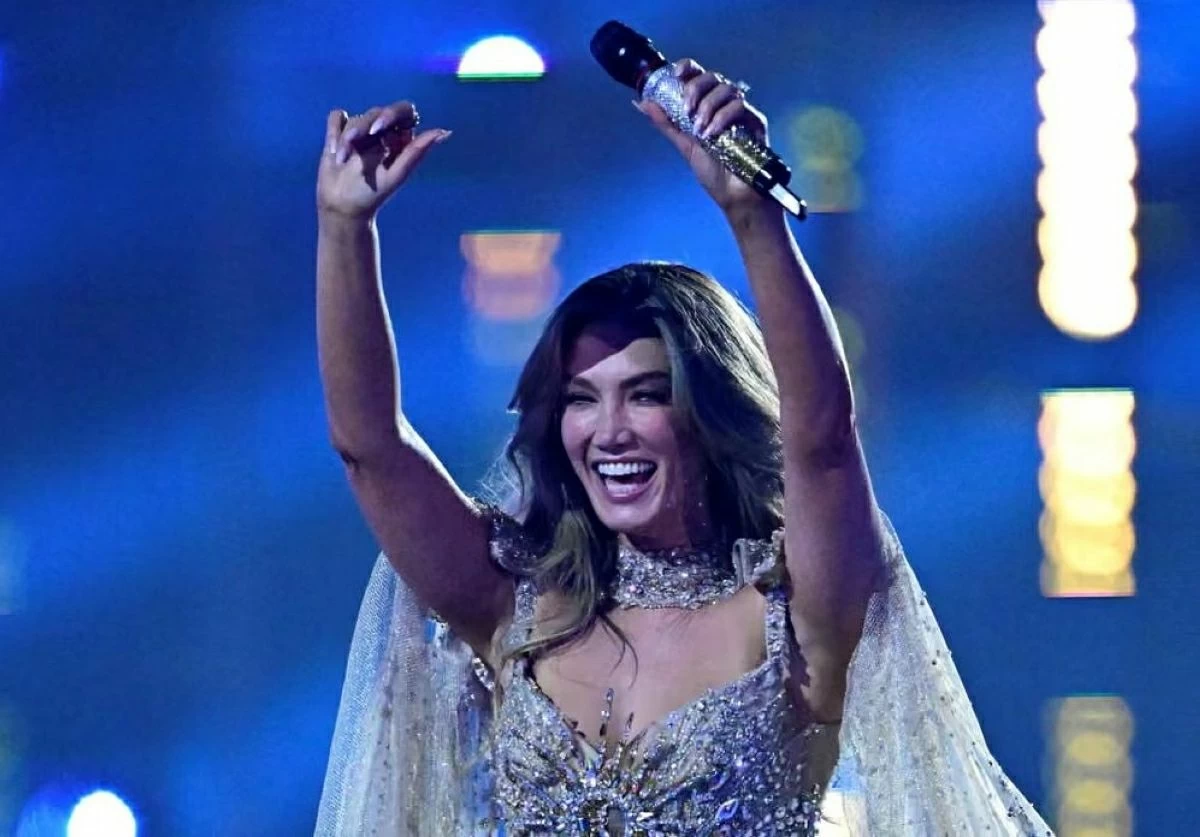
تأهلت أستراليا ورومانيا والدنمارك إلى النهائي الكبير لمسابقة «يوروفيجن 2026»، عقب ختام نصف النهائي الثاني الذي أُقيم مساء الخميس في العاصمة النمساوية فيينا، وسط عروض موسيقية واستعراضية حافلة بالإثارة والدراما.
وبحسب صحيفة «سعودي غازيت»، حجزت إلى جانبها كل من ألبانيا وبلغاريا وقبرص والتشيك ومالطا والنرويج وأوكرانيا مقاعدها في النهائي المرتقب السبت المقبل على مسرح «فينر شتاتهايله»، فيما ودّعت أرمينيا وأذربيجان ولاتفيا ولوكسمبورغ وسويسرا المنافسات بخروج مفاجئ.
دلتا جودريم تخطف الأنظار
وشهدت الأمسية عودة قوية للمغنية الأسترالية دلتا جودريم، التي أصبحت أول فنانة أسترالية تتأهل إلى النهائي منذ عام 2023، بعد تقديمها أداءً وصفته صحيفة «الغارديان» البريطانية بأنه «واثق ومبهر».
وقدمت جودريم أغنيتها «إكليبس» وسط عرض بصري ضخم تزيّن بأكثر من 7 آلاف قطعة كريستال من «سواروفسكي»، قبل أن تختتم فقرتها بصعودها فوق منصة خرجت من داخل البيانو، في مشهد امتزجت فيه الرياح والنيران والصوت القوي للمغنية البالغة من العمر 41 عاماً.
وأكدت جودريم قبل مشاركتها أن الوقوف على مسرح «يوروفيجن» يمثل حلماً كبيراً بالنسبة لها، قائلة: «أحمل أستراليا معي في كل نغمة وكل لحظة».
رومانيا تثير الجدل.. والدنمارك تشعل المسرح
وأثارت رومانيا جدلاً واسعاً بأغنية الروك «تشوك مي»، التي قدمتها المغنية ألكسندرا كابيتانيسكو، طالبة الماجستير في كلية الفيزياء ببوخارست، بعدما واجهت الأغنية انتقادات بسبب كلماتها.
لكن المغنية الرومانية دافعت عن العمل، موضحة أن الأغنية تعبّر عن «الهشاشة والمشاعر المؤلمة» بعيداً عن المعاني الرومانسية التقليدية.
في المقابل، نجحت الدنمارك في تحويل القاعة إلى أجواء النوادي الليلية عبر أغنية «فور في غار هييم»، التي قدمها سورين توربيغارد لوند، في واحدة من أكثر الفقرات تفاعلاً مع الجمهور.
عروض متنوعة ومشاهد استعراضية
وشهد الحفل عروضاً لافتة من عدة دول، إذ ظهرت السويسرية فيرونيكا فوسارو وسط خيوط حمراء متشابكة، بينما قدّم ممثل قبرص أنتيغوني أغنية «جالا» بطابع شرقي، في حين خطفت أوكرانيا الأنظار بطبقات صوتية مرتفعة وقوية.
كما قدمت البلغارية دارا عرضاً راقصاً صاخباً، بينما غنّى التشيكي دانيال زيزكا داخل «قاعة مرايا» متحركة، فيما ظهر الأرميني سيمون عالقاً داخل مصعد مرتدياً سترة مغطاة بأوراق صفراء لاصقة خلال أدائه أغنية «بالوما رومبا».
ومن اللحظات الهادئة في الأمسية، أداء الألباني أليس لأغنية «نان» التي تتحدث عن الاشتياق للأم، بمشاركة الممثلة الألبانية المخضرمة رايموندا بولكو.
مقاطعات بسبب إسرائيل وغزة
وبحسب التقرير، تشهد نسخة هذا العام مشاركة 35 دولة فقط، وهو أدنى عدد مشاركات منذ عام 2003، بعدما قاطعت كل من أيرلندا وآيسلندا وإسبانيا وسلوفينيا وهولندا المسابقة احتجاجاً على مشاركة إسرائيل والحرب الإسرائيلية على غزة.
ويُعد «يوروفيجن» أكبر حدث موسيقي يُبث مباشرة على مستوى العالم، إذ يتابعه أكثر من 150 مليون مشاهد سنوياً، فيما تحتفل نسخة 2026 بالذكرى السبعين لانطلاق المسابقة الشهيرة.
Australia, Romania, and Denmark have qualified for the grand final of the “Eurovision 2026” competition, following the conclusion of the second semi-final held on Thursday evening in the Austrian capital, Vienna, amidst musical and dramatic performances filled with excitement.
According to the “Saudi Gazette,” alongside them, Albania, Bulgaria, Cyprus, the Czech Republic, Malta, Norway, and Ukraine secured their spots in the much-anticipated final next Saturday at the “Wiener Stadthalle,” while Armenia, Azerbaijan, Latvia, Luxembourg, and Switzerland were unexpectedly eliminated from the competition.
Delta Goodrem steals the spotlight
The evening witnessed a strong return of Australian singer Delta Goodrem, who became the first Australian artist to qualify for the final since 2023, after delivering a performance that the British newspaper “The Guardian” described as “confident and stunning.”
Goodrem performed her song “Eclipse” amidst a massive visual display adorned with over 7,000 Swarovski crystal pieces, before concluding her segment by rising above a platform that emerged from inside the piano, in a scene where winds, flames, and the powerful voice of the 41-year-old singer blended together.
Goodrem confirmed before her participation that standing on the “Eurovision” stage represents a big dream for her, saying: “I carry Australia with me in every note and every moment.”
Romania stirs controversy… and Denmark ignites the stage
Romania sparked widespread controversy with the rock song “Chuck Me,” performed by singer Alexandra Capitanescu, a master’s student at the Faculty of Physics in Bucharest, after the song faced criticism due to its lyrics.
However, the Romanian singer defended the work, clarifying that the song expresses “fragility and painful emotions” away from traditional romantic meanings.
In contrast, Denmark succeeded in transforming the hall into a nightclub atmosphere with the song “For Vi Gar Heim,” performed by Søren Turbækgaard Lund, in one of the most interactive segments with the audience.
Diverse performances and spectacular scenes
The event featured striking performances from several countries, as the Swiss Veronica Fusaro appeared amidst intertwined red threads, while the Cypriot representative Antigoni performed the song “Gala” with an Eastern flair, and Ukraine captured attention with high and powerful vocal layers.
The Bulgarian Dara presented a lively dance performance, while the Czech Daniel Zizka sang inside a moving “Mirror Hall,” and the Armenian Simon appeared stuck in an elevator wearing a jacket covered in yellow sticky notes during his performance of the song “Paloma Rumba.”
Among the quiet moments of the evening was the performance of Albanian Elhaida Dani for the song “Nan,” which talks about longing for a mother, featuring veteran Albanian actress Raimonda Bulku.
Boycotts over Israel and Gaza
According to the report, this year’s edition sees the participation of only 35 countries, the lowest number of participants since 2003, after Ireland, Iceland, Spain, Slovenia, and the Netherlands boycotted the competition in protest against Israel’s participation and the Israeli war on Gaza.
Eurovision is considered the largest music event broadcast live worldwide, with over 150 million viewers annually, while the 2026 edition celebrates the seventieth anniversary of the famous competition.