

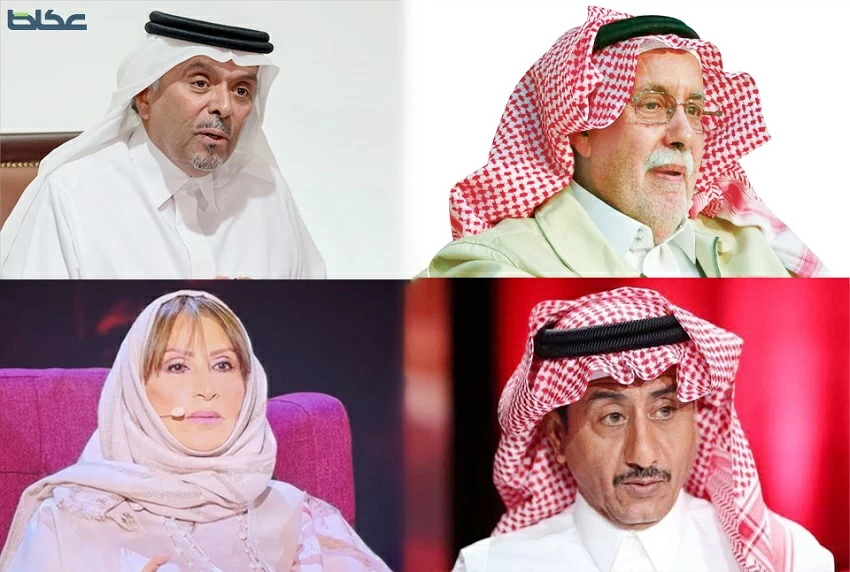
انقسمت آراء عدد من المثقفين والأدباء والفنانين حول لغة تدريس الفنون في الجامعات، ودار سجال بينهم وثقته مواقع التواصل الاجتماعي، فمنهم من يرى ضرورة التمسك باللغة العربية كوعاء حاضن للجانب الفني والإبداع الثقافي الذي يفقد الكثير من معانيه العربية الأصيلة بمجرد ترجمته إلى لغة أخرى غير المكتوب بها، فيما يعتبر آخرون أن تدريس الفنون باللغة الإنجليزية سيساهم في منحها بعداً عالمياً يتخطى الحدود ويدعم تخريج طلاب منفتحين فكرياً على العالم ويستلهمون الهوية والثقافة العربية بلغات أخرى.
فوبيا الهوية
وفي هذا السياق علّق الفنان ناصر القصبي على الجدل المثار حول لغة تدريس الفنون في الجامعات بين المؤيدين للحفاظ على العربية والداعين إلى الانفتاح على اللغات الأجنبية، وقال في تغريدة نشرها عبر حسابه على إكس: «السجال حول لغة الفنون بين من نسميهم الحرس القديم وفوبيا الهوية، والآخر المنفتح بلا حدود، سجال ليس جديداً، وشخصياً لا أرى مانعاً في استخدام أي لغة لتدريس الفنون».
وتابع: «جامعة الملك فهد للبترول مثال حي، وما الفرق بين دراسة الطب مثلاً والفن. المدافعون عن العربية هنا يذكرونني بالمتشددين في الستينات والسبعينات وموقفهم من ابتعاث طلابنا للدراسة في الغرب، ونفس العبارة تتكرر: سيرجع ممسوخ الهوية».
وأضاف: «خريج جامعة الرياض للفنون مستقبلاً، يا سادة يا كرام، لن ينسلخ من جلده لأنه درس بالإنجليزية كلمتين عن آلية صنع منتج فني، ولن يكفر بثقافته الأصلية ولا جذوره الضاربة في عمق هذه الجزيرة العربية، لأنه درس مادة أو مادتين عن فلسفة الفن (بالإنجليزية طبعاً)، ولن ينكر موروثه لأنه نبش في الموروث الإيطالي أو اليوناني، ولن يتعالى على قبيلته، ولن يسخر من أدبه الشعبي، ولن يطمس تاريخه، بل سيكون أكثر التصاقاً بأرضه وأكثر قدرة على التعبير عن هويته، وأكثر انفتاحاً على العالم كله».
واختتم قائلاً: «مستقبلاً، وأراه قريباً، سيصنع خريج هذه الجامعة عملًا فنياً عظيماً سيحكي عنه العالم، كما فعل والده خريج السبعينات، سيحكي عنه العالم.. كل العالم».
تشويه الإبداع
في المقابل يرى الدكتور عبدالله الجديع أن تدريس الفنون بالإنجليزية يتجاوز الهزيمة الثقافية ليمثل تشويهاً معرفياً لبنية الإبداع، إذ يجبر الطالب على قراءة موروثه الشعبي بعيون غربية.
وتابع في تغريدته: «كيف للمخيلة مثلاً أن تستلهم أبعاد الخط العربي أو وهج الشعر وهي محاصرة بمصطلحات أجنبية؟ هذا الاغتراب يفصل الفن عن جذوره الأدبية واللغوية، ما قد ينتج فناً هجيناً يفتقد للعمق الثقافي».
ثراء معرفي
من جانبه قال الناقد الأكاديمي الدكتور عبدالله الغذامي عبر حسابه على «إكس»: «حول جامعة الرياض للفنون، تواصل معي فريق المقررات قبل أسابيع وطلبوا مني تحكيم مقرر عن الموروث السعودي، والمقرر بمفرداته ومراجعه وخطته باللغة العربية، وقالت لي المشرفة إن المقررات بالعربي وبعضها بالإنجليزي».
وأضاف: «لا حرج عندي لو كان بعضها بالإنجليزي، فهذا ثراء معرفي لا شك فيه».
كارثة ووضع غريب
ولا يتفق الدكتور سعد البازعي مع تدريس جامعة الفنون الطلاب السعوديين باللغة الإنجليزية، واصفاً ذلك بالكارثة.
وأضاف: «يستغرب البعض كيف يمكن كتابة رسالة ماجستير أو دكتوراه حول الأدب العربي بل وحول اللغة العربية نفسها بلغة غير العربية، لكن هذا ما تفرضه الجامعات الغربية، يتعلمون شيئاً من العربية لكنهم يكتبون أوراقهم البحثية ورسائلهم بالإنجليزية أو الفرنسية أو الألمانية تبعاً للبلاد التي يدرسون بها، هو وضع غريب لكنه واقع. تفسيره في ظني هو وفرة المادة حول الأدب العربي ولغته باللغات الأوروبية، لكني ألمح أيضاً موقفاً متعالياً يجعل تلك الظاهرة ممكنة».
واستطرد قائلاً: “حين بدأت التدريس في قسم اللغة الإنجليزية في جامعة الملك سعود أواسط الثمانينات قبلت أن أدرس الأدب الإنجليزي والأمريكي بالإنجليزية لأنها سياسة القسم، لكني لم أر مبرراً لكتابة رسائل الماجستير ولاحقاً الدكتوراه بالإنجليزية، وأصررت عند مناقشة أول رسالة ماجستير أناقشها أن أتحدث بالعربية ما أثار استغراب الجميع.
كنت أقول لهم في بريطانيا يدرّسون أدبنا بالإنجليزية فلم لا ندرس أدبهم بالعربية؟ وكانت تلك صدمة للبعض أو من اللامفكر فيه أو حتى ما يمكن تخيله”.
وخلص البازعي للقول: «في ما بعد اكتشفت أن ذلك ما سعى إليه الكاتب المفكر الكيني نغوغي وا ثيونغو في كينيا ودافع عنه في كتابه الشهير: إزالة الاستعمار عن العقل – Decolonising the Mind».
عالمية اللغة
وعززت الدكتورة فوزية أبوخالد ما ذهب إليه البازعي قائلة: «رأي يمثلني ويمثل كل مواطن ومثقف غيور ليس على وطنه وهويته الثقافية التي رمزها اللغة العربية بل وأيضاً موقف يعيد النظر في الغيرة على المفهوم العدلي لعالمية اللغة».
وتابعت: «لكن وهذا ليس رأياً استدراكياً ولكن يعبر عن كارثة قد تقتضي توسيع كارثة اللحظة / أي التعليم الجامعي باللغة الإنجليزية، إذ إننا بالطريقة التي يسير عليها التعليم العام اليوم في خطه الدولي International schooling لن نجد غداً طلاباً للجامعة يفقهون التعلم باللغة العربية أو يستطيعونه، وكأن المضمر أن كل الطلاب بعد التخرج من الثانوية سيتوجهون للتعلم في جامعات أجنبية».
الاستفادة من المراجع
ولم يعترض الدكتور صالح زياد على الاستفادة من المراجع والمصطلحات الإنجليزية في تعليم الفنون، فهذا جزء طبيعي من أي حقل معرفي حديث، مستدركاً: «لكن هناك فرقاً بين تعلّم الجهاز المفاهيمي العالمي وتحويل لغة التكوين الفني نفسه إلى الإنجليزية في جامعة سعودية تُعنى بالسينما والموسيقى العربيتين».
وتابع: «ليست الفنون معادلات تقنية خالصة، بل خبرة متصلة باللغة والذاكرة والخيال والوجدان الاجتماعي، وتبيئة المعرفة الفنية بالعربية ليست ترفاً ثقافياً، بل ضرورة معرفية وإبداعية».
وأضاف: «لم يكن ما منح أعمالاً مثل «طاش ما طاش» و«درب الزلق» أثرها العميق التكوين بالإنجليزية، بل قدرتها على تمثّل المجتمع والتعبير عن حساسيته بلغته وتجربته الحية»، مشيراً إلى أن العالمية الحقيقية لا تبدأ بالتخلي عن اللغة، بل بالقدرة على تحويل التجربة المحلية إلى أثر إنساني قابل للفهم والتقدير خارج حدوده، فالفن لا يصير عالمياً لأنه يُدرَّس بالإنجليزية، بل لأنه يملك ما يقوله للعالم.
مبتعثون في جامعاتنا
من جانبه قال الشاعر حسن القرني: «في ما يتعلق بعلم الموسيقى؛ الموسيقى العربية أوسع من الغربية؛ وأكثر تعقيداً؛ وقد صُنف فيها قديماً جداً باصطلاحات عربية خالصة؛ وهناك الألوان العربية على تشعبها وغير العربية؛ كالفارسية والأمازيغية والحبشية على سبيل المثال؛ التي أثرت بشكل مباشر وغير مباشر؛ وكل ذلك باصطلاح وتواضع عربي ومعرّب؛ وهناك ما يتقاطع مع الموسيقى الغربية؛ وهناك أيضاً ما هو خصيصة؛ وما هو خاص يؤخذ كما اصطلح على تسميته».
وأضاف: «أظن أن المشكلة ليست في ما يتعلق بأكدمة الفنون؛ بل في العقل العربي الذي لديه كل هذا؛ ولكنه يطرحه أرضاً ليستعير لساناً غير لسانه؛ وكأننا مبتعثون في جامعاتنا ومعاهدنا».
The opinions of several intellectuals, writers, and artists are divided regarding the language of teaching arts in universities, and a debate has emerged among them, fueled by social media. Some believe it is essential to adhere to the Arabic language as a nurturing vessel for the artistic and cultural creativity that loses much of its original Arabic meanings once translated into another language. Others consider that teaching arts in English will contribute to giving it a global dimension that transcends borders and supports the graduation of students who are open-minded towards the world and draw inspiration from Arab identity and culture in other languages.
Identity Phobia
In this context, artist Nasser Al-Qasabi commented on the ongoing debate about the language of teaching arts in universities between those advocating for the preservation of Arabic and those calling for openness to foreign languages. He stated in a tweet published on his account on X: “The debate about the language of arts between what we call the old guard and identity phobia, and the other who is open without limits, is not new. Personally, I see no objection to using any language to teach the arts.”
He continued: “King Fahd University of Petroleum and Minerals is a living example. What is the difference between studying medicine, for example, and art? Those defending Arabic here remind me of the hardliners in the sixties and seventies and their stance on sending our students to study in the West, and the same phrase is repeated: they will return as identity-less beings.”
He added: “A graduate of the Riyadh University of Arts in the future, dear sirs, will not shed his skin because he studied in English two words about the mechanism of creating an artistic product, nor will he renounce his original culture or his roots deeply embedded in this Arabian Peninsula because he studied one or two subjects about the philosophy of art (in English, of course), nor will he deny his heritage because he delved into the Italian or Greek heritage, nor will he look down on his tribe, nor will he mock his folk literature, nor will he erase his history. Rather, he will be more attached to his land, more capable of expressing his identity, and more open to the whole world.”
He concluded by saying: “In the future, and I see it as near, a graduate of this university will create a great artistic work that the world will talk about, just as his father, a graduate of the seventies, did. The world will talk about it… all the world.”
Distortion of Creativity
On the other hand, Dr. Abdullah Al-Jedai believes that teaching arts in English goes beyond cultural defeat to represent a cognitive distortion of the structure of creativity, as it forces the student to read their popular heritage through Western eyes.
He continued in his tweet: “How can the imagination, for example, draw inspiration from the dimensions of Arabic calligraphy or the glow of poetry while being surrounded by foreign terms? This alienation separates art from its literary and linguistic roots, which may result in a hybrid art that lacks cultural depth.”
Cognitive Wealth
For his part, academic critic Dr. Abdullah Al-Ghadhami stated on his account on “X”: “Regarding the Riyadh University of Arts, the curriculum team contacted me a few weeks ago and asked me to evaluate a course on Saudi heritage, and the course with its vocabulary, references, and plan is in Arabic. The supervisor told me that some courses are in Arabic and some in English.”
He added: “I have no objection if some are in English, as this is undoubtedly cognitive wealth.”
Disaster and Strange Situation
Dr. Saad Al-Bazai does not agree with the teaching of Saudi students at the University of Arts in English, describing it as a disaster.
He added: “Some wonder how it is possible to write a master’s or doctoral thesis on Arabic literature or even on the Arabic language itself in a language other than Arabic, but this is what Western universities impose. They learn something of Arabic, but they write their research papers and theses in English, French, or German depending on the countries they study in. It is a strange situation, but it is a reality. I believe the explanation lies in the abundance of material about Arabic literature and its language in European languages, but I also sense a condescending attitude that makes this phenomenon possible.”
He continued: “When I started teaching in the English Department at King Saud University in the mid-eighties, I accepted to teach English and American literature in English because it was the department’s policy, but I saw no justification for writing master’s theses and later doctoral theses in English. I insisted, when discussing the first master’s thesis I was examining, to speak in Arabic, which surprised everyone.
I would tell them that in Britain they teach our literature in English, so why don’t we teach theirs in Arabic? That was a shock to some or something that was unthinkable or even unimaginable.”
Al-Bazai concluded by saying: “Later, I discovered that this is what the Kenyan writer and thinker Ngũgĩ wa Thiong’o sought in Kenya and advocated in his famous book: Decolonising the Mind.”
Global Language
Dr. Fawzia Abulkhail reinforced what Al-Bazai mentioned, saying: “This opinion represents me and represents every citizen and cultured person who is not only protective of their homeland and cultural identity symbolized by the Arabic language but also a stance that reconsiders the jealousy over the just concept of the universality of language.”
She continued: “However, and this is not a retrospective opinion but expresses a disaster that may necessitate expanding the disaster of the moment / that is, university education in English, as the way general education is currently proceeding in its international schooling line, we will not find tomorrow students for the university who understand learning in Arabic or can do so, as if it is implied that all students after graduating from high school will head to learn in foreign universities.”
Utilizing References
Dr. Saleh Ziyad did not object to utilizing English references and terms in teaching the arts, as this is a natural part of any modern field of knowledge, adding: “But there is a difference between learning the global conceptual apparatus and transforming the language of artistic formation itself into English at a Saudi university concerned with Arab cinema and music.”
He continued: “The arts are not purely technical equations, but rather an experience connected to language, memory, imagination, and social sentiment. Localizing artistic knowledge in Arabic is not a cultural luxury, but a cognitive and creative necessity.”
He added: “What gave works like ‘Tash Ma Tash’ and ‘Darb Al-Zalak’ their profound impact was not being formed in English, but their ability to represent society and express its sensitivity in its language and lived experience,” pointing out that true universality does not begin with abandoning language, but with the ability to transform local experience into a human impact that can be understood and appreciated beyond its borders. Art does not become universal because it is taught in English, but because it has something to say to the world.
Scholarship Students in Our Universities
For his part, poet Hassan Al-Qarni said: “Regarding the science of music; Arabic music is broader than Western music; more complex; and has been classified in very ancient times using pure Arabic terms; and there are Arabic colors, despite their diversity, and non-Arabic ones; such as Persian, Amazigh, and Abyssinian, for example; which have influenced directly and indirectly; all of this with Arabic and Arabized terminology; and there are intersections with Western music; and there are also what is peculiar; and what is specific that is taken as it has been agreed upon to name it.”
He added: “I think the problem is not related to the arts themselves; but to the Arab mind that has all of this; yet it presents it on the ground to borrow a tongue other than its own; as if we are scholarship students in our own universities and institutes.”