



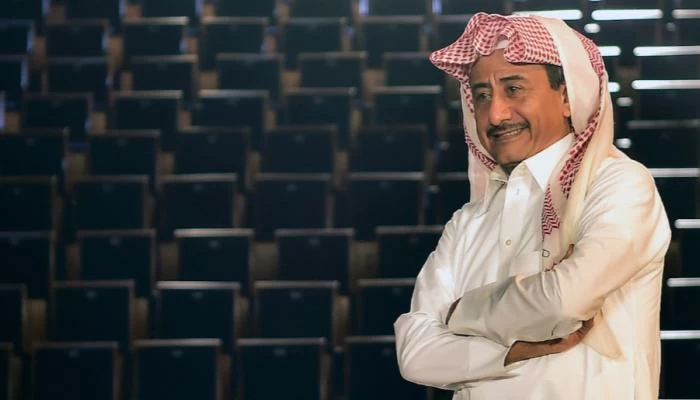
ارتبط اسم ناصر القصبي على مدار سنوات بالدراما السعودية والخليجية بوصفه أحد أبرز صناع التأثير الجماهيري، ليس فقط من خلال حضوره الكوميدي، بل عبر قدرته على تحويل الشاشة إلى مساحة للنقاش الاجتماعي والثقافي. لذلك، بدا غيابه النسبي عن الدراما التلفزيونية خلال المواسم الأخيرة لافتاً، خصوصاً لدى جمهور اعتاد رؤيته حاضراً كل عام تقريباً، سواء في أعمال جماهيرية أو مشاريع تحمل بعداً نقدياً واضحاً.
لكن في المقابل، كان القصبي حاضراً بقوة على خشبة المسرح، ضمن مرحلة تشهد فيها المملكة تحولاً كبيراً في صناعة الترفيه، وعودة متسارعة للمسرح الجماهيري كجزء من الحراك الثقافي والفني الجديد. وهنا يبرز السؤال: هل اختار ناصر القصبي المسرح بديلاً عن الدراما؟ أم أنه يشارك في إعادة تشكيل المشهد الفني وفق أولويات مختلفة؟
يصعب الحديث عن ناصر القصبي بوصفه مجرد ممثل كوميدي عابر، فهو أحد الأسماء التي صنعت ذاكرة التلفزيون الخليجي لعقود، بدءاً من «طاش ما طاش» الذي تحول إلى ظاهرة اجتماعية وثقافية، وصولاً إلى أعمال أكثر نضجاً حملت طابعاً نقدياً وسياسياً وإنسانياً، لذا فإن أي تراجع في حضوره الدرامي يبدو وكأنه غياب لجزء من الهوية التلفزيونية الخليجية نفسها.
غير أن قراءة المشهد من زاوية أخرى تكشف أن ما يحدث قد لا يكون «ابتعاداً» عن الدراما، بل انتقالاً واعياً نحو مساحة فنية مختلفة. فالمسرح اليوم لم يعد نشاطاً هامشياً أو موسمياً، بل أصبح جزءاً أساسياً من صناعة الترفيه السعودية الحديثة، مدعوماً بإنتاج ضخم وجمهور واسع وفعاليات تستقطب أسماء ثقيلة. وفي مثل هذا التحول، تبدو مشاركة نجم بحجم ناصر القصبي ضرورية لإعادة بناء الثقة بين الجمهور والمسرح المحلي.
المسرح يمنح الفنان أيضاً ما لا تمنحه الكاميرا دائماً؛ التفاعل المباشر، والاختبار الحي، ورد الفعل الفوري، وهي عناصر قد تبدو أكثر إغراء لفنان يملك تجربة طويلة ويبحث عن تحديات مختلفة بعد عقود من العمل التلفزيوني. كما أن طبيعة المرحلة الحالية قد تدفع بعض النجوم إلى المساهمة في تأسيس بنية فنية جديدة، بدل الاكتفاء بتكرار النجاحات القديمة.
ومع ذلك، لا يمكن تجاهل حقيقة أن غياب القصبي عن الشاشة ترك فراغاً واضحاً. فالجمهور لا يزال ينتظر منه أعمالاً تحمل العمق ذاته الذي اعتاد عليه، خصوصاً في ظل حاجة الدراما السعودية إلى أسماء تمتلك الخبرة والقدرة على صناعة أعمال تتجاوز الترفيه نحو التأثير الحقيقي.
ربما لا يعيش ناصر القصبي مرحلة انسحاب من الدراما، بل مرحلة إعادة تموضع فني. فالفنان الذي نجح في التلفزيون قادر على النجاح في المسرح، والعكس صحيح، لكن التحدي الحقيقي يكمن في تحقيق التوازن بين الاثنين، بحيث لا يخسر المسرح وهجه الجديد، ولا تخسر الدراما أحد أهم رموزها.
The name Nasser Al-Qasabi has been associated with Saudi and Gulf drama for years as one of the most prominent creators of mass influence, not only through his comedic presence but also through his ability to transform the screen into a space for social and cultural discussion. Therefore, his relative absence from television drama in recent seasons has been noticeable, especially among an audience accustomed to seeing him present almost every year, whether in popular works or projects with a clear critical dimension.
However, on the other hand, Al-Qasabi has been strongly present on stage, during a phase in which the Kingdom is witnessing a significant transformation in the entertainment industry, and a rapid return of popular theater as part of the new cultural and artistic movement. Here arises the question: Did Nasser Al-Qasabi choose theater as an alternative to drama? Or is he participating in reshaping the artistic scene according to different priorities?
It is difficult to talk about Nasser Al-Qasabi as just a passing comedic actor; he is one of the names that have shaped the memory of Gulf television for decades, starting from “Tash Ma Tash,” which became a social and cultural phenomenon, to more mature works that carried a critical, political, and humanitarian character. Therefore, any decline in his dramatic presence seems like the absence of a part of the Gulf television identity itself.
However, reading the scene from another angle reveals that what is happening may not be a “withdrawal” from drama, but rather a conscious transition to a different artistic space. Today, theater is no longer a marginal or seasonal activity; it has become an essential part of the modern Saudi entertainment industry, supported by massive production, a wide audience, and events that attract heavyweights. In such a transformation, the participation of a star like Nasser Al-Qasabi seems necessary to rebuild trust between the audience and local theater.
Theater also offers the artist what the camera does not always provide; direct interaction, live testing, and immediate feedback, elements that may seem more enticing for an artist with extensive experience seeking different challenges after decades of television work. Additionally, the nature of the current phase may push some stars to contribute to establishing a new artistic structure, rather than merely repeating past successes.
Nevertheless, one cannot ignore the fact that Al-Qasabi’s absence from the screen has left a clear void. The audience is still waiting for him to deliver works that carry the same depth they have come to expect, especially given the need for Saudi drama to have names that possess the experience and ability to create works that transcend mere entertainment towards real impact.
Perhaps Nasser Al-Qasabi is not experiencing a phase of withdrawal from drama, but rather a phase of artistic repositioning. An artist who has succeeded on television is capable of succeeding in theater, and vice versa, but the real challenge lies in achieving a balance between the two, so that theater does not lose its new luster, nor does drama lose one of its most important symbols.


