



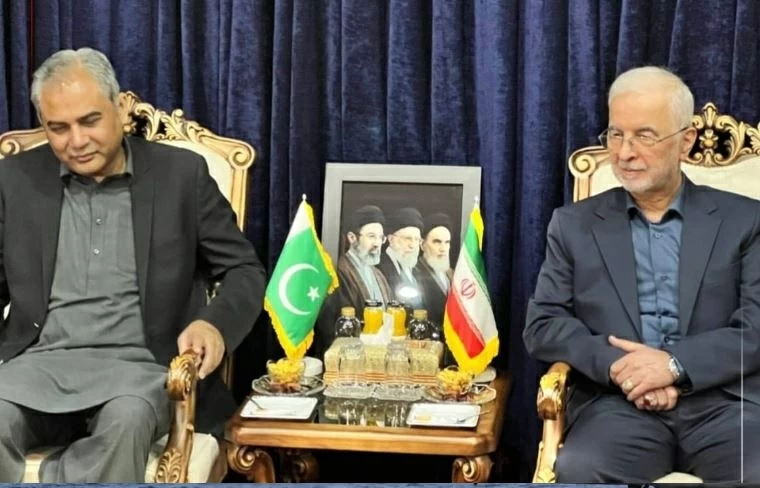
في زيارته الثانية خلال أسبوع، استقبل وزير الداخلية الإيراني إسكندر مؤمني، اليوم (الأربعاء)، نظيره الباكستاني محسن نقوي في مقر الوزارة بطهران.
وذكرت وكالة «تسنيم» إن مؤمني بحث مع نقوي عدداً من الملفات المشتركة.
ونقلت قناتا «العربية» و«الحدث» عن مصادر قولها إن الزيارة جاءت بعد أن أبلغت باكستان بـ«مرونة أمريكية محدودة» في بعض النقاط الاقتصادية، منها تخفيف العقوبات على إيران، موضحة أن واشنطن أبلغت إسلام أباد بأنها لن تقدم تنازلات في المطالب النووية وأمن الملاحة بمضيق هرمز.
وأشارت المصادر إلى أن إيران لا تزال ترى أن الضمانات الأمريكية غير كافية، فيما يتعلق بمنع تكرار أي هجوم مستقبلي.
وتأتي التحركات الباكستانية في الوقت الذي أقر الرئيس الإيراني مسعود بزشكيان بصعوبات في تأمين الوقود وبعض مصادر الطاقة، داعياً الإيرانيين إلى ترشيد استهلاك الطاقة بسبب التحديات والضغوط.
وأشار إلى أن الأضرار بالبنية التحتية للطاقة والضغوط الخارجية تعرقل تأمين الوقود.
من جهة أخرى، قال أمين عام حلف شمال الأطلسي (الناتو) مارك روته: نريد ضمان بقاء مضيق هرمز مفتوحاً، موضحاً أن دولاً كثيرة بالحلف تنقل أصولاً عسكرية إلى منطقة مضيق هرمز. وأعلن روته دعم الحلف للمساعي لمنع إيران من امتلاك سلاح نووي، متهماً إيران باحتجاز الاقتصاد العالمي رهينةً بإغلاقها مضيق هرمز.
وأضاف روته: «سنتعاون بشكل أكبر مع شركائنا في منطقة الخليج».
وفي سياق آخر، قالت بحرية الحرس الثوري الإيراني، أن 26 سفينة، من بينها ناقلات نفط وسفن حاويات وسفن تجارية، عبرت مضيق هرمز خلال الساعات الـ24 الماضية بالتنسيق مع إيران.
وأضافت بحرية الحرس الثوري أن عملية العبور عبر المضيق مستمرة بعد الحصول على التصاريح اللازمة والتنسيق مع القوات.
In his second visit within a week, Iranian Interior Minister Iskandar Momeni received his Pakistani counterpart Mohsin Naqvi today (Wednesday) at the ministry’s headquarters in Tehran.
The Tasnim news agency reported that Momeni discussed several mutual files with Naqvi.
Al-Arabiya and Al-Hadath channels quoted sources saying that the visit came after Pakistan was informed of “limited American flexibility” on some economic points, including the easing of sanctions on Iran, clarifying that Washington informed Islamabad that it would not make concessions on nuclear demands and the security of navigation in the Strait of Hormuz.
Sources indicated that Iran still sees American guarantees as insufficient regarding preventing any future attacks.
The Pakistani moves come at a time when Iranian President Masoud Bezhakian acknowledged difficulties in securing fuel and some energy sources, calling on Iranians to rationalize energy consumption due to challenges and pressures.
He pointed out that damage to energy infrastructure and external pressures hinder fuel security.
On another note, NATO Secretary General Mark Rutte stated: “We want to ensure the Strait of Hormuz remains open,” explaining that many countries in the alliance are transferring military assets to the Strait of Hormuz region. Rutte announced the alliance’s support for efforts to prevent Iran from acquiring nuclear weapons, accusing Iran of holding the global economy hostage by closing the Strait of Hormuz.
Rutte added: “We will cooperate more closely with our partners in the Gulf region.”
In a separate context, the Iranian Revolutionary Guard Navy stated that 26 vessels, including oil tankers, container ships, and commercial vessels, crossed the Strait of Hormuz in the past 24 hours in coordination with Iran.
The Revolutionary Guard Navy added that the crossing operation through the strait continues after obtaining the necessary permits and coordinating with the forces.


