



تطبّق القوات الخاصة لأمن الطرق أنظمة وتعليمات الحج بحزم واحترافية، مستخدمة منظومة متقدّمة من التقنيات الحديثة في مقدّمتها الطائرات بدون طيار المزوّدة بكاميرات حرارية وليلية متطورة للرصد والمراقبة الجوية وتعقّب الأهداف بدقة وسرعة، كما تتضمّن المنظومة الكاميرات الحرارية التي تعمل في مختلف الأوقات والظروف المناخية وباستخدام خوارزميات الذكاء الاصطناعي، وعربات الرصد والنقل المباشر التي تنقل الصورة الميدانية اللحظية إلى غرف العمليات ومراكز المراقبة لتمكين سرعة اتخاذ القرار.
وشدّد المتحدث باسم أمن الطرق العقيد عادل عزام المطيري أن عدد مراكز الضبط الأمني الرئيسية على مداخل العاصمة المقدسة ستة مراكز، ويعد مركز الضبط الأمنـي بالشميسي أحد أهم هذه المراكز، حيث يحتوي على ١٦ مساراً مزوّداً بأحدث التقنيات لتسهيل الحركة المرورية وتقليل زمن الانتظار.
وأضاف أن القوات الخاصة لأمن الطرق تطبق أنظمة وتعليمات الحج عن طريق هذه المراكز، بالإضافة إلى العديد من مراكز الضبط الأمني المؤقتة في المداخل الفرعية والطرق البرية المؤدية إلى العاصمة المقدسة، مضيفاً كذلك مراكز الفرز التي تكون قبل مركز الضبط الأمني الرئيسية.
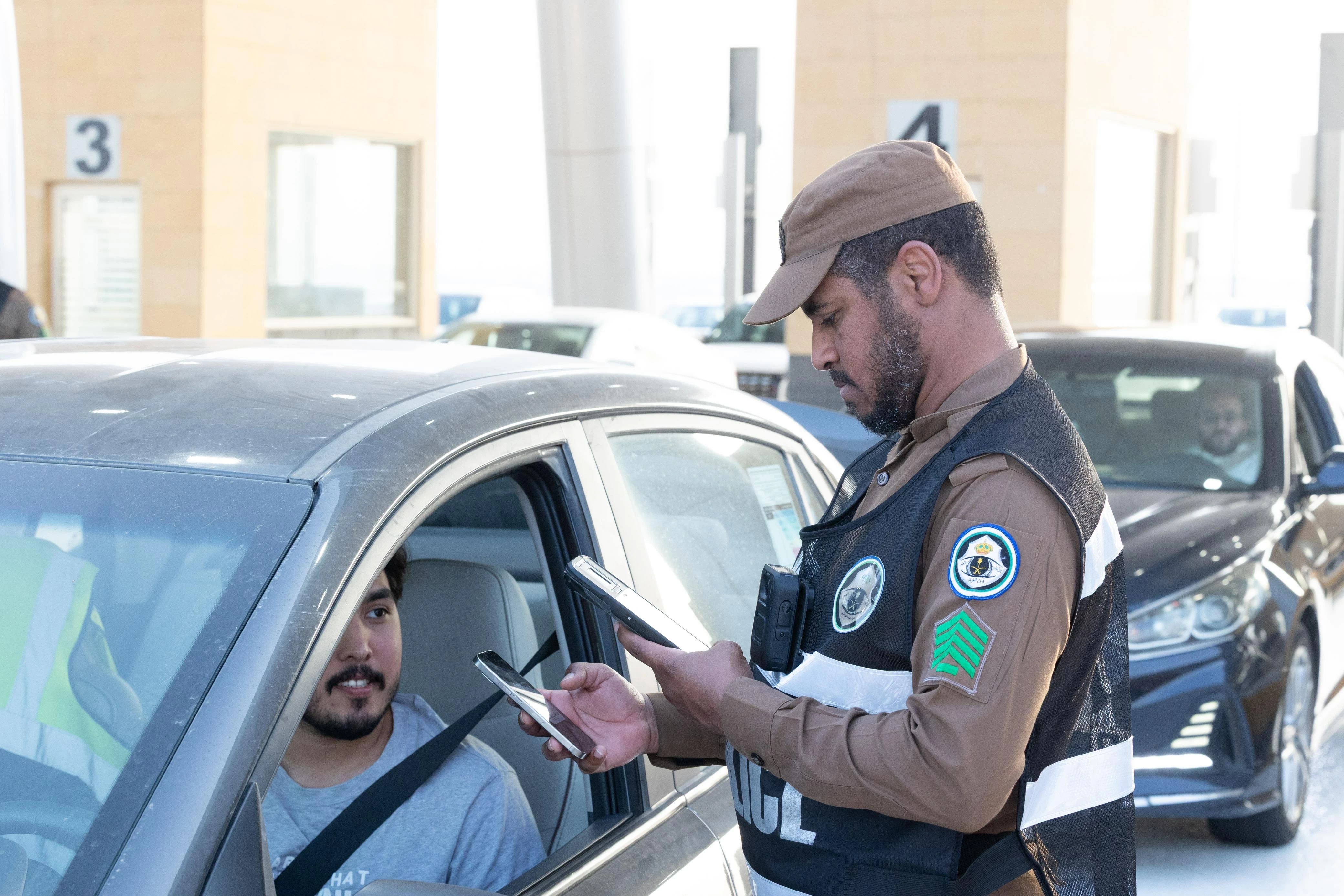
وأوضح أنه تم تزويد رجال الأمن في كل المراكز بالأجهزة الذكية الكفية التي يمكن من خلالها قراءة التصاريح والتحقّق من الأشخاص عبر بصمة الوجة أو الإصبع، بالإضافة إلى خاصية التحقّق من المركبات بشكل آلي.
وبيّن العقيد المطيري الدور المحوري لعربات الرصد والنقل المباشر، التي تتولى نقل الصور الميدانية الحية واللحظية مباشرة إلى غرف العمليات ومراكز المراقبة والتحكم، بما يضمن سرعة اتخاذ القرار المناسب بناءً على المعطيات الميدانية الفورية وحماية أمن وسلامة ضيوف الرحمن.
The Special Forces for Road Security implement the Hajj systems and instructions with firmness and professionalism, using an advanced system of modern technologies, foremost among which are drones equipped with advanced thermal and night vision cameras for aerial surveillance and precise, rapid target tracking. The system also includes thermal cameras that operate in various times and weather conditions using artificial intelligence algorithms, as well as monitoring and direct transport vehicles that relay real-time field images to operations rooms and monitoring centers to enable quick decision-making.
The spokesperson for Road Security, Colonel Adel Izzam Al-Mutairi, emphasized that the number of main security control centers at the entrances to the holy capital is six, with the Al-Shumaisi security control center being one of the most important of these centers, as it contains 16 lanes equipped with the latest technologies to facilitate traffic movement and reduce waiting times.
He added that the Special Forces for Road Security implement the Hajj systems and instructions through these centers, in addition to many temporary security control centers at the secondary entrances and the land routes leading to the holy capital, as well as sorting centers that are located before the main security control center.
He explained that security personnel at all centers have been provided with smart handheld devices that can read permits and verify individuals through facial or fingerprint recognition, in addition to the automatic vehicle verification feature.
Colonel Al-Mutairi highlighted the pivotal role of monitoring and direct transport vehicles, which are responsible for transmitting live and real-time field images directly to operations rooms and monitoring and control centers, ensuring quick decision-making based on immediate field data and protecting the security and safety of the guests of Allah.