



أثبتت دراسة حديثة للمعهد الكوري لعلوم الأرض (KIGام)، نُشرت في دورية Communications Earth & Environment، أن ارتطام الكويكبات بالأرض كان عاملاً رئيساً في نشأة الحياة البدائية وليس لمجرد الدمار.
وجاء هذا الاستنتاج بعد العثور على هياكل صخرية ميكروبية عتيقة تُعرف بـ«الستوماتوليت» مدفونة داخل فوهة نيزكية عمرها 42 ألف عام في كوريا الجنوبية.
3 أدلة حسمت الكشف التاريخي:
الينابيع الساخنة
أظهرت التحاليل وجود نسب عالية من عنصر «اليوروميوم» والكبريت، مما يثبت تحول الفوهة إلى بحيرة مياه حرارية دافئة ومثالية لنمو الميكروبات.
حاضنة ممتدة
أكد التأريخ بالكربون المشع أن هذه البيئة ظلت دافئة وصالحة لإنتاج الأكسجين لأكثر من 8000 عام.
خريطة طريق للمريخ
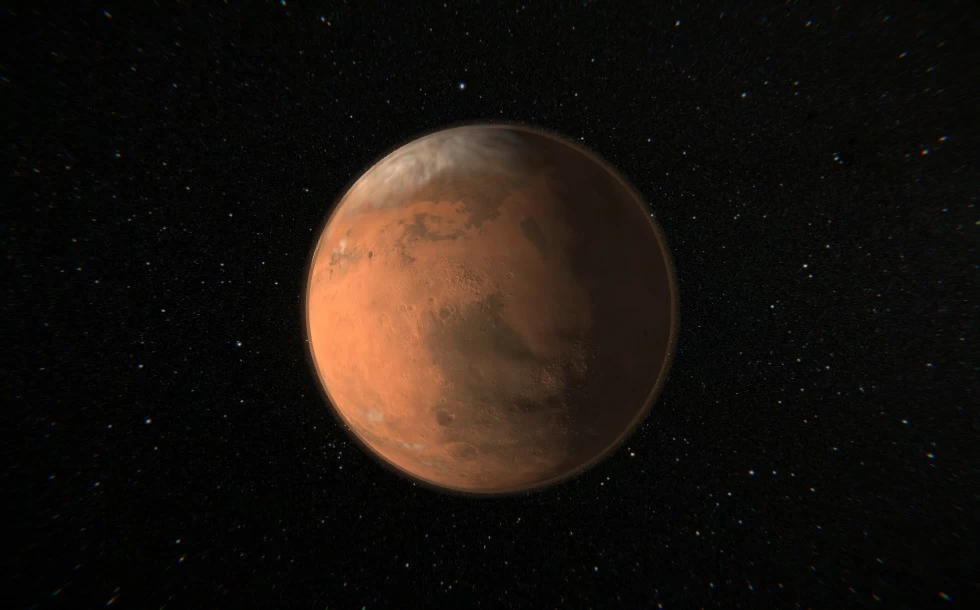
يفتح الكشف أفقاً جديداً لوكالات الفضاء للبحث عن آثار حياة بدائية مشابهة داخل الفوهات النيزكية على سطح الكوكب الأحمر.
A recent study by the Korean Institute of Geoscience (KIGAM), published in the journal Communications Earth & Environment, has shown that asteroid impacts on Earth were a major factor in the emergence of primitive life, rather than merely causing destruction.
This conclusion came after the discovery of ancient microbial rock structures known as “stromatolites” buried within a 42,000-year-old meteorite crater in South Korea.
3 pieces of evidence that confirmed the historical finding:
Hot springs
Analyses revealed high levels of the element “yttrium” and sulfur, proving that the crater transformed into a warm thermal lake ideal for microbial growth.
Extended incubator
Radiocarbon dating confirmed that this environment remained warm and suitable for oxygen production for over 8,000 years.
A roadmap for Mars
This discovery opens a new horizon for space agencies to search for signs of similar primitive life within meteorite craters on the surface of the red planet.


