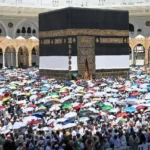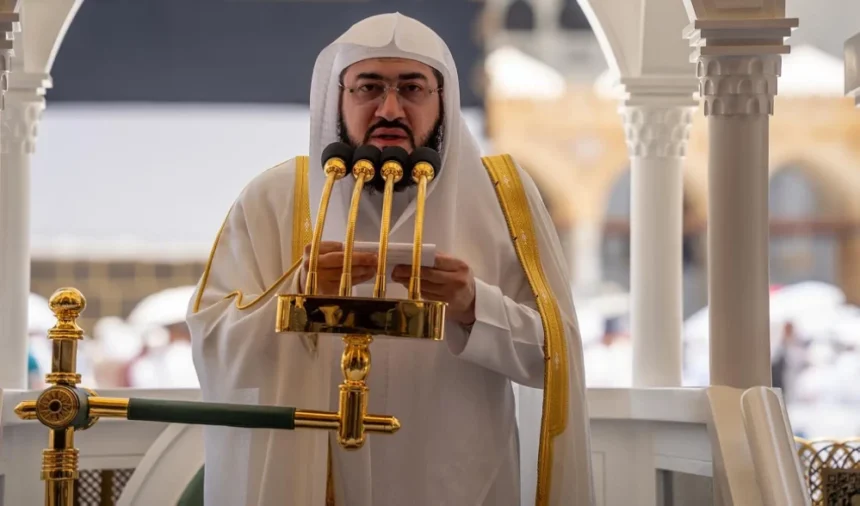
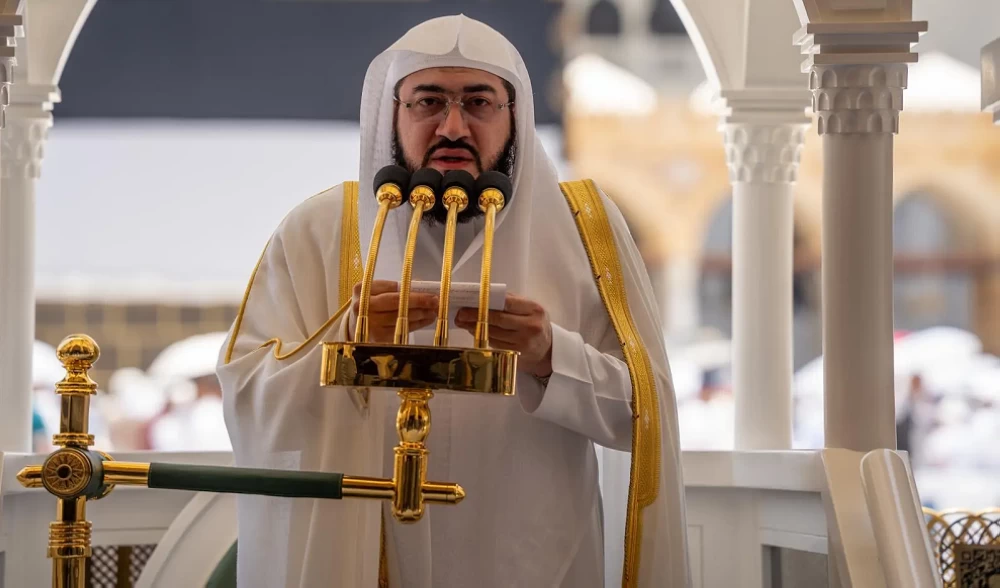
أوصى إمام وخطيب المسجد الحرام الشيخ الدكتور بندر بن عبدالعزيز بليلة، المسلمين بتقوى الله -عز وجل- وشكره على نعمه، مبينًا أن العبادة رحلة عمر لا تنقضي إلا بانقضاء الأجل، مستشهدًا بقوله تعالى: ﴿وَاعْبُدْ رَبَّكَ حَتَّىٰ يَأْتِيَكَ الْيَقِينُ﴾.
وقال فضيلته في خطبة الجمعة التي ألقاها اليوم بالمسجد الحرام بعنوان «دروس الحج»: «إن حجاج بيت الله الحرام قد شارفوا على إنهاء مناسكهم، وسيعود كثير منهم إلى أوطانهم بعد أن نهلوا من العبر والدروس في تلك المشاهد العظيمة»، داعيًا إلى اغتنام ما تبقى من الأيام المباركة بالإكثار من الذكر والتهليل والتكبير والدعاء.
مدرسة إيمانية
وأوضح أن الحج مدرسة إيمانية وتربوية يتعلم فيها المسلم القيم السامية والأخلاق الفاضلة، من المحبة والأخوة والإيثار ونفع العباد وكظم الغيظ والعفو عن الناس والبذل والعطاء وخفض الجناح والصبر على الأذى، مؤكدًا أن من أعظم الدروس التي يستفيدها المسلم من هذه الشعيرة العظيمة تحقيق التوحيد لله تعالى وإخلاص العبادة له والبراءة من الشرك وأهله.
شعيرة التلبية
وأشار إلى أن شعيرة التلبية تجسد معاني التوحيد والانقياد لله تعالى، مبينًا أن الحاج يردد: «لَبَّيْكَ اللَّهُمَّ لَبَّيْكَ، لَبَّيْكَ لَا شَرِيكَ لَكَ لَبَّيْكَ، إِنَّ الْحَمْدَ وَالنِّعْمَةَ لَكَ وَالْمُلْكَ، لَا شَرِيكَ لَكَ»، كما يلهج يوم عرفة بقول: «لَا إِلَهَ إِلَّا اللَّهُ وَحْدَهُ لَا شَرِيكَ لَهُ، لَهُ الْمُلْكُ وَلَهُ الْحَمْدُ، وَهُوَ عَلَى كُلِّ شَيْءٍ قَدِيرٌ».
وحذر إمام وخطيب المسجد الحرام من مظاهر التعلق بغير الله تعالى أو صرف شيء من أنواع العبادة لغيره، مؤكدًا أن النفع والضر بيد الله وحده، مستشهدًا بقوله سبحانه: ﴿قُل لَّا أَمْلِكُ لِنَفْسِي نَفْعًا وَلَا ضَرًّا إِلَّا مَا شَاءَ اللَّهُ وَلَوْ كُنتُ أَعْلَمُ الْغَيْبَ لَاسْتَكْثَرْتُ مِنَ الْخَيْرِ وَمَا مَسَّنِيَ السُّوءُ إِنْ أَنَا إِلَّا نَذِيرٌ وَبَشِيرٌ لِّقَوْمٍ يُؤْمِنُونَ﴾، موضحًا أن من علامات قبول الحج المبرور أن يعود الحاج بقلب أتقى وسلوك أزكى، داعيًا إلى شكر الله تعالى على نعمة الحج واستثمار آثارها الإيمانية في حياة المسلم.
وبين أن من أعمال الحج المتبقية رمي الجمار في أيام التشريق، مبينًا أن من تعجل في يومين فلا إثم عليه ومن تأخر فلا إثم عليه لمن اتقى، مستشهدًا بقوله تعالى: ﴿وَاذْكُرُوا اللَّهَ فِي أَيَّامٍ مَّعْدُودَاتٍ فَمَن تَعَجَّلَ فِي يَوْمَيْنِ فَلَا إِثْمَ عَلَيْهِ وَمَن تَأَخَّرَ فَلَا إِثْمَ عَلَيْهِ لِمَنِ اتَّقَىٰ وَاتَّقُوا اللَّهَ وَاعْلَمُوا أَنَّكُمْ إِلَيْهِ تُحْشَرُونَ﴾.
آخر العهد بالبيت
وأكد فضيلته أن طواف الوداع واجب على من أراد مغادرة مكة المكرمة بعد الفراغ من المناسك، مستشهدًا بحديث عبدالله بن عباس رضي الله عنهما: «كَانَ النَّاسُ يَنْصَرِفُونَ فِي كُلِّ وَجْهٍ، فَقَالَ رَسُولُ اللَّهِ -صلى الله عليه وسلم-: لَا يَنْفِرَنَّ أَحَدٌ حَتَّى يَكُونَ آخِرُ عَهْدِهِ بِالْبَيْتِ».
ودعا فضيلته الله تعالى أن يتقبل من الحجاج حجهم، وأن يعيدهم إلى أوطانهم سالمين غانمين، وأن يحفظ المملكة وولاة أمرها، ويديم عليها نعمة الأمن والاستقرار، وأن يعز الإسلام والمسلمين في كل مكان.
وفي المدينة المنورة، أوصى فضيلة إمام وخطيب المسجد النبوي الشيخ الدكتور عبدالمحسن القاسم، المسلمين بتقوى الله تعالى ومراقبته في السر والعلن، مبينًا أن الله سبحانه شرع لعباده عبادات متنوعة، منها ما يكون في القلب ومنها ما يظهر على الجوارح، وكلّها تدور حول تحقيق معاني الإسلام والإيمان وترسيخ العبودية الخالصة لله تعالى.
الحج يجسد عظمة الإسلام
وأوضح أن شعيرة الحج تُعد من أعظم العبادات البدنية وأدقّها أحكامًا، لما تحمله من معاني الطاعة والامتثال، مشيرًا إلى أن هذه الشعيرة العظيمة تُجسد عظمة الإسلام في توحيد المسلمين واجتماعهم على كلمة واحدة، إذ يقصدون ربًا واحدًا، ويتبعون نبيًا واحدًا، ويقرؤون كتابًا واحدًا، في مشهد إيماني تتلاشى فيه الفوارق الدنيوية، ولا يكون التفاضل فيه إلا بالتقوى.
وبيّن أن الحج تتجلى فيه آياتٌ تدل على صِدقِ رُسل الله -عليهم السلام-، مستشهدًا بدعوة إبراهيم -عليه السلام-: (فَاجْعَلْ أَفْئِدَةً مِنَ النَّاسِ تَهْوِي إِلَيْهِمْ)، موضحًا أن الله سبحانه استجاب دعاءه، فأصبح المسلمون يفدون إلى البيت الحرام والمشاعر المقدسة من شتى بقاع الأرض على مرّ العصور، رغم مشقة السفر وبُعد المسافات.
وأشار فضيلته إلى أن الحجاج يُجسدون معاني الإخلاص والتجرد لله تعالى بترك مظاهر الدنيا وارتداء الإحرام، وأداء المناسك بخشوع وامتثال، معلنين افتقارهم إلى الله وخضوعهم له في الوقوف بعرفة وسائر المناسك، في مشهد إيماني تتجلى فيه معاني العبودية والتذلل لله سبحانه.
دوام هدي النبوة
وأكد إمام وخطيب المسجد النبوي أن هذا الدين محفوظ بحفظ الله تعالى رغم تعاقب الأزمنة وتقلب الأحوال، مبينًا أن المسلمين لا يزالون يؤدون مناسكهم كما أداها النبي -صلى الله عليه وسلم-، ويلبسون ما لبسه ويطوفون ويرمون كما فعل، في صورة تجسد ثبات الشريعة ودوام هدي النبوة.
وتناول فضيلته ما تحمله سيرة النبي -صلى الله عليه وسلم- من معاني الصبر والوفاء في تبليغ الرسالة، وما لقيه -عليه الصلاة والسلام- من الأذى في سبيل الدعوة، وما قدمه الصحابة -رضي الله عنهم- من هجرة وتضحيات لنشر الإسلام، مؤكدًا أن من واجب المسلمين الوفاء لرسول الله -صلى الله عليه وسلم- بمحبة سنته واتباع هديه والاقتداء بأثره، ومحبة أصحابه -رضوان الله عليهم- وتقدير مكانتهم والدفاع عنهم.
ودعا المسلمين إلى شكر الله تعالى على ما يسره من الطاعات والعبادات، مشيرًا إلى أن من علامات قبول العمل الصالح أن يوفق العبد إلى طاعة بعدها، مستشهدًا بقوله تعالى: (وَالَّذِينَ اهْتَدَوْا زَادَهُمْ هُدًى وَآتَاهُمْ تَقْوَاهُمْ).
البعد عن التفاخر
وحثّ فضيلته المسلمين على حفظ أعمالهم الصالحة وصيانتها، والإكثار من سؤال الله تعالى القبول، والابتعاد عن العُجب والتفاخر بالطاعات، محذرًا من خطورة الشرك لما يترتب عليه من إحباط الأعمال، مستشهدًا بقوله تعالى: (وَلَقَدْ أُوحِيَ إِلَيْكَ وَإِلَى الَّذِينَ مِن قَبْلِكَ لَئِنْ أَشْرَكْتَ لَيَحْبَطَنَّ عَمَلُكَ).
العبادة لا تنقطع
واختتم إمام وخطيب المسجد النبوي خطبة الجمعة مبينًا أن العبادة لا تنقطع بانتهاء الحج أو غيره من المواسم، داعيًا المسلم إلى المسارعة في الخيرات والمداومة على الطاعات طلبًا لرحمة الله ومغفرته ورضوانه، وموصيًا الحجاج بالمحافظة على أثر هذه العبادة في سلوكهم وحياتهم، وأن يكونوا قدوة في التمسك بالصلاة والجماعة، والثبات على الدين، والدعوة إلى الله بالحكمة والموعظة الحسنة، مع تعزيز الصلة بالله تعالى في جميع شؤون حياتهم.
The Imam and preacher of the Grand Mosque, Sheikh Dr. Bandar bin Abdulaziz Balilah, urged Muslims to fear Allah – Almighty and Exalted – and to thank Him for His blessings, explaining that worship is a lifelong journey that does not end until the end of one’s life, citing His saying: ﴿And worship your Lord until certainty comes to you﴾.
He said in the Friday sermon he delivered today at the Grand Mosque titled “Lessons from Hajj”: “The pilgrims of the Sacred House of Allah are nearing the completion of their rituals, and many of them will return to their homelands after having drawn lessons and insights from those great scenes,” calling for seizing the remaining blessed days by increasing remembrance, glorification, and supplication.
A Faith School
He explained that Hajj is a faith-based and educational school where Muslims learn noble values and virtuous morals, such as love, brotherhood, selflessness, benefiting others, controlling anger, forgiving people, generosity, and patience in the face of harm, emphasizing that one of the greatest lessons Muslims gain from this great ritual is the realization of monotheism to Allah Almighty and the sincerity of worship to Him, as well as disavowing polytheism and its people.
The Ritual of Talbiyah
He pointed out that the ritual of Talbiyah embodies the meanings of monotheism and submission to Allah Almighty, explaining that the pilgrim recites: “Here I am, O Allah, here I am; here I am, You have no partner; here I am, indeed all praise and blessings are Yours, and sovereignty is Yours; You have no partner,” and on the Day of Arafah, he repeats: “There is no deity but Allah, alone, with no partner; to Him belongs sovereignty and praise, and He is over all things competent.”
The Imam and preacher of the Grand Mosque warned against the manifestations of attachment to other than Allah Almighty or directing any form of worship to others, emphasizing that benefit and harm are in the hands of Allah alone, citing His saying: ﴿Say, ‘I do not possess for myself any harm or benefit except what Allah wills. And if I knew the unseen, I would have amassed much good, and no harm would have touched me. I am only a warner and a bringer of good tidings to a people who believe’﴾, clarifying that one of the signs of accepted Hajj is that the pilgrim returns with a more pious heart and a better conduct, calling for gratitude to Allah Almighty for the blessing of Hajj and for utilizing its faith-based effects in the life of the Muslim.
He indicated that among the remaining acts of Hajj is throwing the pebbles during the days of Tashreeq, explaining that whoever hastens on the first two days incurs no sin, and whoever delays incurs no sin for those who fear Allah, citing His saying: ﴿And remember Allah during the appointed days. And whoever hastens his departure in two days incurs no sin, and whoever delays has incurred no sin for him who fears Allah. And fear Allah and know that unto Him you will be gathered﴾.
The Last Encounter with the House
He affirmed that the farewell Tawaf is obligatory for those who wish to leave Mecca after completing the rituals, citing the hadith of Abdullah bin Abbas, may Allah be pleased with them: “People used to disperse in every direction, and the Messenger of Allah – peace be upon him – said: ‘Let no one depart until his last act is the House’.”
He prayed to Allah Almighty to accept the Hajj of the pilgrims, to return them to their homelands safely and profitably, to protect the Kingdom and its leaders, to continue bestowing upon it the blessing of security and stability, and to honor Islam and Muslims everywhere.
In Medina, the esteemed Imam and preacher of the Prophet’s Mosque, Sheikh Dr. Abdul Mohsen Al-Qasim, urged Muslims to fear Allah Almighty and to be mindful of Him in private and public, explaining that Allah, the Exalted, has legislated various forms of worship for His servants, some of which are in the heart and others that manifest on the limbs, all revolving around achieving the meanings of Islam and faith and establishing pure servitude to Allah Almighty.
Hajj Embodies the Greatness of Islam
He clarified that the ritual of Hajj is considered one of the greatest physical acts of worship and the most precise in its rulings, due to the meanings of obedience and compliance it carries, pointing out that this great ritual embodies the greatness of Islam in uniting Muslims and gathering them on one word, as they seek one Lord, follow one Prophet, and read one Book, in a faith scene where worldly differences fade away, and the only distinction is through piety.
He indicated that in Hajj, there are signs that demonstrate the truthfulness of Allah’s messengers – peace be upon them – citing the supplication of Ibrahim – peace be upon him: (So make hearts among the people incline toward them), explaining that Allah Almighty answered his supplication, and thus Muslims have been flocking to the Sacred House and the holy sites from all corners of the earth throughout the ages, despite the hardships of travel and the long distances.
He pointed out that the pilgrims embody the meanings of sincerity and detachment for Allah Almighty by leaving worldly appearances and donning the Ihram, performing the rituals with humility and compliance, declaring their need for Allah and submission to Him while standing at Arafah and throughout the rituals, in a faith scene that showcases the meanings of servitude and humility to Allah, the Exalted.
The Continuity of the Prophetic Guidance
The Imam and preacher of the Prophet’s Mosque affirmed that this religion is preserved by the protection of Allah Almighty despite the passage of time and changing circumstances, explaining that Muslims continue to perform their rituals as the Prophet – peace be upon him – did, wearing what he wore, circling and throwing as he did, in a representation of the stability of the Sharia and the continuity of the prophetic guidance.
He discussed what the biography of the Prophet – peace be upon him – carries of meanings of patience and loyalty in delivering the message, the harm he faced in the path of the call, and the sacrifices made by the companions – may Allah be pleased with them – for the spread of Islam, emphasizing that it is the duty of Muslims to remain loyal to the Messenger of Allah – peace be upon him – by loving his Sunnah, following his guidance, and emulating his legacy, as well as loving his companions – may Allah be pleased with them – appreciating their status, and defending them.
He called on Muslims to thank Allah Almighty for what He has facilitated of acts of obedience and worship, pointing out that one of the signs of accepted righteous deeds is that the servant is guided to another act of obedience afterward, citing His saying: (And those who are guided, He increases them in guidance and gives them their piety).
Avoiding Arrogance
He urged Muslims to preserve their good deeds and protect them, to frequently ask Allah Almighty for acceptance, and to stay away from arrogance and boasting about acts of worship, warning of the danger of polytheism due to the consequences it brings that nullify deeds, citing His saying: (And indeed, it has been revealed to you and to those before you: ‘If you associate anything with Allah, your work will surely become worthless’).
Worship does not cease
He concluded the Friday sermon at the Prophet’s Mosque by stating that worship does not cease with the end of Hajj or other seasons, urging Muslims to hasten to good deeds and to persist in acts of obedience in pursuit of Allah’s mercy, forgiveness, and pleasure, advising the pilgrims to maintain the effects of this worship in their conduct and lives, to be role models in adhering to prayer and congregation, steadfastness in religion, and calling to Allah with wisdom and good advice, while strengthening their connection with Allah Almighty in all aspects of their lives.