

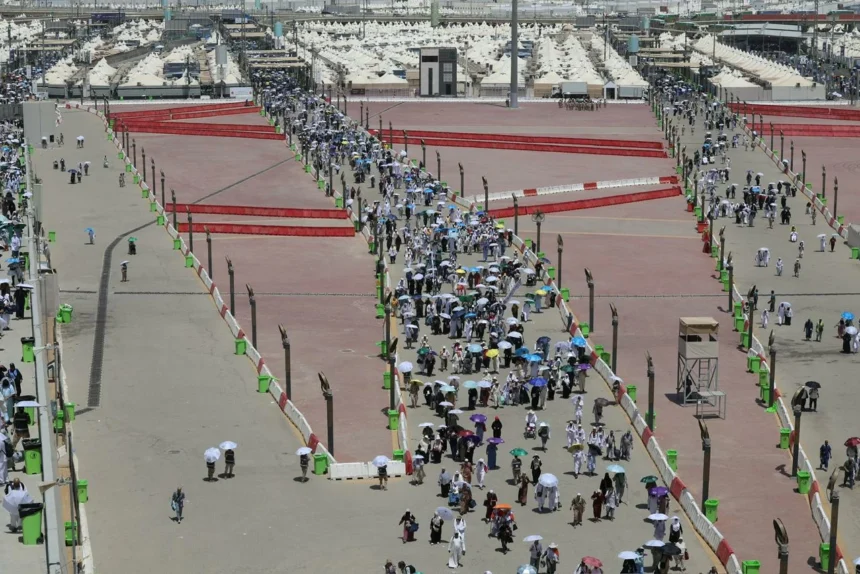
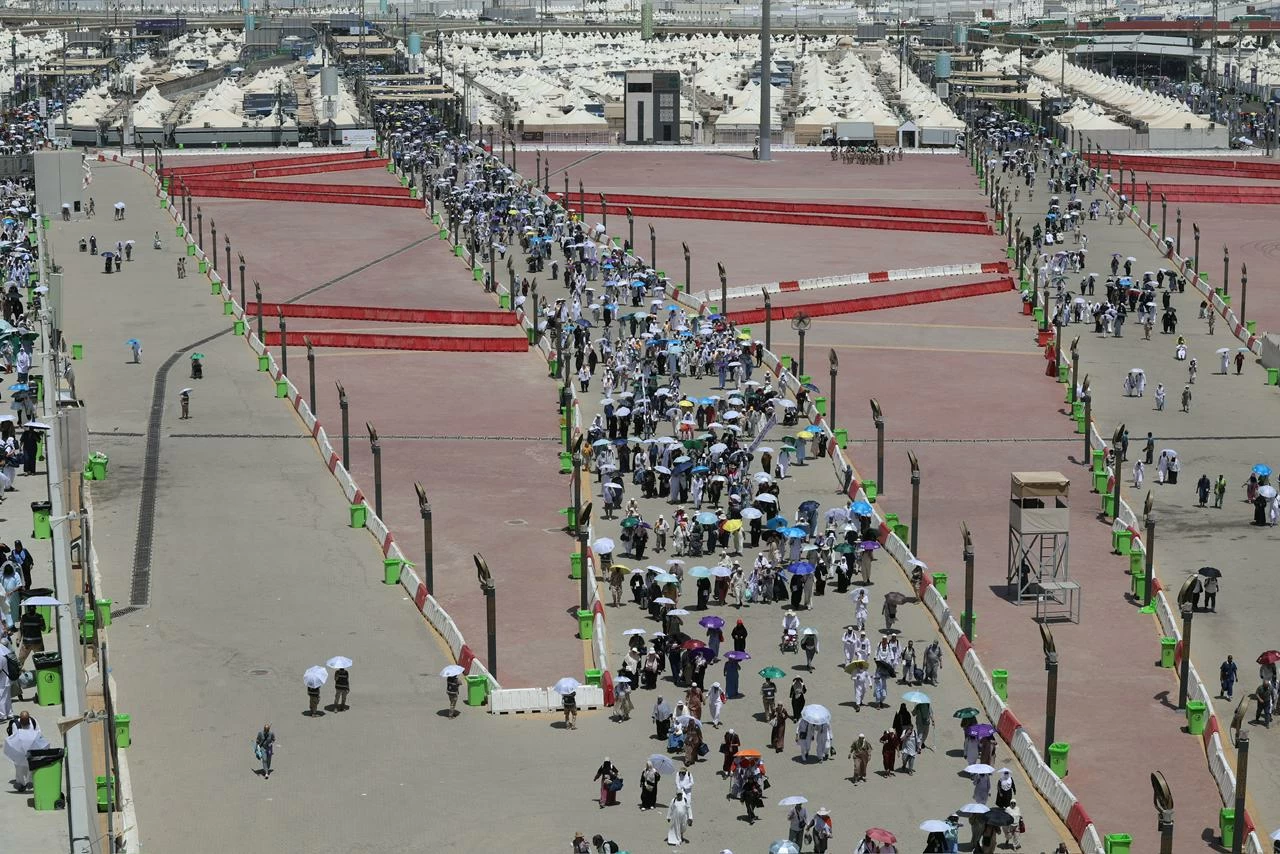
لا يمكن النظر إلى نجاح المملكة العربية السعودية في تنظيم موسم الحج على أنه نجاح إداري موسمي فحسب، بل هو انعكاس لقدرة دولة كاملة على إدارة واحدة من أكثر العمليات البشرية واللوجستية تعقيداً في العالم. فالحج يمثل أكبر تجمع بشري دوري في مكان وزمان محددين، إذ يتنقل ملايين الحجاج بين المشاعر المقدسة وفق جدول زمني دقيق للغاية، ما يجعل أي خلل بسيط مرشحاً للتأثير على أعداد هائلة من البشر. ومع ذلك، تنجح المملكة عاماً بعد عام في تحويل هذا التحدي الاستثنائي إلى قصة نجاح متجددة.
وتكمن خصوصية التجربة السعودية في أنها لا تعتمد على إدارة الحشود بالمعنى التقليدي، بل على بناء منظومة متكاملة تبدأ قبل وصول الحاج إلى المملكة بوقت طويل. فمن خلال التنسيق مع دول العالم، وتنظيم إجراءات التأشيرات، وتحديد الحصص، والاستفادة من المنصات الرقمية، تتم إدارة تدفقات الحجاج منذ المراحل الأولى، الأمر الذي يخفف الضغط ويضمن انسيابية الحركة خلال الموسم.
كما أن المملكة نجحت في الانتقال من مفهوم «إدارة الحج» إلى مفهوم «إدارة التوقعات». فبدلاً من التعامل مع المشكلات بعد وقوعها، تعتمد الجهات المعنية على البيانات الضخمة والذكاء الاصطناعي ونظم المراقبة والتحليل اللحظي لاستشراف مواقع الازدحام المحتملة وحركة الحشود وتوجيهها بشكل استباقي، وهو ما يعكس تطوراً نوعياً في فلسفة إدارة الحج.
ومن الناحية الأمنية، تقدم المملكة نموذجاً عالمياً في تحقيق معادلة شديدة الصعوبة تتمثل في تأمين ملايين الأشخاص دون التأثير على انسيابية تنقلهم وأدائهم للمناسك. فالخطط الأمنية لا تقتصر على حفظ النظام، بل تشمل إدارة الحركة، والاستجابة للطوارئ، وحماية البنية التحتية الحيوية، وضمان استمرارية الخدمات في جميع الظروف.
أما على المستوى الصحي، فقد أثبتت التجارب المتعاقبة أن المملكة تمتلك قدرة عالية في إدارة المخاطر الصحية المرتبطة بالتجمعات البشرية الضخمة. وقد برز ذلك بصورة أوضح خلال السنوات الماضية من خلال تطوير منظومات الرعاية الصحية الوقائية والعلاجية ورفع جاهزية المستشفيات والمراكز الطبية وفرق الطوارئ، بما يضمن تقديم خدمات صحية متقدمة لضيوف الرحمن.
اقتصادياً، يمثل الحج نموذجاً فريداً لقدرة الدولة على توظيف موارد ضخمة لخدمة هدف إنساني وديني بالدرجة الأولى. فالمملكة تستثمر مليارات الريالات في تطوير المشاعر المقدسة وشبكات النقل والقطارات والطرق والبنية التحتية والخدمات الرقمية، ليس لتحقيق مكاسب آنية، بل لتوفير تجربة أكثر أمناً وسهولة وراحة للحجاج.
ويبرز هنا عامل القيادة السياسية والرؤية الإستراتيجية لولي العهد الأمير محمد بن سلمان، إذ إن النجاحات المتراكمة لم تأتِ نتيجة إجراءات مؤقتة، بل هي ثمرة عقود من التخطيط والتطوير المستمر، تسارعت وتيرته في ظل رؤية السعودية 2030 التي جعلت خدمة ضيوف الرحمن أحد محاورها الرئيسية، عبر رفع الطاقة الاستيعابية وتحسين جودة الخدمات وتبني أحدث التقنيات العالمية.
وعلى الصعيد الدولي، أصبح الحج أحد أبرز أدوات القوة الناعمة السعودية. فالملايين الذين يفدون سنوياً إلى المملكة يعودون إلى بلدانهم وهم يحملون صورة مباشرة عن حجم التنظيم وكفاءة الخدمات ومستوى الأمن والاستقرار وقصص الوسطية والاعتدال التي تسردها المملكة لتصل للعالم. ومن هنا فإن نجاح موسم الحج لم يعد شأناً محلياً فحسب، بل تحول إلى رسالة عالمية تعكس مكانة المملكة وقدرتها المؤسسية والتنظيمية.
لذلك، فإن الإنجاز الحقيقي لا يكمن فقط في إدارة ملايين الحجاج، بل في القدرة على تكرار هذا النجاح عاماً بعد عام، مع تطوير مستمر للأداء ورفع كفاءة الخدمات واستيعاب الأعداد المتزايدة. وهذه الاستدامة في النجاح هي التي تجعل التجربة السعودية في الحج حالة فريدة عالمياً، وتجسد مكانة المملكة بوصفها المرجعية الأولى في إدارة الحشود المليونية وتنظيم أكبر تجمع بشري سنوي على وجه الأرض بكفاءة، ورسالة إعلامية جسدت روحانية الحج ونقلت تفاصيله بمهنية تبرز عظمة التنظيم وجودة الخدمات بأعلى معايير المصداقية. إنها رسالة الحج العظيمة التي تتمحور من مفهوم الإدارة إلى تعضيد سردية التعايش والوسطية.
The success of the Kingdom of Saudi Arabia in organizing the Hajj season cannot be viewed merely as a seasonal administrative success; rather, it reflects the capability of a whole nation to manage one of the most complex human and logistical operations in the world. The Hajj represents the largest periodic human gathering in a specific place and time, as millions of pilgrims move between the holy sites according to a very precise schedule, making any minor disruption likely to affect vast numbers of people. Nevertheless, the Kingdom succeeds year after year in transforming this exceptional challenge into a renewed success story.
The uniqueness of the Saudi experience lies in its reliance not on traditional crowd management but on building an integrated system that begins long before the pilgrim arrives in the Kingdom. Through coordination with countries around the world, organizing visa procedures, determining quotas, and utilizing digital platforms, the flow of pilgrims is managed from the early stages, alleviating pressure and ensuring smooth movement during the season.
Moreover, the Kingdom has successfully transitioned from the concept of “Hajj management” to that of “expectation management.” Instead of dealing with problems after they occur, the relevant authorities rely on big data, artificial intelligence, and real-time monitoring and analysis systems to anticipate potential congestion points and proactively direct crowd movements, reflecting a qualitative development in the philosophy of Hajj management.
From a security perspective, the Kingdom presents a global model in achieving a highly challenging equation: securing millions of people without affecting the smoothness of their movement and performance of rituals. Security plans do not only focus on maintaining order but also include traffic management, emergency response, protecting vital infrastructure, and ensuring service continuity under all circumstances.
On the health front, successive experiences have proven that the Kingdom possesses a high capability in managing health risks associated with large human gatherings. This was particularly evident in recent years through the development of preventive and therapeutic healthcare systems and enhancing the readiness of hospitals, medical centers, and emergency teams, ensuring advanced health services for the guests of Allah.
Economically, the Hajj represents a unique model of the state’s ability to deploy massive resources to serve a primarily humanitarian and religious goal. The Kingdom invests billions of riyals in developing the holy sites, transportation networks, trains, roads, infrastructure, and digital services, not for immediate gains but to provide a safer, easier, and more comfortable experience for the pilgrims.
Here, the factor of political leadership and the strategic vision of Crown Prince Mohammed bin Salman stands out, as the accumulated successes did not come as a result of temporary measures but are the fruit of decades of continuous planning and development, which have accelerated under Saudi Vision 2030, making the service of the guests of Allah one of its main pillars, through increasing capacity, improving service quality, and adopting the latest global technologies.
On the international level, the Hajj has become one of the most prominent tools of Saudi soft power. The millions who come to the Kingdom each year return to their countries carrying a direct image of the scale of organization, service efficiency, security, stability, and the narratives of moderation and coexistence that the Kingdom shares with the world. Thus, the success of the Hajj season is no longer merely a local matter; it has transformed into a global message reflecting the Kingdom’s status and its institutional and organizational capabilities.
Therefore, the true achievement lies not only in managing millions of pilgrims but in the ability to replicate this success year after year, with continuous performance development, enhanced service efficiency, and accommodating increasing numbers. This sustainability of success is what makes the Saudi experience in Hajj a unique global case, embodying the Kingdom’s position as the primary reference in managing millions of crowds and organizing the largest annual human gathering on Earth efficiently, and a media message that embodies the spirituality of Hajj and conveys its details with professionalism, highlighting the greatness of organization and the quality of services to the highest standards of credibility. It is the great message of Hajj that revolves around the concept of management to support the narrative of coexistence and moderation.