


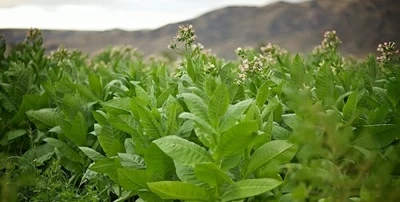
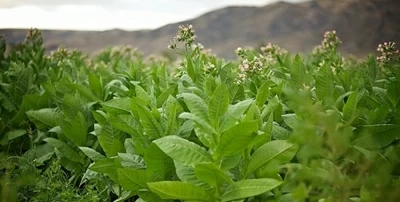
نجح فريق علمي بريطاني دنماركي مشترك في فك شفرة لغز بيوكيميائي استعصى على الحل لأكثر من قرنين من الزمان، بعد اكتشاف الآلية الدقيقة والجينات المسؤولة عن كيفية إنتاج نبات التبغ لجزيئات النيكوتين، وهو ما يمهد الطريق لثورة في مجال «الزراعة الجزيئية النباتية» وصناعة الأدوية.
ورغم أن البشر استهلكوا التبغ لآلاف السنين، وتمكنوا من استخلاص مادة النيكوتين لأول مرة في أواخر عشرينيات القرن التاسع عشر، إلا أن طريقة تصنيع هذا المركب داخل خلايا النبات ظلت غامضة. وفي دراسة حديثة نشرتها منصة «ذا كونفيرسيشن» ونقلتها الدورية العلمية الشهيرة «نيتشر»، تمكن باحثون من جامعتي «يورك» البريطانية و«كوبنهاجن» الدنماركية من تحديد الجينات والإنزيمات المسؤولة عن هذه العملية بدقة.
وعزا عالم الأحياء، بنيامين ليتشمان، تأخر هذا الاكتشاف لعقود طويلة إلى «خدعة بيولوجية» فريدة يمارسها النبات؛ إذ يرتبط جزيء الجلوكوز (السكر) أولاً باللبنات الأساسية للنيكوتين لوضعها في حالة نشطة وتفاعلية تسمح بتركيب الجزيء، وبمجرد اكتمال عملية التجميع، ينفصل جزيء السكر تماماً ويختفي دون ترك أي أثر يرصده العلماء. كما حدد الفريق إنزيمين رئيسيين هما (NaGR) و(NicGS)، يعملان كأدوات لتجميع جزيء النيكوتين من مواده الخام، وهي حمض أميني ومركب شبيه بالفيتامينات.
وتكمن الأهمية العملية لهذا الإنجاز العلمي في تطوير أدوات التكنولوجيا الحيوية؛ إذ يُستخدم نبات (Nicotiana benthamiana)، وهو قريب وثيق للتبغ، حالياً في «الزراعة الجزيئية» لإنتاج أدوية ولقاحات منقذة للحياة، إلا أن وجود النيكوتين الطبيعي عالي الإدمان كان يلوث هذه المنتجات، مما يتطلب عمليات معالجة معقدة ومكلفة لإزالته.
وبفضل المعطيات الجديدة، بات بإمكان العلماء تعديل هندسة النبات وراثياً لمنع إنتاج النيكوتين تماماً، أو إعادة توجيه هذا النظام النباتي المعقد لإنتاج مركبات دارجية وصيدلانية نافعة، مما يحول نبات التبغ من مصدر رئيسي للتدخين والسجائر إلى مصنع حيوي واعد لإنتاج الأدوية المستدامة.
A joint British-Danish scientific team has succeeded in deciphering a biochemical puzzle that has eluded solution for more than two centuries, after discovering the precise mechanism and genes responsible for how tobacco plants produce nicotine molecules. This paves the way for a revolution in the field of “molecular plant agriculture” and the pharmaceutical industry.
Although humans have consumed tobacco for thousands of years and were able to extract nicotine for the first time in the late 1820s, the method of synthesizing this compound within plant cells has remained a mystery. In a recent study published by the platform “The Conversation” and reported by the renowned scientific journal “Nature,” researchers from the British University of York and the Danish University of Copenhagen managed to accurately identify the genes and enzymes responsible for this process.
Biologist Benjamin Leachman attributed the long delay in this discovery to a unique “biological trick” employed by the plant; the glucose (sugar) molecule first binds to the building blocks of nicotine to put them in an active and reactive state that allows for the assembly of the molecule. Once the assembly process is complete, the sugar molecule completely separates and disappears without leaving any trace for scientists to detect. The team also identified two key enzymes, (NaGR) and (NicGS), which act as tools to assemble the nicotine molecule from its raw materials, which are an amino acid and a vitamin-like compound.
The practical significance of this scientific achievement lies in the development of biotechnology tools; the plant (Nicotiana benthamiana), a close relative of tobacco, is currently used in “molecular agriculture” to produce life-saving drugs and vaccines. However, the presence of highly addictive natural nicotine has contaminated these products, necessitating complex and costly processing to remove it.
Thanks to the new findings, scientists can now genetically modify the plant’s engineering to completely prevent nicotine production or redirect this complex plant system to produce useful pharmaceutical and commercial compounds, transforming the tobacco plant from a major source of smoking and cigarettes into a promising biofactory for sustainable drug production.