كشفت صحيفة بريطانية، اليوم (الثلاثاء)، أن واشنطن تجري مناقشات بشأن إمكانية نشر أسلحة نووية في دول أوروبية، في خطوة تهدف إلى تعزيز مظلة الردع وطمأنة الحلفاء في ظل مخاوف متزايدة من تقليص الدعم العسكري التقليدي الأمريكي للقارة.
ونقلت صحيفة «فاينانشيال تايمز» عن 3 مصادر مطلعة على المناقشات أن مسؤولين أمريكيين أبدوا انفتاحاً على بحث عمليات نشر إضافية خارج نطاق الدول الست الحالية التي تستضيف بالفعل عناصر من القدرات النووية الأمريكية ضمن إطار حلف شمال الأطلسي.
وبحسب المصادر، فإن هذه المشاورات لا تزال في مراحلها الأولى وتتسم بدرجة عالية من السرية، وقد لا تفضي إلى أي تغييرات فورية في ترتيبات «المشاركة النووية» القائمة منذ عقود، لكنها تأتي في وقت يتصاعد فيه القلق الأوروبي من توجهات إدارة الرئيس الأمريكي دونالد ترمب بشأن تقليص الوجود العسكري في أوروبا وإعادة نشر بعض القدرات إلى مناطق أخرى.
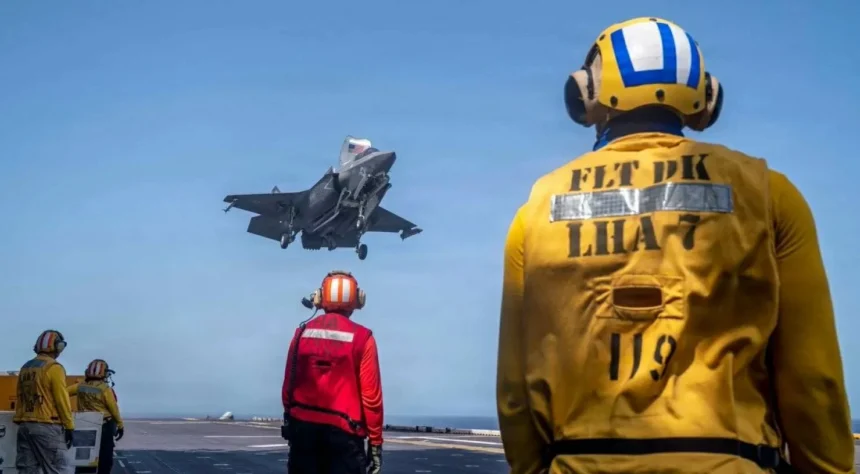
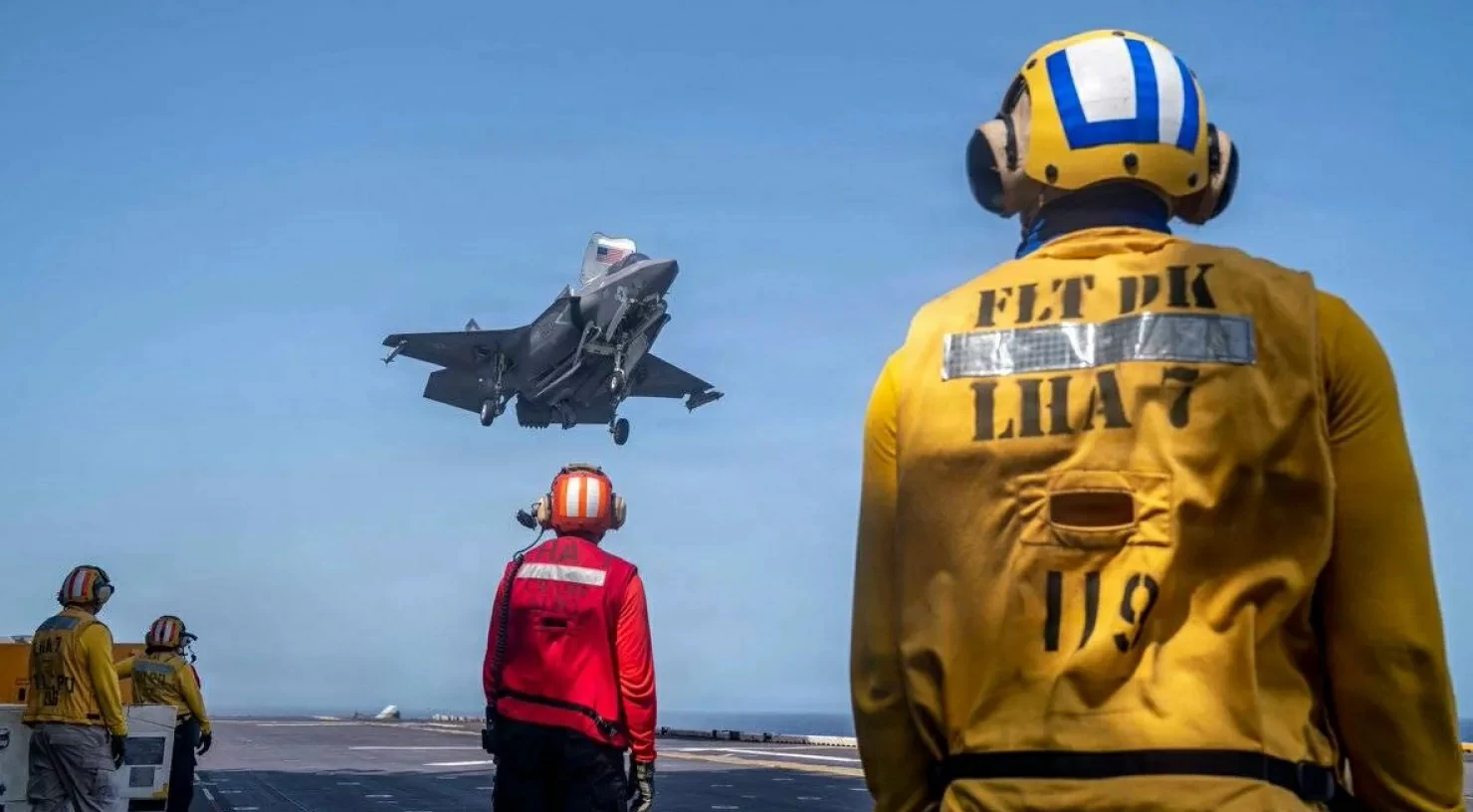
وتشير المناقشات إلى احتمال توسيع نطاق استضافة ما يُعرف بـ«الطائرات الأمريكية ذات القدرة المزدوجة»، وهي مقاتلات وقاذفات قادرة على حمل أسلحة تقليدية ونووية، وتُعد إحدى ركائز استراتيجية الردع في حلف الناتو. وتشمل هذه المنظومات طائرات حديثة مثل «إف-35 إيه» و«بي-21 رايدر»، إلى جانب طرازات أخرى مثل «إف-15 إي» و«بي-2 سبيريت» و«إف-16».
ووفق المصادر، فإن الهدف من بحث التوسيع هو تأكيد التزام الولايات المتحدة بالمظلة النووية للحلف، بالتوازي مع مطالبة الحلفاء الأوروبيين بتحمل مزيد من أعباء الدفاع التقليدي. كما أبدت دول في الجناح الشرقي للناتو، من بينها بولندا وبعض دول البلطيق، اهتماماً باستضافة مثل هذه القدرات، في ظل تصاعد التهديدات المرتبطة بروسيا.
وتأتي هذه التطورات في ظل تداعيات الحرب في أوكرانيا والتصريحات الروسية المتكررة بشأن القدرات النووية، ما دفع عدداً من الدول الأوروبية إلى إعادة تقييم حاجاتها الدفاعية. كما تشير المصادر إلى أن بولندا عبّرت علناً عن رغبتها في تعزيز دورها داخل المنظومة النووية للحلف.
ويؤكد مسؤولون أن أي قرار بشأن توسيع نطاق الانتشار النووي لن يكون قريباً، وأنه لا يزال قيد النقاش داخل قنوات حلف الناتو، فيما يواصل الحلف الحفاظ على ترتيبات «المشاركة النووية» الحالية التي تشمل دولاً أوروبية عدة تحت إشراف وسيطرة أمريكية مباشرة.
A British newspaper revealed today (Tuesday) that Washington is in discussions about the possibility of deploying nuclear weapons in European countries, in a move aimed at enhancing the deterrent umbrella and reassuring allies amid growing concerns about a reduction in U.S. conventional military support for the continent.
The “Financial Times” reported, citing three sources familiar with the discussions, that U.S. officials have expressed openness to exploring additional deployments beyond the six current countries that already host elements of U.S. nuclear capabilities within the framework of NATO.
According to the sources, these consultations are still in their early stages and are characterized by a high degree of secrecy. They may not lead to any immediate changes in the decades-old “nuclear sharing” arrangements, but they come at a time when European anxiety is rising over the Trump administration’s approach to reducing military presence in Europe and redeploying some capabilities to other regions.
The discussions indicate a possibility of expanding the hosting of what are known as “U.S. dual-capable aircraft,” which are fighters and bombers capable of carrying both conventional and nuclear weapons, and are considered one of the cornerstones of NATO’s deterrence strategy. These systems include modern aircraft such as the “F-35A” and “B-21 Raider,” along with other models like the “F-15E,” “B-2 Spirit,” and “F-16.”
According to the sources, the goal of discussing the expansion is to reaffirm the United States’ commitment to the alliance’s nuclear umbrella, alongside urging European allies to take on more of the burden of conventional defense. Countries in NATO’s eastern flank, including Poland and some Baltic states, have also shown interest in hosting such capabilities amid rising threats associated with Russia.
These developments come in the wake of the repercussions of the war in Ukraine and repeated Russian statements regarding nuclear capabilities, prompting several European countries to reassess their defense needs. The sources also indicate that Poland has publicly expressed its desire to enhance its role within the alliance’s nuclear framework.
Officials emphasize that any decision regarding the expansion of nuclear deployment will not be imminent and is still under discussion within NATO channels, while the alliance continues to maintain the current “nuclear sharing” arrangements that include several European countries under direct U.S. oversight and control.