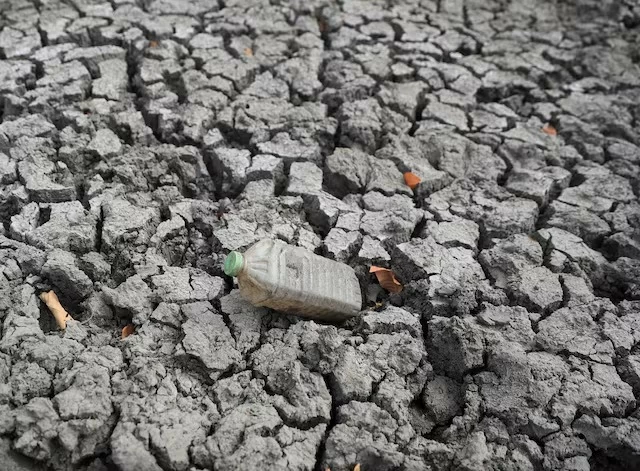
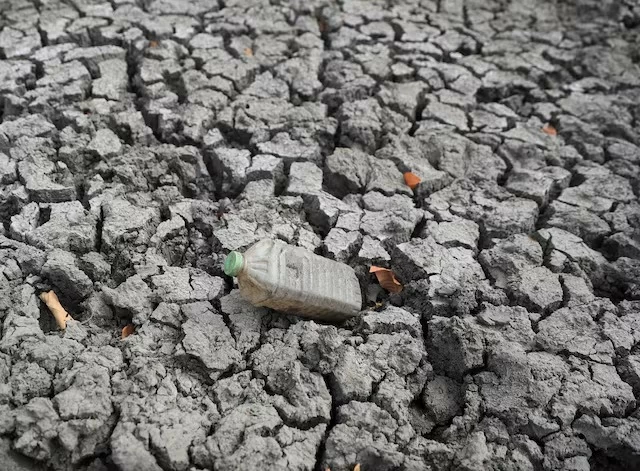
حذّرت المنظمة العالمية للأرصاد الجوية التابعة للأمم المتحدة من احتمال تطور ظاهرة «إل نينيو» إلى مستوى متوسط أو قوي خلال الأشهر القادمة، الأمر الذي قد يؤدي إلى ارتفاع درجات الحرارة العالمية وزيادة وتيرة الظواهر الجوية المتطرفة في العديد من مناطق العالم.
وتُعرف ظاهرة «إل نينيو» بأنها ارتفاع دوري في درجات حرارة سطح مياه المحيط الهادئ الاستوائي، خصوصاً في مناطقه الوسطى والشرقية، وتستمر عادة ما بين 9-12 شهراً، ما يؤثر بشكل مباشر في أنماط الطقس والمناخ حول العالم.
وأكدت المنظمة أن ارتفاع حرارة مياه المحيطات يسهم حالياً في تطور الظاهرة، متوقعة تسجيل درجات حرارة أعلى من المعدلات الطبيعية في معظم أنحاء العالم خلال الفترة من يونيو إلى أغسطس، مع احتمال استمرار تأثيرات «إل نينيو»حتى شهر نوفمبر القادم.
وقالت الأمينة العامة للمنظمة العالمية للأرصاد الجوية، سيليست ساولو، إن العالم بحاجة إلى الاستعداد لاحتمال حدوث ظاهرة «إل نينيو» قوية، محذرة من أنها قد تؤدي إلى تفاقم موجات الجفاف والأمطار الغزيرة وزيادة مخاطر موجات الحر على اليابسة وفي المحيطات.
اضطرابات مناخية واسعة
وتُعرف «إل نينيو» بتأثيرها الكبير على المناخ الإقليمي، إذ غالباً ما تتسبب في ارتفاع درجات الحرارة العالمية، مع زيادة معدلات هطول الأمطار في جنوب أمريكا الجنوبية وجنوب الولايات المتحدة وأجزاء من القرن الأفريقي وآسيا الوسطى.
في المقابل، قد تؤدي الظاهرة إلى موجات جفاف حادة في أستراليا وأمريكا الوسطى وإندونيسيا ومناطق من جنوب آسيا، كما تزيد من احتمالات تشكل الأعاصير في وسط وشرق المحيط الهادئ.
وأشارت المنظمة إلى أن آخر موجة من «إل نينيو»، التي امتدت بين عامي 2023 و2024، كانت أحد العوامل الرئيسية التي ساهمت في جعل عام 2024 الأكثر حرارة على الإطلاق منذ بدء تسجيل البيانات المناخية.
مخاطر صحية وغذائية متزايدة
وحذّرت ساولو من أن الحرارة الشديدة تُعد بالفعل من أخطر المخاطر المناخية على حياة البشر، مؤكدة أن ظاهرة «إل نينيو» قد تزيد من حدة هذه التهديدات.
وأضافت أن المخاطر المحتملة تشمل ارتفاع معدلات الأمراض المرتبطة بالحرارة، واتساع نطاق انتشار الأمراض المنقولة عبر الحشرات، فضلاً عن زيادة الضغوط على أنظمة الغذاء والمياه في العديد من الدول.
وقالت: «المجتمعات التي تعاني بالفعل من أزمات ومشكلات مناخية ستواجه ضغوطاً أكبر وقد تتجاوز حدود قدرتها على التكيف».
مؤشرات مقلقة في المحيط الهادئ
وأوضحت المنظمة أن المراقبة المناخية أظهرت تغيرات واضحة في المحيط الهادئ الاستوائي، إذ ارتفعت درجات حرارة سطح البحر بشكل سريع بين أواخر أبريل ومنتصف مايو، ما يشير إلى تطور ظروف مواتية لظهور «إل نينيو».
كما رصد العلماء درجات حرارة مرتفعة بشكل غير اعتيادي في الطبقات العميقة من المحيط الهادئ المداري، تجاوزت في بعض المناطق 6 درجات مئوية فوق المعدلات الطبيعية، وهو ما يشكل مخزوناً حرارياً كبيراً يغذي ارتفاع درجات حرارة المياه السطحية.
أقوى ظاهرة منذ عقد؟
وتوقعت بعض هيئات الأرصاد الوطنية أن يشهد العالم أقوى ظاهرة «إل نينيو» منذ نحو 10 سنوات، مع احتمال تعرض مناطق واسعة من آسيا خلال النصف الثاني من عام 2026 لطقس أكثر حرارة وجفافاً، ما قد يؤثر سلباً في المحاصيل الزراعية والإمدادات الغذائية.
غير أن المنظمة العالمية للأرصاد الجوية أكدت أن هناك قدراً من عدم اليقين بشأن قوة الظاهرة المتوقعة، مشيرة إلى أن بعض النماذج المناخية لا تزال تستبعد تطورها إلى مستويات شديدة.
من جانبه، دعا الأمين العام للأمم المتحدة، أنطونيو غوتيريش، إلى التعامل مع هذه التطورات باعتبارها إنذاراً مناخياً عاجلاً، مؤكداً أن ظاهرة «إل نينيو» ستفاقم آثار الاحترار العالمي، ومشدداً على ضرورة تسريع التحول من الوقود الأحفوري إلى مصادر الطاقة المتجددة.
ورغم عدم وجود أدلة علمية تؤكد أن تغير المناخ يزيد من تكرار أو شدة ظاهرة «إل نينيو» نفسها، فإن المنظمة تؤكد أن الاحترار العالمي يجعل آثارها المصاحبة، مثل موجات الحر الشديدة والأمطار الغزيرة، أكثر حدة وخطورة على المجتمعات والاقتصادات حول العالم.
The World Meteorological Organization (WMO), a part of the United Nations, has warned of the possibility that the “El Niño” phenomenon may develop to a moderate or strong level in the coming months, which could lead to an increase in global temperatures and a rise in the frequency of extreme weather events in many parts of the world.
The “El Niño” phenomenon is defined as a periodic rise in sea surface temperatures in the tropical Pacific Ocean, particularly in its central and eastern regions, and it typically lasts between 9 to 12 months, directly affecting weather and climate patterns around the world.
The organization confirmed that the rising temperatures of ocean waters are currently contributing to the development of the phenomenon, expecting to record temperatures higher than normal in most parts of the world during the period from June to August, with the possibility of the effects of “El Niño” continuing until next November.
The Secretary-General of the World Meteorological Organization, Celeste Saulo, stated that the world needs to prepare for the possibility of a strong “El Niño” event, warning that it could exacerbate droughts, heavy rainfall, and increase the risks of heatwaves on land and in oceans.
Widespread Climate Disruptions
“El Niño” is known for its significant impact on regional climates, often causing global temperatures to rise, along with increased rainfall in southern South America, the southern United States, parts of the Horn of Africa, and Central Asia.
Conversely, the phenomenon may lead to severe droughts in Australia, Central America, Indonesia, and parts of South Asia, while also increasing the likelihood of hurricanes forming in the central and eastern Pacific.
The organization noted that the last wave of “El Niño,” which extended from 2023 to 2024, was one of the main factors contributing to making 2024 the hottest year on record since climate data began being recorded.
Increasing Health and Food Risks
Saulo warned that extreme heat is already one of the most dangerous climate risks to human life, emphasizing that the “El Niño” phenomenon could intensify these threats.
She added that potential risks include rising rates of heat-related illnesses, the spread of insect-borne diseases, as well as increased pressures on food and water systems in many countries.
She stated, “Communities already suffering from climate crises and issues will face greater pressures and may exceed their capacity to adapt.”
Concerning Indicators in the Pacific
The organization explained that climate monitoring has shown clear changes in the tropical Pacific, with sea surface temperatures rising rapidly between late April and mid-May, indicating the development of favorable conditions for the emergence of “El Niño.”
Scientists have also observed unusually high temperatures in the deep layers of the tropical Pacific, exceeding 6 degrees Celsius above normal in some areas, which represents a significant thermal reservoir fueling the rise in surface water temperatures.
Strongest Event in a Decade?
Some national meteorological agencies have predicted that the world may experience the strongest “El Niño” event in about 10 years, with the possibility of large areas of Asia facing hotter and drier weather during the second half of 2026, which could negatively impact agricultural crops and food supplies.
However, the World Meteorological Organization confirmed that there is some uncertainty regarding the strength of the expected phenomenon, noting that some climate models still exclude its development to severe levels.
For his part, United Nations Secretary-General António Guterres called for treating these developments as an urgent climate warning, emphasizing that the “El Niño” phenomenon will exacerbate the effects of global warming, and stressing the need to accelerate the transition from fossil fuels to renewable energy sources.
Although there is no scientific evidence that climate change increases the frequency or intensity of the “El Niño” phenomenon itself, the organization asserts that global warming makes its accompanying effects, such as extreme heatwaves and heavy rainfall, more intense and dangerous for communities and economies around the world.