تدير طهران سياستها الراهنة في المنطقة بين حدين متناقضين تماماً؛ صمت ميداني يقابله ضجيج دبلوماسي. فكلما تصاعدت الهجمات والتهديدات الإسرائيلية ضد العاصمة بيروت أو الضاحية الجنوبية، انكفأ الفعل العسكري الإيراني خلف حسابات التراجع والحذر، بينما اندفعت الماكينة الدبلوماسية لتصنع ضجيجاً واسعاً عبر الإعلان عن تعليق المحادثات غير المباشرة ووقف تبادل الرسائل مع واشنطن، واشتراط لجم ضربات بيروت كشرط رئيسي للعودة إلى الطاولة. هذا التناقض يفضح سعياً حثيثاً تخوضه طهران لمصادرة الورقة اللبنانية مجدداً بعد أن كانت تمسك بكامل خيوط القرار.
ويتجلّى الإصرار الإيراني في الضغوط الميدانية والسياسية التي يمارسها حزب الله في بيروت لفرملة أي قرار رسمي مستقل؛ سعياً لإبقاء المسار اللبناني رهينة توقيت طهران التي تبدو مستعدة للمخاطرة باستقرار لبنان في سبيل عدم خسارة أثمن أوراق نفوذها الإقليمي قبل بدء البازار الدولي.
كذبة وحدة الساحات مع غزة
إن هذه الصياغة البراغماتية لإدارة الأزمات هي امتداد وإعادة إنتاج لنمط ثابت جرى تظهيره بوضوح من خلال ذلك «الطلاق الإستراتيجي» غير المعلن الذي عزل الحسابات الإيرانية عن ملف قطاع غزة. لسنوات طويلة، قُدّم القطاع في الخطاب الأيديولوجي كحصن متقدم لردع الخصوم وحماية الداخل الإيراني، وبرز ذلك تحديداً في مايو 2021 عندما استخدمت طهران قدرات غزة الصاروخية كأداة ضغط وتذكير بنفوذها الإقليمي بالتزامن مع انطلاق الجولات الأولى لإعادة إحياء الاتفاق النووي في فيينا.
ولكن، حين حانت لحظة الحقيقة في أكتوبر 2023، وواجهت غزة حرباً تدميرية غير مسبوقة استهدفت وجودها الجغرافي والديمغرافي، انكفأت طهران سريعاً خلف حدود «حساباتها الخاصة». وفي نوفمبر 2023، وخلال اللقاء الذي جمع القيادة الإيرانية بوفد الفصائل في طهران، أبلغت القيادة الإيرانية الجانب الفلسطيني صراحة بأنها لن تدخل الحرب مباشرة بالنيابة عن أحد لعدم إبلاغها بالتوقيت، مفضلة الانتقال إلى صمت فعلي تُرجم ميدانياً بإسناد منضبط ومحسوب بدقة لا يتجاوز حدود الحفاظ على قواعد الاشتباك التقليدية لحماية مصالحها الحيوية. هذا الانكفاء التاريخي أسس للمشهد الراهن الذي تتداخل فيه الحسابات الإقليمية المعقدة مع عودة إدارة ترمب إلى البيت الأبيض، حيث تُترك غزة اليوم تواجه مصيرها بمفردها وسط الركام، في حدث كشف الحدود الحقيقية لشعار «وحدة الساحات».
اختبار اتفاق واشنطن
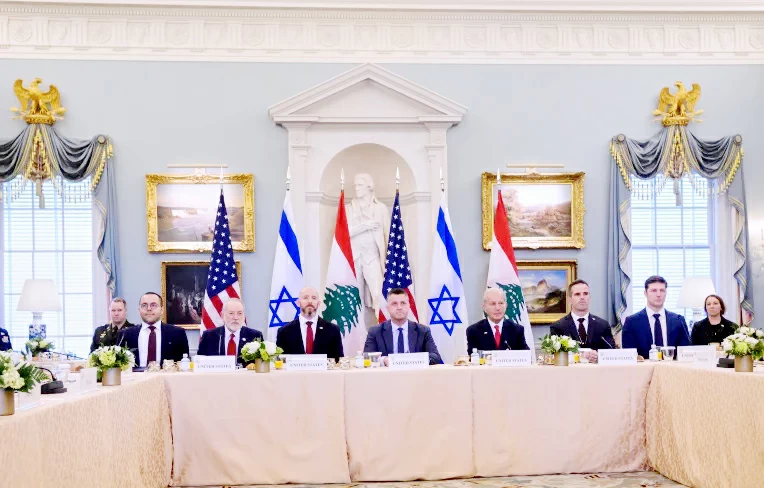
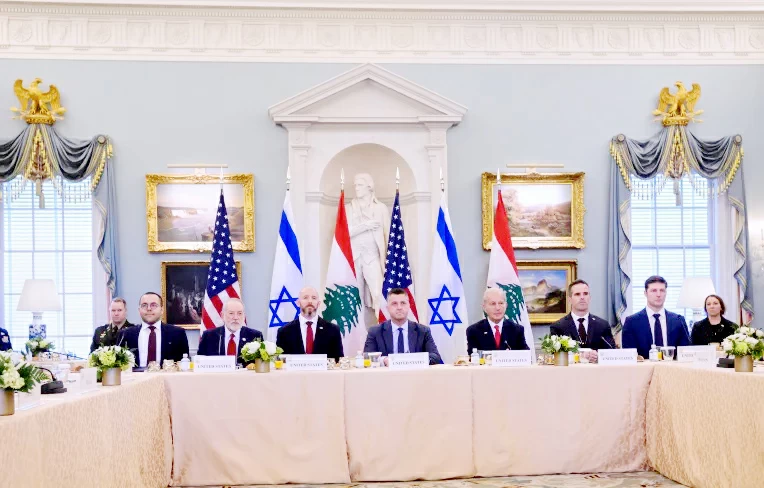
اليوم، يسير المشهد اللبناني على السكة ذاتها وبذات الآليات الممنهجة، وهو ما يضع بنود الاتفاق الأخير بين لبنان وإسرائيل علامات استفهام كبرى حوله. فالتسوية أو الاتفاق المطروح، والذي تضمّن بنداً يتعلق بمنح تل أبيب «حرية الحركة العسكرية» لمواجهة الخروقات، تُقرأ كمؤشر أولي على حدود التراجع التي قد تواجهها الساحات، حيث يبدو السلوك الدبلوماسي لطهران مستعداً لتمرير ترتيبات ميدانية قاسية بانتظار نضوج ظروف التفاوض الجدي مع واشنطن. هذا الواقع يضع الدولة اللبنانية ومؤسساتها في موقع حرج فوق طاولات التمهيد السياسي، بانتظار اتضاح التوقيت الذي تتبلور فيه التسويات الكبرى ومصير المكتسبات الإقليمية للنظام الإيراني.
ورغم أن هذا الاتفاق لم يدخل بعد طور الاختبار الحقيقي لقياس مدى صموده على الأرض، ولم تجلس طهران بعد على طاولة مفاوضات مباشرة وحاسمة مع إدارة ترمب، إلا أن سياق تمريره يعيد طرح السؤال المحوري: هل يواجه حلفاء إيران في لبنان تكرار سيناريو الانكفاء ذاته الذي شهدته غزة عندما تحين لحظة التفاهمات الإستراتيجية الكبرى؟
إن المعطيات هنا لا تنبع من رغبة في استباق الأحداث، بل من طبيعة البنية البراغماتية للسياسة الإيرانية التي تضع أمن نظامها دائماً كأولوية تتقدم على حسابات الأطراف. وتكمن الخطورة الصامتة في الفجوة العمومية بين الفصائل التي بنت خياراتها العقائدية على فرضية الشراكة الوجودية والمصير المشترك، وبين نظام في طهران يدير أزماته بعقلية «الوظيفة والتوظيف»، حيث بات واضحاً أن التضحيات تُعامل في لحظات المقايضة الكبرى كمجرد أوراق تفاوضية لرفع العقوبات وحماية الملف النووي.
سقوط وهم «الشراكة الوجودية»
تأسيساً على هذا الترابط، تتجاوز المقارنة بين غزة ولبنان حدود التشابه الظرفي لتصل إلى عمق العقيدة السياسية لطهران، فإذا كانت التجربة الفلسطينية قد رسمت الحدود الفعلية للالتزام الإيراني تجاه الحلفاء، فإن الديناميكية اللبنانية الراهنة وضعت هذا الالتزام تحت مجهر الاختبار الفعلي. والمفارقة هنا تجسدت في إعلان حزب الله رفضه للاتفاق المطروح. هذا الرفض، وإن بدا مواجهة ميدانية، لا يحجب حقيقة تحوّل الحزب إلى مجرد أداة وظيفية لامتصاص الصدمات وحماية رأس النظام الإيراني، بينما يقبع لبنان، كدولة وشعب يتطلعان إلى الخلاص من هذا النفوذ وصراعاته العبثية، تحت وطأة الانكشاف والدمار، في وقتٍ تواصل فيه طهران استخدام الساحة اللبنانية كإحدى أوراق الضغط لتحسين شروط تموضعها في بازاراتها الدولية القادمة مع واشنطن.
Tehran manages its current policy in the region between two completely contradictory extremes; a field silence matched by diplomatic noise. Whenever Israeli attacks and threats against the capital Beirut or the southern suburbs escalate, Iranian military action retreats behind calculations of withdrawal and caution, while the diplomatic machinery rushes forward to create widespread noise by announcing the suspension of indirect talks and halting the exchange of messages with Washington, conditioning the cessation of strikes on Beirut as a primary requirement for returning to the table. This contradiction exposes Tehran’s relentless pursuit to reclaim the Lebanese card after having held all the strings of decision-making.
The Iranian insistence is manifested in the field and political pressures exerted by Hezbollah in Beirut to curb any independent official decision; seeking to keep the Lebanese path hostage to Tehran’s timing, which seems ready to risk Lebanon’s stability in order not to lose its most valuable cards of regional influence before the international bazaar begins.
The Lie of the Unity of Fronts with Gaza
This pragmatic formulation of crisis management is an extension and reproduction of a fixed pattern that has been clearly highlighted through that unannounced “strategic divorce” that isolated Iranian calculations from the Gaza Strip file. For many years, the strip was presented in ideological discourse as an advanced fortress to deter adversaries and protect the Iranian interior, particularly evident in May 2021 when Tehran used Gaza’s missile capabilities as a pressure tool and a reminder of its regional influence coinciding with the initial rounds of reviving the nuclear agreement in Vienna.
However, when the moment of truth arrived in October 2023, and Gaza faced an unprecedented destructive war targeting its geographical and demographic existence, Tehran quickly retreated behind the boundaries of its “private calculations.” In November 2023, during a meeting that brought together the Iranian leadership with a delegation of factions in Tehran, the Iranian leadership explicitly informed the Palestinian side that it would not enter the war directly on behalf of anyone due to not being informed of the timing, preferring to move to actual silence translated on the ground with disciplined and precisely calculated support that does not exceed the limits of maintaining traditional rules of engagement to protect its vital interests. This historical retreat established the current scene where complex regional calculations intertwine with the return of Trump to the White House, leaving Gaza today to face its fate alone amidst the rubble, in an event that revealed the true limits of the slogan “Unity of Fronts.”
Testing the Washington Agreement
Today, the Lebanese scene is following the same path and the same systematic mechanisms, which raises major questions about the terms of the recent agreement between Lebanon and Israel. The settlement or proposed agreement, which included a clause regarding granting Tel Aviv “freedom of military movement” to confront violations, is read as a preliminary indicator of the limits of retreat that the fronts may face, as Tehran’s diplomatic behavior seems ready to pass harsh field arrangements while awaiting the maturation of serious negotiation conditions with Washington. This reality places the Lebanese state and its institutions in a precarious position at the political preparation tables, awaiting the clarification of the timing in which major settlements crystallize and the fate of the Iranian regime’s regional gains.
Although this agreement has not yet entered the phase of real testing to measure its resilience on the ground, and Tehran has not yet sat at a direct and decisive negotiation table with the Trump administration, the context of its passage raises the central question: Do Iran’s allies in Lebanon face a repetition of the same retreat scenario witnessed in Gaza when the moment of major strategic understandings arrives?
The data here does not stem from a desire to preempt events, but from the nature of the pragmatic structure of Iranian policy that always prioritizes the security of its regime over the calculations of the parties. The silent danger lies in the public gap between the factions that built their ideological choices on the premise of existential partnership and shared destiny, and a regime in Tehran that manages its crises with a “function and employment” mentality, where it has become clear that sacrifices are treated in moments of major bargaining as mere negotiating cards to lift sanctions and protect the nuclear file.
The Fall of the Illusion of “Existential Partnership”
Based on this interconnection, the comparison between Gaza and Lebanon transcends the limits of circumstantial similarity to reach the depth of Tehran’s political doctrine. If the Palestinian experience has drawn the actual limits of Iranian commitment towards its allies, the current Lebanese dynamic has placed this commitment under the microscope of actual testing. The paradox here is embodied in Hezbollah’s announcement of its rejection of the proposed agreement. This rejection, although it appears as a field confrontation, does not obscure the reality that the party has turned into merely a functional tool to absorb shocks and protect the head of the Iranian regime, while Lebanon, as a state and a people looking to free itself from this influence and its futile conflicts, remains under the weight of exposure and destruction, at a time when Tehran continues to use the Lebanese arena as one of its pressure cards to improve its positioning in the upcoming international bazaars with Washington.