

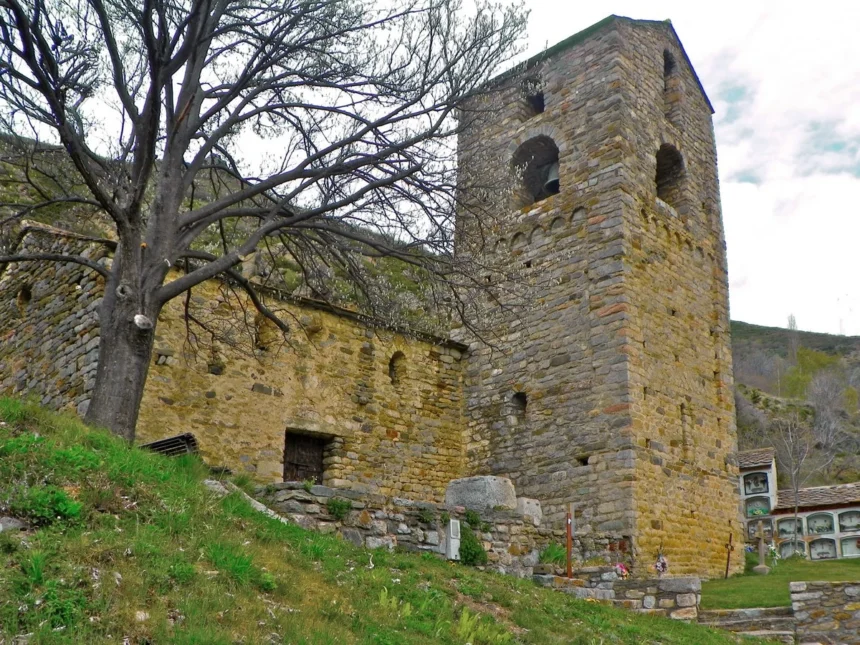
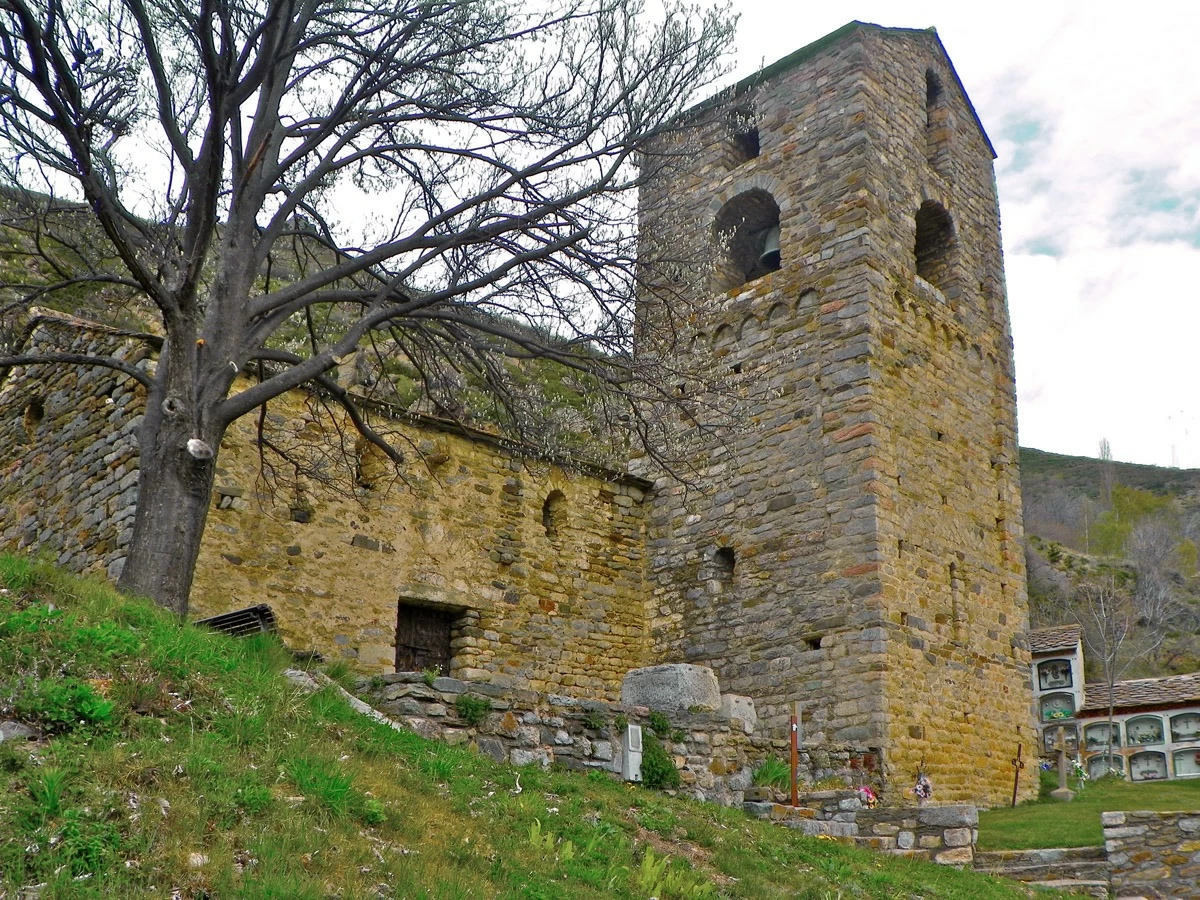
أعاد الجفاف القاسي الذي يضرب إقليم كتالونيا اكتشافاً أثرياً مذهلاً، حيث ظهر برج جرس كنيسة «سانت روما دي ساو» الرومانسكية القديمة مجدداً فوق سطح المياه في خزان ساو بمنطقة أوسونا شمال برشلونة.
وبعد أكثر من 60 عاماً من الغمر تحت مياه الخزان، عادت الكنيسة للظهور بشكل شبه كامل بسبب انخفاض مستوى المياه بشكل غير مسبوق.
وتعود كنيسة سانت روما دي ساو إلى القرن الحادي عشر، حيث تم تكريسها عام 1061 أو 1062، وتُعد بحسب الموسوعة الرسمية للأرقام القياسية أقدم كنيسة في العالم محفوظة قائمة تحت الماء.
كانت الكنيسة مغمورة على عمق يصل إلى 23 متراً منذ عام 1962، عندما قام نظام الجنرال فرانسيسكو فرانكو ببناء سد على نهر تير لإنشاء خزان ساو بهدف تأمين مياه الشرب لمدينة برشلونة.
قرية اختفت من الخريطة
وخلف برج الجرس البارز، تكمن قصة قرية كاملة اختفت تحت المياه. كان يعيش في سانت روما دي ساو نحو 300 نسمة في منتصف القرن العشرين، يعتمدون على الزراعة وتربية الماشية.
ومع تنفيذ المشروع المائي، تمت مصادرة المنازل والأراضي الزراعية، وأُجبر السكان على الرحيل قسراً دون تعويض كافٍ أو مشاركة في القرار.
ولم تكن سانت روما حالة استثنائية. فقد ابتلعت المياه خلال حقبة فرانكو نحو 500 قرية في مختلف أنحاء إسبانيا، نتيجة حملة بناء السدود والخزانات الضخمة، مما تسبب في نزوح عشرات الآلاف من السكان قسراً.
وخضعت الكنيسة لعملية ترميم جزئي عام 1999 باستخدام الخرسانة لتعزيز هيكلها المتضرر من عقود الغمر، ورغم أنها تعتبر رمزاً للصمود، إلا أن خبراء التراث يحذرون من أنها ليست أبدية، وتظل عرضة للتآكل.
The severe drought affecting the Catalonia region has led to an astonishing archaeological discovery, as the bell tower of the ancient Romanesque church of “Sant Roma de Sau” has re-emerged above the water surface in the Sau reservoir in the Osona area north of Barcelona.
After more than 60 years submerged under the reservoir’s waters, the church has reappeared almost completely due to an unprecedented drop in water levels.
The church of Sant Roma de Sau dates back to the 11th century, having been consecrated in 1061 or 1062, and is considered, according to the official encyclopedia of record numbers, the oldest church in the world preserved standing underwater.
The church had been submerged to a depth of up to 23 meters since 1962, when General Francisco Franco’s regime built a dam on the Ter River to create the Sau reservoir with the aim of securing drinking water for the city of Barcelona.
A Village Disappeared from the Map
Behind the prominent bell tower lies the story of an entire village that disappeared beneath the waters. About 300 people lived in Sant Roma de Sau in the mid-20th century, relying on agriculture and livestock farming.
With the implementation of the water project, homes and farmland were confiscated, and residents were forced to leave without adequate compensation or involvement in the decision-making process.
And Sant Roma was not an exceptional case. During Franco’s era, the waters swallowed around 500 villages across Spain due to a campaign of building dams and massive reservoirs, resulting in the forced displacement of tens of thousands of residents.
The church underwent partial restoration in 1999 using concrete to reinforce its structure, which had been damaged by decades of submersion, and although it is considered a symbol of resilience, heritage experts warn that it is not eternal and remains susceptible to erosion.