دخلت الحرب في إيران يومها المئة، الأحد، في ظل تصاعد التوترات وتبادل الضربات بين واشنطن وطهران، ووسط جمود مسار المفاوضات.
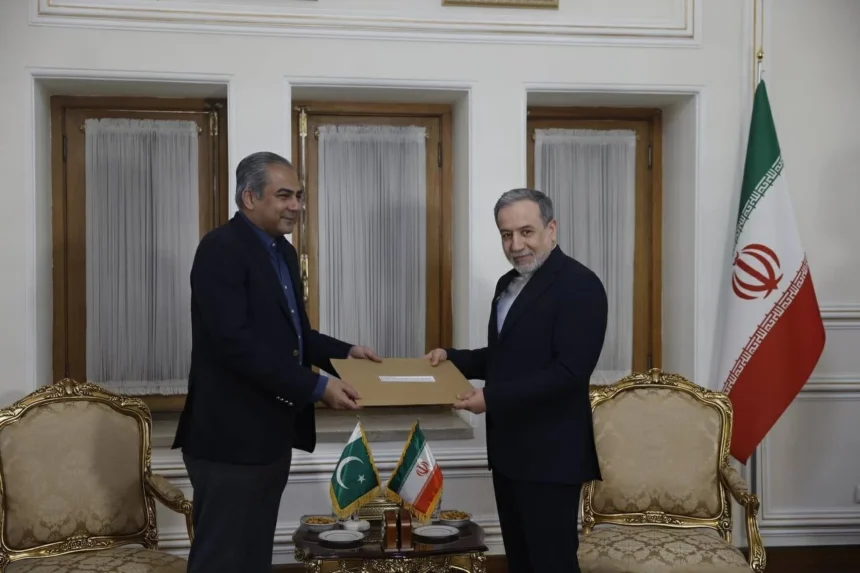
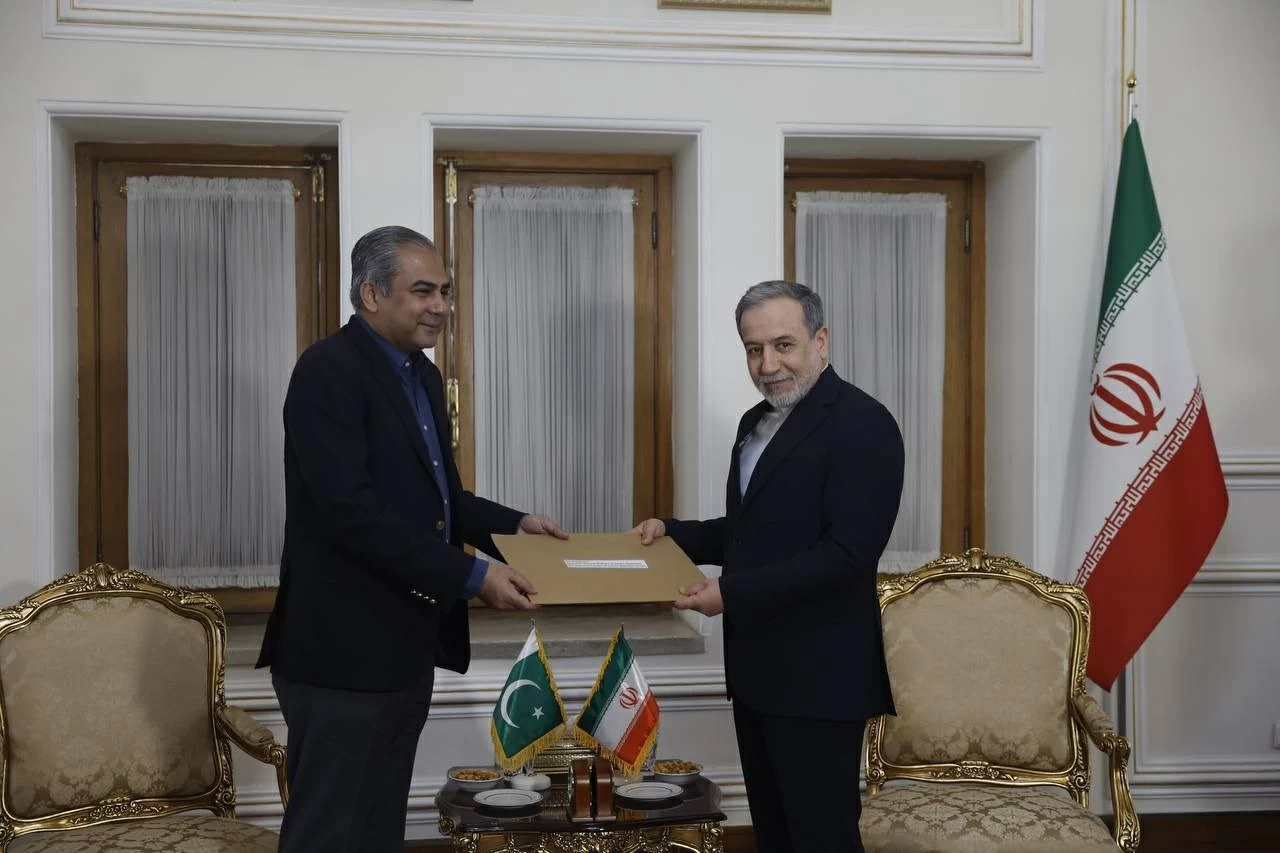
وسلم وزير داخلية باكستان محسن نقوي، الذي تقود بلاده الوساطة بين الطرفين في هذه الحرب، اليوم (الأحد)، المسؤولين في طهران رسالة من إسلام آباد إلى القيادة الإيرانية.
وأفصح مصدر دبلوماسي أن وزير الداخلية الباكستاني حمل رسالة خاصة وُصفت بـ«المهمة جداً» من قائد الجيش المشير عاصم منير إلى المرشد الإيراني مجتبى خامنئي بشأن موافقة أمريكا على تخفيف العقوبات.
ووصل نقوي إلى العاصمة الإيرانية طهران، أمس (السبت)، وكان في استقباله نظيره الإيراني إسكندر مؤمني.
ونقلت وكالة «رويترز» عن مصادر مطلعة أن الولايات المتحدة ستتيح استخدام أصول إيرانية لإعادة إعمار أضرار تسببت بها طهران في دول الخليج. وأضافت المصادر أن واشنطن تبحث إمكانية استخدام الأصول أيضاً لدعم إصلاح أي أضرار مستقبلية.
وكشفت الوكالة أن وزير الخزانة الأمريكي سكوت بيسنت وجّه فريقاً لتقييم تكاليف الأضرار التي ألحقتها إيران بالفعل، بالحلفاء في الخليج.
وكانت القيادة المركزية الأمريكية، أعلنت أن قواتها أسقطت، أمس (السبت)، طائرتين إيرانيتين مسيّرتين، كانتا تهددان حركة الملاحة البحرية الدولية في مضيق هرمز.
وأضافت القيادة أن القوات الأمريكية لا تزال في حالة تأهب واستعداد لمواصلة الدفاع ضد أي هجوم إيراني.
ومنذ وقف إطلاق النار في الثامن من أبريل، تخوض الولايات المتحدة وإيران محادثات بوساطة باكستانية، وسط تهديدات متبادلة ومناوشات عسكرية متقطعة، من دون أن ينجح الطرفان في التوصل إلى تفاهم ينهي الحرب التي أطلقتها واشنطن وإسرائيل على الجمهورية الإسلامية في 28 فبراير الماضي.
وأغلقت طهران مضيق هرمز منذ بدء الحرب، بينما تفرض واشنطن منذ أسابيع حصاراً على الموانئ الإيرانية.
وكان المستشار العسكري للمرشد الأعلى محسن رضائي، أعلن في مقابلة بثتها شبكة «سي إن إن» CNN الأمريكية، (الجمعة)، أن المفاوضات وصلت إلى طريق مسدود، داعياً الرئيس الأمريكي دونالد ترمب إلى الإفراج عن 24 مليار دولار من الأصول الإيرانية المجمّدة بموجب العقوبات الأمريكية «إن كان يرغب في التوصل لاتفاق».
ورغم تأكيد مصادر بأن المباحثات حققت تقدماً في الآونة الأخيرة، تبقى العديد من نقاط التباين بين واشنطن وطهران، منها قضية مضيق هرمز والبرنامج النووي، ومواصلة إسرائيل الحرب في لبنان على «حزب الله» حليف إيران.
The war in Iran entered its hundredth day on Sunday, amid escalating tensions and exchanges of strikes between Washington and Tehran, and a stalemate in the negotiations.
Pakistan’s Interior Minister Mohsin Naqvi, whose country is mediating between the two sides in this war, delivered a message from Islamabad to the Iranian leadership today (Sunday).
A diplomatic source revealed that the Pakistani interior minister carried a special message described as “very important” from Army Chief General Asim Munir to Iranian Supreme Leader Mojtaba Khamenei regarding America’s agreement to ease sanctions.
Naqvi arrived in the Iranian capital Tehran yesterday (Saturday), where he was received by his Iranian counterpart Iskander Momeni.
Reuters reported from informed sources that the United States will allow the use of Iranian assets for the reconstruction of damages caused by Tehran in Gulf countries. The sources added that Washington is also considering using the assets to support the repair of any future damages.
The agency revealed that U.S. Treasury Secretary Scott Piesen directed a team to assess the costs of the damages that Iran has already inflicted on allies in the Gulf.
The U.S. Central Command announced that its forces shot down two Iranian drones yesterday (Saturday), which were threatening international maritime navigation in the Strait of Hormuz.
The command added that U.S. forces remain on alert and prepared to continue defending against any Iranian attack.
Since the ceasefire on April 8, the United States and Iran have been engaged in Pakistani-mediated talks, amid mutual threats and intermittent military skirmishes, without either side succeeding in reaching an understanding to end the war that Washington and Israel launched against the Islamic Republic on February 28.
Tehran has closed the Strait of Hormuz since the war began, while Washington has been imposing a blockade on Iranian ports for weeks.
The military advisor to the Supreme Leader, Mohsen Rezaei, stated in an interview broadcast by CNN on Friday that the negotiations have reached a dead end, urging U.S. President Donald Trump to release $24 billion of Iranian assets frozen under U.S. sanctions “if he wishes to reach an agreement.”
Despite sources confirming that the talks have made progress recently, many points of divergence remain between Washington and Tehran, including the issue of the Strait of Hormuz, the nuclear program, and Israel’s continuation of the war in Lebanon against Hezbollah, Iran’s ally.