


في ضربة قضائية وأمنية مدوية هزت الأوساط المالية في الكويت، أسدلت محكمة الاستئناف الكويتية الستار على واحدة من أعقد قضايا الجريمة المنظمة العابرة للحدود؛ مصدرة أحكاماً نهائية صارمة قضت بحبس وتغريم شبكة دولية لإدارة القمار والمراهنات الإلكترونية، بعد نجاح الأجهزة السيادية في تفكيك لغز «الحوالات البديلة» والشركات الوهمية التي ابتلعت ملايين الدنانير في الظل.
بدأت القصة كشفرة رقمية معقدة خلف شاشات الحواسيب، حيث أدارت المنظمة موقعاً إلكترونياً عالمياً للعب القمار والمراهنات من خارج الكويت، لكنها زرعت «أخطبوطاً مالياً» داخل الكويت لإدارة العمليات النقدية السائلة بعيداً عن الرقابة المشددة لبنك الكويت المركزي.
كيف عبرت ملايين القمار إلى البنوك؟
كشفت تحريات المباحث وأمن الدولة المخطط الشيطاني المعقد الذي اتبعه المتهمون لشرعنة أموالهم الحرام:
- الوكيل السري والمساعدون: اعتمدت الشبكة على متهم سوري الجنسية ليكون هو «الوكيل الحصري» للموقع داخل الكويت، وعاونه في العمليات اللوجستية متهمان من الجنسية المصرية.
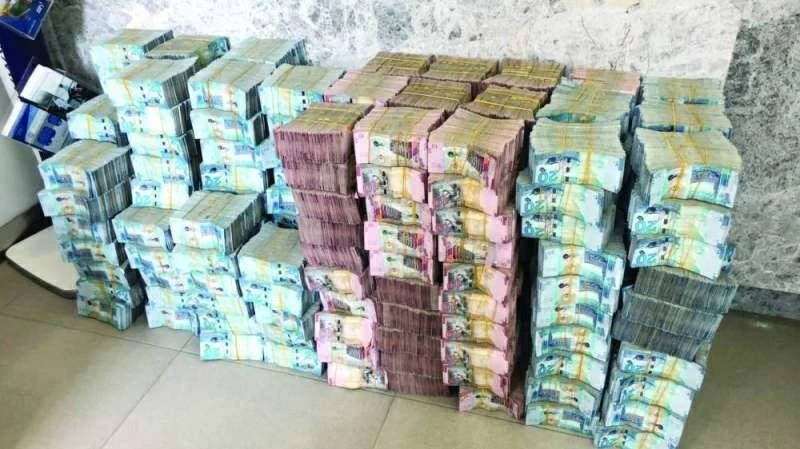
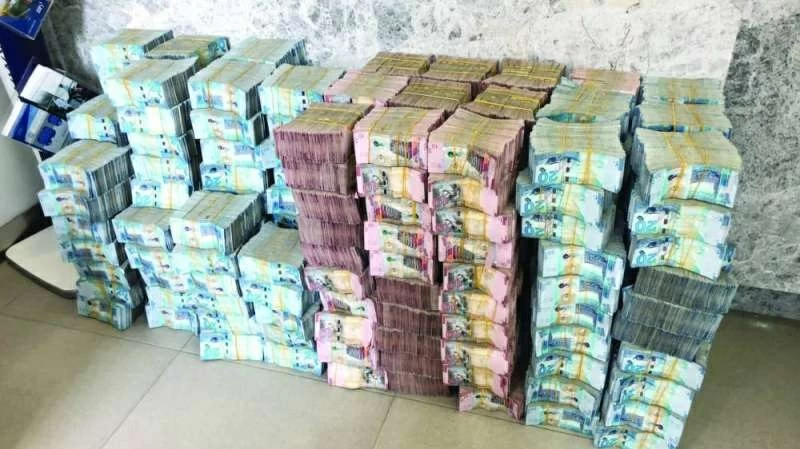
- الكاش الطائر والفواتير المزيفة: كان المتهمون يتسلمون أموال الاشتراكات من المراهنين في الكويت، ويقومون بتسليم الفائزين أرباحهم نقداً «كاش يد بيد». ولإدخال الملايين المتراكمة إلى النظام المصرفي القانوني دون إثارة الشبهات، أنشأوا 5 شركات تجزئة وهمية، وقاموا بضخ الأموال في البنوك عبر «فواتير شراء مزورة» لسلع وبضائع لا وجود لها في الواقع، محققين عمليات تداول وغسل أموال تجاوزت 8 ملايين و419 ألف دينار كويتي.
لكن الاستنفار المشترك بين قطاع المباحث الجنائية وجهاز أمن الدولة قاد إلى اختراق الشبكة الرقمية، وتتبع حركة الأموال السائلة، وضبط المحررات والأدوات المستخدمة في التزوير، ليصدر القضاء كلمته الفصل التي حطمت أوهام الثراء السريع:
- عقوبات مشددة: قضت المحكمة بحبس المتهمين الثلاثة (السوري والمصريين) لمدة 7 سنوات مع الشغل والنفاذ.
- غرامات فلكية: إلزام المتهمين بتغريمهم متضامنين مبلغاً مرعباً قدره 16 مليوناً و839 ألف دينار، مع تغريم الشركات الخمس الوهمية مبلغ 8 ملايين و419 ألف دينار.
ولم تتوقف العقوبة عند حد السجن والغرامة، بل أمرت المحكمة بمصادرة جميع الأموال محل الغسل والمتحصلة منها، سواء كانت داخل دولة الكويت أو في حسابات دولية وعقارات في الخارج، إلى جانب مصادرة كافة المحررات المزورة والأجهزة التكنولوجية.
وجاء السطر الأخير في الحكم ليوجه الضربة القاضية للمتهمين، بالنص على إبعادهم عن أراضي دولة الكويت فوراً عقب تنفيذهم عقوبة الحبس، ونشر الحكم القضائي كاملاً في الجريدة الرسمية على نفقتهم الخاصة، لتتحول هذه القضية إلى عبرة ونموذج تكنولوجي يؤكد أن عباءة «الدارك ويب» والحوالات البديلة لا يمكنها حجب الجريمة عن أعين الجهات الأمنية.
In a resounding judicial and security blow that shook the financial circles in Kuwait, the Kuwaiti Court of Appeals has drawn the curtain on one of the most complex cases of transnational organized crime; issuing strict final rulings that sentenced an international network for managing gambling and electronic betting to imprisonment and fines, after the sovereign agencies successfully unraveled the mystery of “alternative remittances” and the fictitious companies that swallowed millions of dinars in the shadows.
The story began as a complex digital code behind computer screens, where the organization managed a global gambling and betting website from outside Kuwait, but planted a “financial octopus” within Kuwait to manage liquid cash operations away from the stringent oversight of the Central Bank of Kuwait.
How did millions from gambling reach the banks?
Investigations by the Criminal Investigations Department and State Security revealed the complex devilish scheme followed by the accused to legitimize their illicit funds:
- The secret agent and assistants: The network relied on a Syrian national to be the “exclusive agent” for the website within Kuwait, assisted in logistical operations by two Egyptian nationals.
- Cash on hand and fake invoices: The accused received subscription money from bettors in Kuwait and handed out winnings in cash “hand to hand.” To introduce the accumulated millions into the legal banking system without raising suspicions, they created five fictitious retail companies and funneled money into banks through “forged purchase invoices” for goods and products that did not exist, achieving trading and money laundering operations exceeding 8 million and 419 thousand Kuwaiti dinars.
However, the joint mobilization between the Criminal Investigations Sector and the State Security Agency led to the infiltration of the digital network, tracking the flow of liquid funds, and seizing the documents and tools used in the forgery, leading the judiciary to issue a decisive ruling that shattered the illusions of quick wealth:
- Severe penalties: The court sentenced the three defendants (the Syrian and the Egyptians) to 7 years in prison with hard labor.
- Astronomical fines: The defendants were ordered to jointly pay a terrifying amount of 16 million and 839 thousand dinars, along with fining the five fictitious companies an amount of 8 million and 419 thousand dinars.
The punishment did not stop at imprisonment and fines; the court also ordered the confiscation of all funds subject to laundering and those obtained from it, whether within the State of Kuwait or in international accounts and properties abroad, in addition to the confiscation of all forged documents and technological devices.
The final line in the ruling dealt a fatal blow to the defendants, stipulating their immediate expulsion from the territory of the State of Kuwait upon serving their prison sentences, and the publication of the full judicial ruling in the official gazette at their own expense, turning this case into a lesson and a technological model that confirms that the cloak of the “dark web” and alternative remittances cannot conceal crime from the eyes of security authorities.