

في صيف عام 1970، كانت البرازيل تكتب أحد أكثر الفصول خلوداً في تاريخ كرة القدم. في المكسيك، رفع بيليه ورفاقه كأس العالم، بينما وقف المدرب ماريو زاغالو على خط التماس شاهداً على ولادة منتخب أصبح لاحقاً معياراً للجمال الكروي. لكن خلف تلك الصورة الشهيرة، كان هناك رجل آخر، غائب عن المشهد وحاضر في كل تفاصيله: جواو سالدانيا.
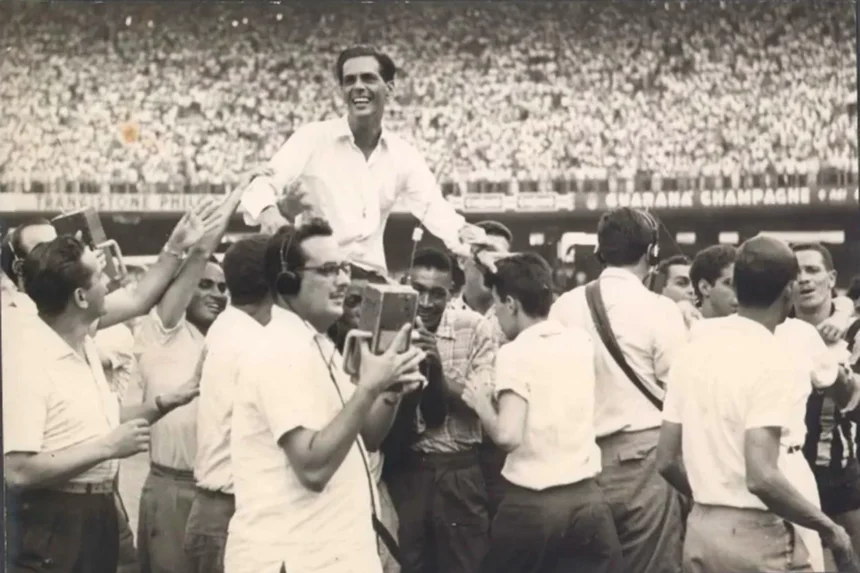
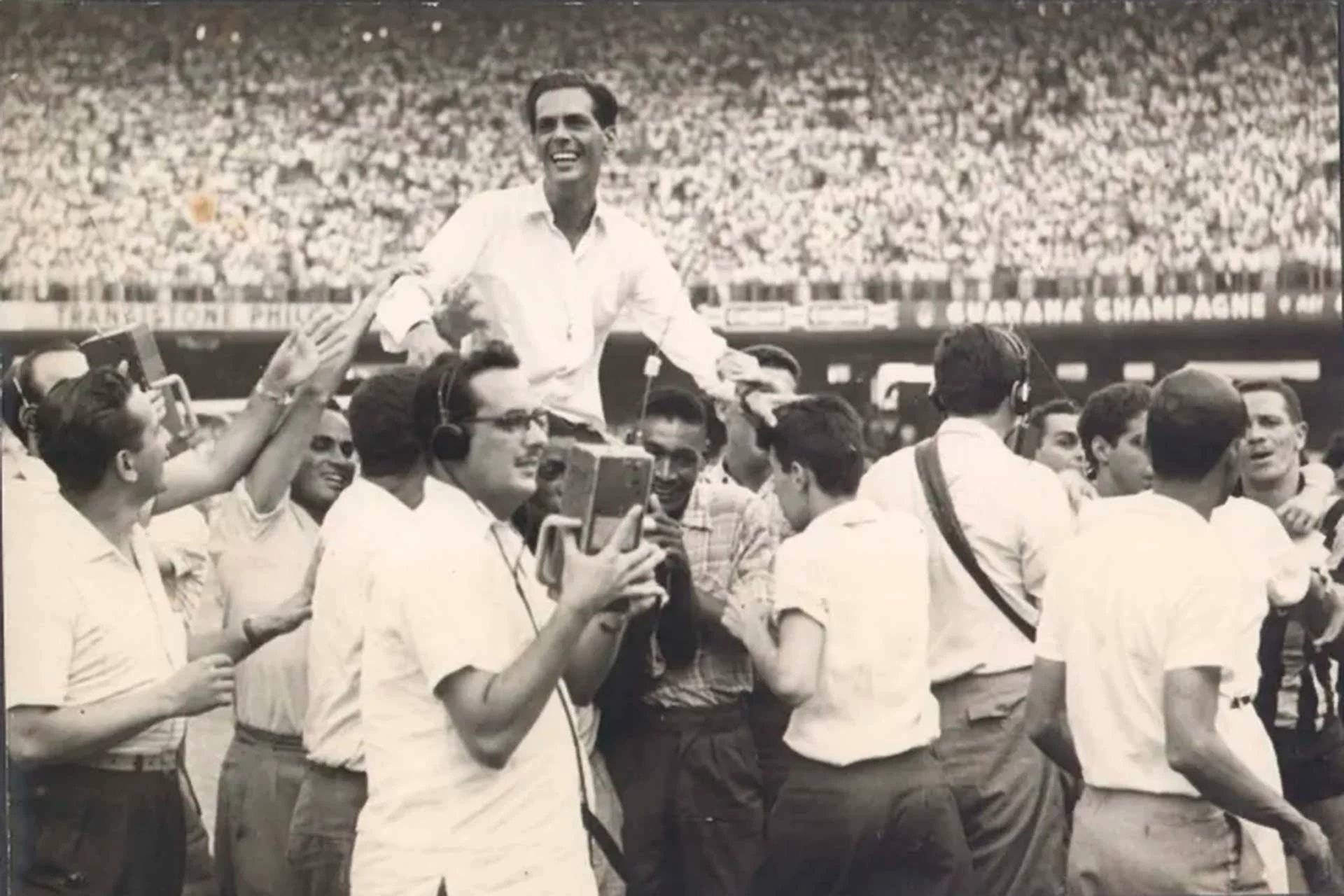
لم يكن سالدانيا مدرباً تقليدياً، كان صحافياً ومعلقاً ومفكراً سياسياً وصاحب شخصية صدامية لا تعرف المساومة. منذ بداياته في ريو دي جانيرو، آمن بأن كرة القدم ليست مجرد لعبة، بل مرآة للمجتمع والسياسة والثقافة. لهذا اكتسب مكانة استثنائية في الصحافة الرياضية البرازيلية، إذ فضّل التحليل والعقل على الشعارات والعواطف السائدة.
بعد الإخفاق المؤلم للبرازيل في مونديال 1966، كانت الكرة البرازيلية تبحث عن خلاصها. وفي عام 1969، وقع الاختيار على سالدانيا لقيادة المنتخب الوطني. بدا القرار محفوفاً بالمخاطر؛ فالرجل معروف بحدة آرائه واستقلاليته الصارمة، لكن النتائج جاءت مبهرة؛ فاز المنتخب بجميع مبارياته في التصفيات، وبدأت ملامح فريق أسطوري تتشكل تحت قيادته، يضم بيليه وجاييرزينيو وتوستاو وجيرسون وريفيلينو وكارلوس ألبرتو توريس.
غير أن نجاحه الفني لم يكن كافياً لحمايته من العواصف التي كانت تعصف بالبرازيل آنذاك؛ فقد كان عضواً معلناً في الحزب الشيوعي البرازيلي، في وقت كانت البلاد ترزح تحت حكم عسكري شديد القبضة. وبين أروقة السياسة ومكاتب المسؤولين الرياضيين، أخذت الخلافات تتفاقم.
ارتبط اسم سالدانيا بإحدى أشهر الحكايات في تاريخ الكرة البرازيلية. فعندما حاول الرئيس إميليو غاراستازو ميديتشي التدخل في شؤون المنتخب، نُسب إليه رد أصبح جزءاً من الذاكرة الوطنية: «الرئيس يختار وزراءه، وأنا أختار فريقي». سواء قيلت العبارة حرفياً أم صاغتها الرواية الشعبية لاحقاً، فإنها جسدت صورته كرجل يرفض الخضوع للنفوذ مهما كان مصدره.
قبل أشهر قليلة من انطلاق كأس العالم، أُقيل سالدانيا من منصبه. تولى زاغالو المهمة وقاد المنتخب إلى اللقب، لكن الفريق الذي أبهر العالم كان، إلى حد كبير، امتداداً للرؤية التي وضعها سلفه.
تكمن المفارقة التاريخية في أن انتصار 1970 تحول إلى أحد أبرز رموز النظام العسكري البرازيلي، بينما كان المهندس الأول لذلك المنتخب شيوعياً صريحاً ومعارضاً للسلطة. وبين هذين النقيضين تتجلى جاذبية شخصية سالدانيا.
لقد بقي اسمه حياً ليس لأنه فاز بكأس العالم، بل لأنه لم يفز بها. لأنه الرجل الذي صنع الحلم ثم شاهد تحققه من بعيد. وفي قصة مليئة بالنجوم والأساطير، يظل جواو سالدانيا من أكثر الشخصيات إثارة للفضول؛ الرجل الذي بنى أعظم منتخب في التاريخ، لكنه لم يكن حاضراً لحظة رفع الكأس.
In the summer of 1970, Brazil was writing one of the most enduring chapters in the history of football. In Mexico, Pelé and his teammates lifted the World Cup, while coach Mário Zagallo stood on the sidelines witnessing the birth of a team that would later become a standard of football beauty. But behind that famous image, there was another man, absent from the scene yet present in every detail: João Saldanha.
Saldanha was not a traditional coach; he was a journalist, commentator, political thinker, and a confrontational personality who knew no compromise. From his beginnings in Rio de Janeiro, he believed that football was not just a game, but a mirror of society, politics, and culture. For this reason, he gained an exceptional status in Brazilian sports journalism, as he preferred analysis and reason over prevailing slogans and emotions.
After Brazil’s painful failure in the 1966 World Cup, Brazilian football was searching for its redemption. In 1969, Saldanha was chosen to lead the national team. The decision seemed fraught with risks; the man was known for his sharp opinions and strict independence, but the results were impressive; the team won all its matches in the qualifiers, and the features of a legendary team began to take shape under his leadership, including Pelé, Jairzinho, Tostão, Gérson, Rivellino, and Carlos Alberto Torres.
However, his artistic success was not enough to protect him from the storms that were sweeping Brazil at the time; he was an openly declared member of the Brazilian Communist Party, at a time when the country was under a tightly controlled military regime. Amid the corridors of politics and the offices of sports officials, disagreements began to escalate.
Saldanha’s name became associated with one of the most famous stories in the history of Brazilian football. When President Emílio Garrastazu Médici attempted to interfere in the team’s affairs, he was attributed with a response that became part of the national memory: “The president chooses his ministers, and I choose my team.” Whether the phrase was said literally or later shaped by popular narrative, it embodied his image as a man who refused to submit to influence, no matter its source.
A few months before the World Cup kicked off, Saldanha was dismissed from his position. Zagallo took over the task and led the team to the title, but the team that dazzled the world was, to a large extent, an extension of the vision set by his predecessor.
The historical irony lies in the fact that the victory of 1970 became one of the most prominent symbols of the Brazilian military regime, while the chief architect of that team was an outspoken communist and opponent of the authority. Between these two opposites, the allure of Saldanha’s personality is revealed.
His name has remained alive not because he won the World Cup, but because he did not win it. He is the man who created the dream and then watched it come true from afar. In a story filled with stars and legends, João Saldanha remains one of the most intriguing figures; the man who built the greatest team in history, yet was not present at the moment the cup was lifted.