

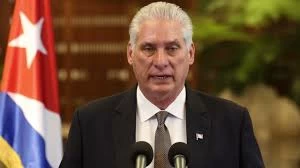
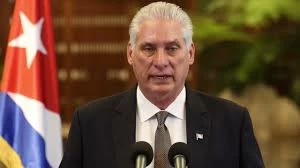
كشف الرئيس الكوبي ميغيل دياز كانيل أن الولايات المتحدة تدرس 3 سيناريوهات لإسقاط بلاده، تشمل: تهيئة الظروف لانفجار اجتماعي عبر ضغوط اقتصادية، السيطرة على الاقتصاد، أو اللجوء إلى عدوان عسكري.
وقال في مقابلة نشرها، أمس، موقع «أليداريو» الإسباني: إن هذه السيناريوهات تأتي بدافع سعي الرئيس الأمريكي دونالد ترمب للضغط من أجل تغيير النظام في الجزيرة، التي يتولى فيها الشيوعيون زمام الأمور منذ أن قاد رئيسها الراحل فيدل كاسترو ثورة فيها عام 1959.
وأفاد دياز بأن أحد السيناريوهات الأمريكية هو الدفع نحو انفجار اجتماعي عبر خنق الاقتصاد، ليمنح الولايات المتحدة ذريعة من أجل التدخل في البلاد تحت غطاء المساعدات الإنسانية.
وحسب الرئيس الكوبي، فإن السيناريو الثاني يقوم على «حوار قسري» مصحوب بـ«أقصى درجات الضغط» على اقتصاد الجزيرة. وتهدف هذه الإستراتيجية إلى «السيطرة على الاقتصاد الكوبي»، تمهيداً لـ«تغيير النظام السياسي» في نهاية المطاف.
ويجري الحديث عن هذا السيناريو في وقت أعلنت شركات أجنبية عدة- بما فيها مجموعات فنادق دولية- انسحاباً جزئياً أو كلياً من كوبا، خوفاً من عقوبات أمريكية محتملة.
وفيما يتعلق بالسيناريو الثالث، أثار الرئيس الكوبي احتمال شن الولايات المتحدة عدواناً عسكرياً على كوبا.
واعتبر أن هذه الفرضيات لم يختلقها الكوبيون، بل تستند إلى تصريحات متكررة من وزير الخارجية الأمريكي ماركو روبيو والرئيس الأمريكي دونالد ترمب.
وفي مواجهة هذه الاحتمالات، شدد الرئيس الكوبي على ضرورة أن تستعد البلاد للدفاع عن نفسها من أجل تجنب أي «مفاجأة» أو «هزيمة».
وتفرض الولايات المتحدة حصاراً فعلياً على كوبا عبر التهديد بفرض عقوبات على الدول التي تزودها بالوقود، مما تسبب في انقطاع التيار الكهربائي وتفاقم أسوأ أزمة تشهدها البلاد منذ عقود.
وأعلنت واشنطن حزمة عقوبات استهدفت كيانات ومسؤولين كوبيين، إضافة إلى توجيه القضاء الأمريكي لائحة اتهام بحق الرئيس السابق راؤول كاسترو في قضية تعود إلى عام 1996.
وتعتبر إدارة الرئيس دونالد ترمب الجزيرة الشيوعية الواقعة على مسافة 150 كيلومتراً قبالة سواحل فلوريدا «تهديداً استثنائياً» للأمن القومي الأمريكي. ورغم هذه التوترات، تؤكد الحكومتان استمرار التواصل الدبلوماسي بينهما.
Cuban President Miguel Díaz-Canel revealed that the United States is considering three scenarios to undermine his country, which include: creating conditions for a social explosion through economic pressures, controlling the economy, or resorting to military aggression.
In an interview published yesterday by the Spanish website “El Diario,” he stated that these scenarios stem from U.S. President Donald Trump’s efforts to pressure for regime change on the island, which has been under communist rule since the late Fidel Castro led a revolution there in 1959.
Díaz-Canel noted that one of the U.S. scenarios is to push for a social explosion by suffocating the economy, thus giving the United States a pretext to intervene in the country under the guise of humanitarian aid.
According to the Cuban president, the second scenario involves “coercive dialogue” accompanied by “maximum pressure” on the island’s economy. This strategy aims to “control the Cuban economy,” paving the way for “political regime change” ultimately.
This scenario is being discussed at a time when several foreign companies—including international hotel groups—have announced partial or complete withdrawals from Cuba, fearing potential U.S. sanctions.
Regarding the third scenario, the Cuban president raised the possibility of the United States launching a military aggression against Cuba.
He argued that these hypotheses were not invented by Cubans but are based on repeated statements from U.S. Secretary of State Marco Rubio and President Donald Trump.
In light of these possibilities, the Cuban president emphasized the need for the country to prepare to defend itself to avoid any “surprise” or “defeat.”
The United States imposes an effective blockade on Cuba by threatening to impose sanctions on countries that supply it with fuel, leading to power outages and exacerbating the worst crisis the country has faced in decades.
Washington announced a package of sanctions targeting Cuban entities and officials, in addition to the U.S. judiciary filing charges against former President Raúl Castro in a case dating back to 1996.
The Trump administration considers the communist island, located 150 kilometers off the coast of Florida, to be an “extraordinary threat” to U.S. national security. Despite these tensions, both governments affirm the continuation of diplomatic communication between them.