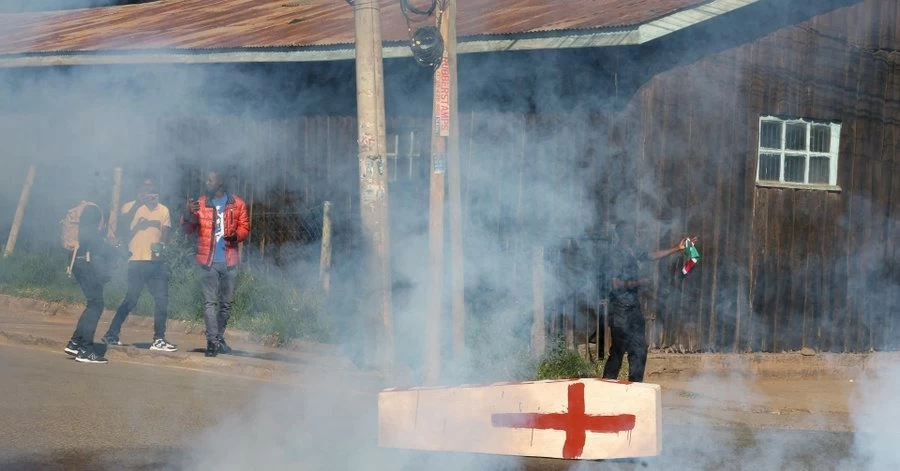
شهدت مدينة نانيوكي في وسط كينيا احتجاجات شعبية حاشدة وعنيفة، تحوّلت إلى أحداث دامية، ضد خطة أمريكية-كينية مشتركة لإنشاء مركز حجر صحي لعزل الأمريكيين الذين تعرّضوا لفايروس الإيبولا القادمين من جمهورية الكونغو الديمقراطية وأوغندا.
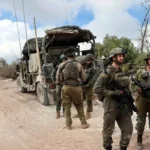
ويقضي المشروع المثير للجدل بإقامة وحدة حجر صحي تضم نحو 50 سريراً داخل القاعدة العسكرية، لاستقبال الأمريكيين الذين تعرّضوا للفايروس في مناطق الوباء شرق الكونغو دون ظهور أعراض عليهم بعد.
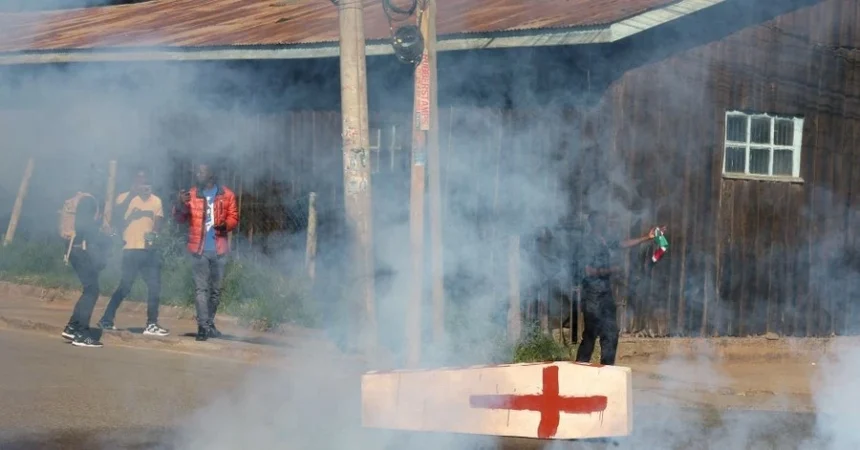
وتجمع مئات الشباب والسكان المحليين أمام قاعدة لايكيبيا الجوية القريبة من المدينة، مرددين هتافات مثل «لا للإيبولا الأمريكي على أرضنا» و«كينيا ليست مكب نفايات صحية»، وأحرق المتظاهرون إطارات السيارات وأقاموا حواجز، مما أدى إلى شل حركة المدينة جزئياً.
وأسفرت المواجهات مع قوات الأمن عن مقتل شخصين على الأقل برصاص الشرطة، وإصابة آخرين، بحسب منظمي الاحتجاجات وتقارير إعلامية. كما أدت الاحتجاجات إلى اعتقالات متفرقة في الأيام اللاحقة.
ودافع الرئيس الكيني ويليام روتو ووزير الصحة أدين دوالي عن الخطة، مؤكدين أن المركز ليس مخصصاً للأمريكيين فقط، بل سيعزز قدرات كينيا في مواجهة أي تفشٍّ محتمل للإيبولا.
لكن السكان المحليين يرفضون هذا التفسير، معتبرين أن المركز يمثل خطراً صحياً مباشراً على مدينتهم الخالية حالياً من الإيبولا، وأنه يعكس «تمييزاً» بين الأجانب والكينيين، إذ يخشى المتظاهرون تسرب الفايروس إلى المجتمع المحلي، خصوصاً في منطقة تعتمد على السياحة والزراعة.
وتدخلت المحكمة العليا الكينية بسرعة، وأصدرت أمراً بوقف مؤقت لأعمال البناء والتشغيل، مطالبة الحكومة بكشف تفاصيل الاتفاق مع الولايات المتحدة، ومدّدت المحكمة هذا التعليق لأسابيع إضافية، وسط اتهامات بتجاهل السلطات للقرار القضائي.
يأتي هذا الجدل في وقت تشهد فيه جمهورية الكونغو الديمقراطية تفشياً كبيراً لوباء الإيبولا، مع مئات الحالات المشتبه بها، وتسعى الولايات المتحدة لتأمين أماكن آمنة لحجر مواطنيها العاملين في مناطق الخطر (دبلوماسيين، عسكريين، ومنظمات إغاثة).
The city of Nanyuki in central Kenya witnessed massive and violent popular protests, which turned into bloody events, against a joint American-Kenyan plan to establish a quarantine center to isolate Americans who have been exposed to the Ebola virus coming from the Democratic Republic of the Congo and Uganda.
The controversial project involves the establishment of a quarantine unit with about 50 beds inside the military base, to accommodate Americans who have been exposed to the virus in the epidemic areas of eastern Congo without showing symptoms yet.
Hundreds of young people and local residents gathered in front of the nearby Laikipia Air Base, chanting slogans such as “No to American Ebola on our land” and “Kenya is not a health waste dump,” while protesters burned tires and set up barricades, partially paralyzing the city’s movement.
The confrontations with security forces resulted in the deaths of at least two people from police gunfire, and injuries to others, according to protest organizers and media reports. The protests also led to sporadic arrests in the following days.
Kenyan President William Ruto and Health Minister Aden Duale defended the plan, emphasizing that the center is not exclusively for Americans but will enhance Kenya’s capabilities to face any potential outbreak of Ebola.
However, local residents reject this explanation, considering that the center poses a direct health risk to their city, which is currently free of Ebola, and that it reflects “discrimination” between foreigners and Kenyans, as protesters fear the virus could spill over into the local community, especially in an area reliant on tourism and agriculture.
The Kenyan Supreme Court intervened quickly, issuing a temporary order to halt construction and operation, demanding the government disclose details of the agreement with the United States, and the court extended this suspension for additional weeks amid accusations of the authorities ignoring the judicial decision.
This controversy comes at a time when the Democratic Republic of the Congo is experiencing a significant outbreak of the Ebola epidemic, with hundreds of suspected cases, and the United States is seeking to secure safe places to quarantine its citizens working in high-risk areas (diplomats, military personnel, and relief organizations).