

أعلنت وكالة استكشاف الفضاء اليابانية «جاكسا» اليوم، عن النجاح الكامل لإطلاق الصاروخ الفضائي الجديد H3 في رحلته السادسة، وعودته إلى مدارات الفضاء بعد معالجة الخلل الفني الذي تسبب في تعثر مهمته السابقة في ديسمبر الماضي.
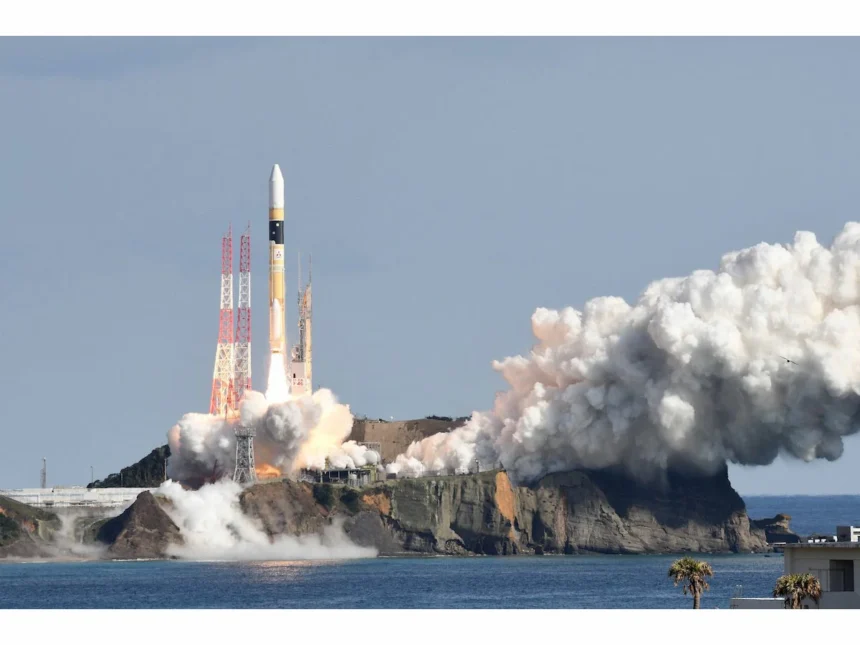
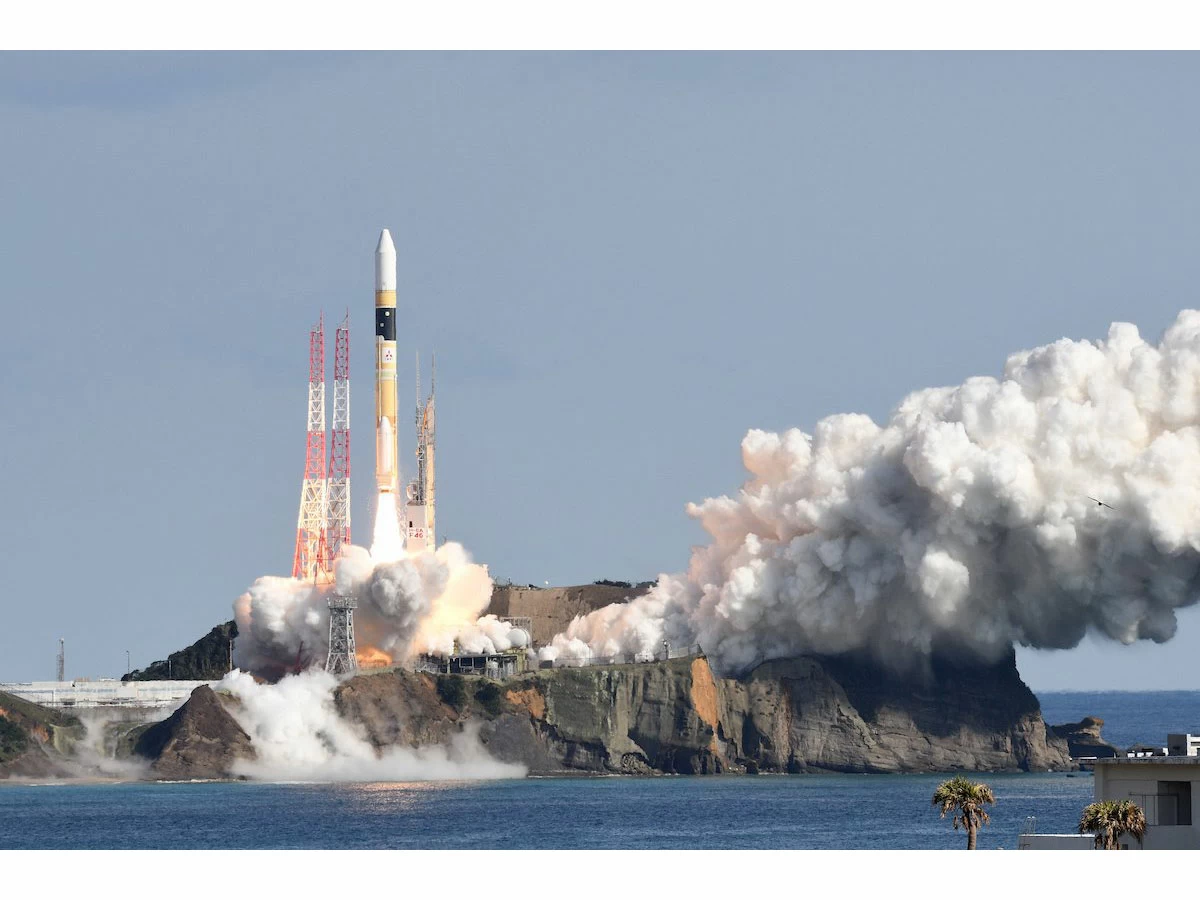
وأوضحت الوكالة، أن الصاروخ انطلق بنجاح لوضع ستة أقمار صناعية صغيرة في مداراتها المحددة بدقة على ارتفاع 580 كيلومتراً، وذلك من مجمع الإطلاق التابع لمركز تانيغاشيما الفضائي الواقع في محافظة«كاغوشيما» جنوب غربي البلاد محققاً كافة أهدافه الرئيسية للرحلة.
وشهدت هذه المهمة الفضائية الاعتماد لأول مرة على النسخة المطورة التي تحمل اسم طراز 30، وهي فئة مبتكرة ومنخفضة التكلفة من الصاروخ تعمل بثلاثة محركات دفع سائل رئيسية (LE-9) دون الحاجة إلى معززات الصواريخ الصلبة الجانبية التقليدية.
وتستهدف اليابان من خلال هذه النسخة المطورة تخفيض نفقات الإطلاق بنسبة تصل إلى النصف مقارنة بالطرازات السابقة، لتزويد الأسواق العالمية بخدمات نقل فضائي تجارية وعلمية أكثر مرونة وأقل كلفة، بما يسمح بمنافسة الكيانات الفضائية الكبرى.
وأشارت الوكالة، إلى أن هذا الإطلاق يمثل نقطة تحول استراتيجية لبرنامج الفضاء الياباني، حيث أعاد الثقة الكاملة لسلسلة صواريخ H3 بعد ستة أشهر من التحقيقات المكثفة والتعديلات الفنية التي أُجريت عقب تعثر المهمة السابقة في ديسمبر الماضي.
وتخطط الحكومة اليابانية بالتعاون مع شركة «ميتسوبيشي للصناعات الثقيلة» لتكثيف جدول رحلاتها بمعدل 6 إلى 8 طروحات سنوياً، ليكون هذا الصاروخ هو الناقل الرئيسي لجميع مهام استكشاف الفضاء القادمة، بما في ذلك شحن الإمدادات وتطوير برامج استكشاف المريخ.
The Japan Aerospace Exploration Agency (JAXA) announced today the complete success of the launch of the new H3 rocket on its sixth flight, and its return to space orbits after addressing the technical malfunction that caused its previous mission to falter last December.
The agency clarified that the rocket successfully launched to place six small satellites into their precisely defined orbits at an altitude of 580 kilometers, from the launch complex at the Tanegashima Space Center located in Kagoshima Prefecture in the southwestern part of the country, achieving all of its main objectives for the flight.
This space mission saw the first-time reliance on the upgraded version named Model 30, which is an innovative and low-cost class of rocket that operates with three main liquid propulsion engines (LE-9) without the need for traditional side-mounted solid rocket boosters.
Through this upgraded version, Japan aims to reduce launch costs by up to half compared to previous models, providing global markets with more flexible and lower-cost commercial and scientific space transportation services, allowing it to compete with major space entities.
The agency pointed out that this launch represents a strategic turning point for the Japanese space program, as it has restored full confidence in the H3 rocket series after six months of intensive investigations and technical modifications made following the previous mission’s failure last December.
The Japanese government, in collaboration with Mitsubishi Heavy Industries, plans to intensify its launch schedule to 6 to 8 launches annually, making this rocket the primary carrier for all upcoming space exploration missions, including supply shipments and the development of Mars exploration programs.