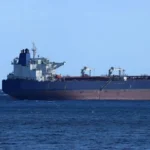
حذرت وكالة «فيتش» للتصنيف الائتماني من وجود مخاطر مرتفعة قد تحول دون فتح مضيق هرمز بشكل فوري، لكنها تتوقع انخفاض أسعار النفط إلى 70 دولارًا للبرميل نهاية العام الحالي في حال نجاح الاتفاق وفتح المضيق بالكامل.
وأوضحت الوكالة في تقريرها أن مسار الاتفاق محفوف بالتحديات، حيث حذرت من أن ظهور معارضة سياسية فور الكشف عن تفاصيل الاتفاق قد يعيق إتمامه، بالإضافة إلى مخاطر انهيار التفاهمات في حال تجدد النزاع العسكري في المنطقة.
وأكدت «فيتش» أن اتفاق الجمعة قد لا ينجح في معالجة جذور التوتر القائم في المنطقة، ما يفتح الباب أمام احتمالية تجدد الصراع، ورغم التوجه نحو التهدئة، ترى الوكالة أن احتمال تنفيذ عمليات عسكرية أمريكية أو إسرائيلية ضد إيران لا يزال قائماً بدرجة كبيرة.
واختتمت تحليلها بتوقعات لأسعار النفط، حيث رجحت انخفاض أسعار خام «برنت» لتصل إلى 70 دولاراً للبرميل بحلول الربع الرابع من العام، وذلك في حال تحقق سيناريو الاستقرار واستئناف حركة الملاحة النفطية الطبيعية عبر المضيق.
The credit rating agency “Fitch” warned of high risks that could prevent the immediate opening of the Strait of Hormuz, but it expects oil prices to drop to $70 per barrel by the end of this year if the agreement succeeds and the strait is fully opened.
The agency explained in its report that the path to the agreement is fraught with challenges, as it warned that the emergence of political opposition immediately after the details of the agreement are revealed could hinder its completion, in addition to the risks of the understandings collapsing if military conflict in the region resumes.
Fitch confirmed that the agreement reached on Friday may not succeed in addressing the root causes of the existing tensions in the region, which opens the door to the possibility of renewed conflict. Despite the shift towards de-escalation, the agency believes that the likelihood of U.S. or Israeli military operations against Iran remains significantly high.
It concluded its analysis with forecasts for oil prices, estimating that Brent crude prices could drop to $70 per barrel by the fourth quarter of the year, provided that the scenario of stability and the resumption of normal oil navigation through the strait materializes.