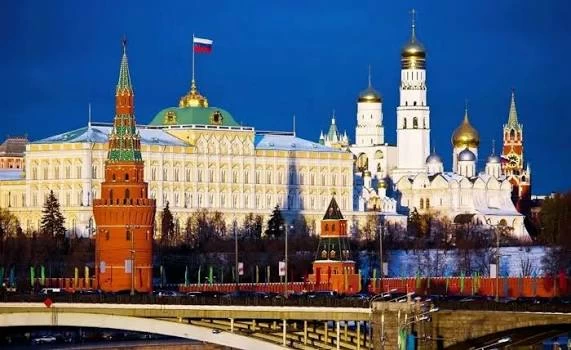
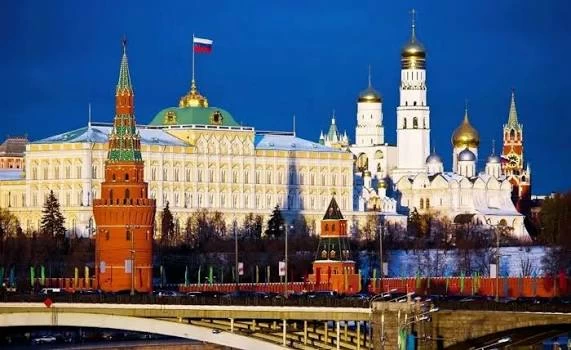
وجهت الرئاسة الروسية (الكرملين)، دعوة علنية إلى الرئيس الأوكراني فولوديمير زيلينسكي لزيارة موسكو، مشروطة باستعداده لإجراء «حوار جاد ومسؤول» لإنهاء الصراع الدائر بين البلدين.
وفي تصريحات صحفية، أكد المتحدث باسم الكرملين، دميتري بيسكوف، أن أبواب موسكو مفتوحة لاستقبال زيلينسكي إذا ما أدركت القيادة في كييف أهمية التحدث بجدية، مشيراً في الوقت ذاته إلى غياب أي قنوات اتصال رسمية حالياً بين الطرفين، رداً على أنباء حول إمكانية ترتيب لقاء على هامش قمة مجموعة السبع المنعقدة في فرنسا.
وفي المقابل، جاء الرد الأوكراني من قلب قمة السبع؛ حيث أعلن الرئيس زيلينسكي عن توافق قادة المجموع الدولية على أن روسيا «لا تحقق النصر» في حربها، مؤكداً وجود نقاشات موسعة لفرض حزمة عقوبات جديدة وصارمة ضد موسكو.
وشدد الرئيس الأوكراني على أن قواته ستواصل إستراتيجية الردع عبر شن غارات جوية بعيدة المدى، باستخدام الصواريخ والطائرات المسيّرة، لاستهداف قطاع الطاقة وشرايين الإمداد الروسية، معتبراً أن الضغط العسكري يجب أن يتوازى مع تكثيف الجهود السياسية الدولية لفرض اتفاق سلام عادل.
تأتي هذه التحركات الدبلوماسية والتصريحات المتبادلة في وقت يراوح فيه الصراع مكانه دون أفق للحل منذ اندلاع الغزو الروسي لأوكرانيا في 24 فبراير 2022؛ حيث تخيم أجواء التعثر على مبادرات التسوية السياسية الشاملة، وسط استمرار المعارك الطاحنة وتبادل الهجمات الصاروخية على جبهات القتال كافة.
The Russian presidency (the Kremlin) has issued a public invitation to Ukrainian President Volodymyr Zelensky to visit Moscow, conditional on his readiness to engage in a “serious and responsible dialogue” to end the ongoing conflict between the two countries.
In press statements, Kremlin spokesman Dmitry Peskov confirmed that Moscow’s doors are open to welcome Zelensky if the leadership in Kyiv recognizes the importance of speaking seriously, while also noting the absence of any official communication channels currently between the two sides, in response to reports about the possibility of arranging a meeting on the sidelines of the G7 summit taking place in France.
In contrast, the Ukrainian response came from the heart of the G7 summit; President Zelensky announced that the leaders of the international group agreed that Russia “is not achieving victory” in its war, emphasizing the existence of extensive discussions to impose a new and strict package of sanctions against Moscow.
The Ukrainian president stressed that his forces will continue their deterrence strategy by carrying out long-range airstrikes, using missiles and drones, to target the energy sector and Russian supply lines, considering that military pressure must be accompanied by intensified international political efforts to impose a fair peace agreement.
These diplomatic moves and exchanged statements come at a time when the conflict remains stagnant with no prospect for resolution since the outbreak of the Russian invasion of Ukraine on February 24, 2022; as the atmosphere of stagnation hangs over comprehensive political settlement initiatives, amidst the continuation of fierce battles and the exchange of missile strikes on all fronts of combat.