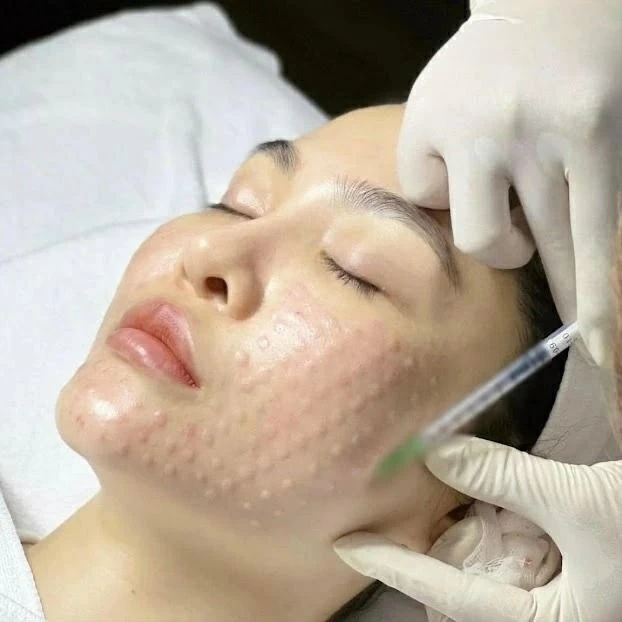
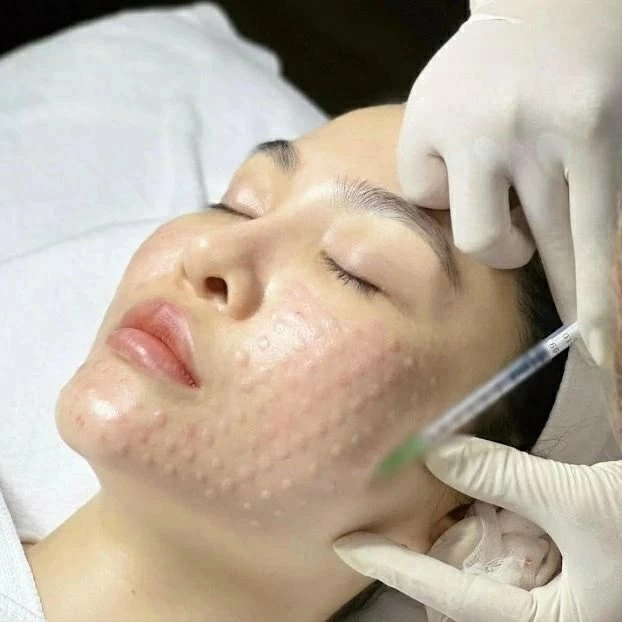
خلال السنوات الأخيرة تحولت حقن وعلاجات الإكسوزوم إلى واحدة من الإجراءات التجميلية الأكثر انتشاراً، مع وعود بتحفيز الكولاجين، تحسين نضارة البشرة، تسريع التعافي بعد الليزر والميكرونيدلينغ، وتقليل علامات التقدم في العمر. لكن بالتزامن مع هذا الانتشار، تصاعدت التحذيرات والتساؤلات حول مدى أمانها وفعاليتها.
الإكسوزومات هي حويصلات مجهرية تفرزها الخلايا وتحمل بروتينات ورسائل بيولوجية تساعد الخلايا على التواصل فيما بينها. الفكرة العلمية وراء استخدامها تقوم على الاستفادة من هذه الإشارات لتحفيز إصلاح وتجديد الجلد. ورغم أن الدراسات الأولية أظهرت نتائج واعدة، يؤكد أطباء الجلدية والجهات التنظيمية أن الأبحاث ما زالت في مراحلها المبكرة، وأن التجارب السريرية واسعة النطاق غير متوفرة حتى الآن.
الخبر الأكثر تداولاً أخيراً هو التحذير من حقن الإكسوزوم، وهنا يجب التمييز بين الحقيقة والمبالغة. الحقيقة أن إدارة الغذاء والدواء الأمريكية (FDA) أعلنت بشكل واضح أنه لا توجد حالياً أي منتجات إكسوزوم معتمدة لعلاج الأمراض أو للاستخدام التجميلي العلاجي، كما أصدرت تنبيهات بعد تسجيل مضاعفات لدى بعض المرضى الذين تلقوا منتجات غير معتمدة تم تسويقها على أنها آمنة وفعالة.
أما المخاوف التي يذكرها الخبراء فتشمل عدم توحيد طرق التصنيع بين الشركات، وصعوبة التأكد من مصدر الإكسوزومات وجودتها، إضافة إلى مخاطر نظرية تتعلق بنقل العدوى أو تحفيز نمو خلايا غير مرغوب فيها إذا كانت المواد البيولوجية المستخدمة غير خاضعة لرقابة صارمة. كما أن المحتوى البيولوجي قد يختلف من دفعة لأخرى، ما يجعل النتائج غير متوقعة دائماً.
في المقابل، لا يرى جميع الخبراء أن الإكسوزوم «خطر» بحد ذاته. كثير من أطباء الجلدية يعتبرونه تقنية واعدة خصوصاً عند استخدامه موضعياً بعد الليزر أو الميكرونيدلينغ، حيث قد يساعد في تقليل الالتهاب وتسريع التعافي وتحسين جودة النتائج. لكنهم يشددون على أن الفوائد المحتملة لا تعني أن التقنية أصبحت مثبتة علمياً أو مناسبة للجميع.
In recent years, exosome injections and treatments have become one of the most popular cosmetic procedures, promising to stimulate collagen, improve skin radiance, accelerate recovery after laser and microneedling, and reduce signs of aging. However, alongside this popularity, warnings and questions about their safety and effectiveness have increased.
Exosomes are microscopic vesicles secreted by cells that carry proteins and biological messages that help cells communicate with each other. The scientific idea behind their use is based on leveraging these signals to stimulate skin repair and renewal. Although preliminary studies have shown promising results, dermatologists and regulatory bodies emphasize that research is still in its early stages, and large-scale clinical trials are not yet available.
The most circulated news recently is the warning against exosome injections, and here it is important to distinguish between fact and exaggeration. The truth is that the U.S. Food and Drug Administration (FDA) has clearly stated that there are currently no FDA-approved exosome products for treating diseases or for therapeutic cosmetic use, and it has issued alerts following reports of complications in some patients who received unapproved products marketed as safe and effective.
The concerns mentioned by experts include the lack of standardized manufacturing processes among companies, the difficulty in verifying the source and quality of exosomes, as well as theoretical risks related to the transmission of infections or the stimulation of unwanted cell growth if the biological materials used are not subject to strict regulation. Additionally, the biological content may vary from batch to batch, making results unpredictable.
On the other hand, not all experts view exosomes as a “danger” in themselves. Many dermatologists consider them a promising technique, especially when used topically after laser or microneedling, as they may help reduce inflammation, accelerate recovery, and improve the quality of results. However, they stress that potential benefits do not mean that the technique is scientifically validated or suitable for everyone.