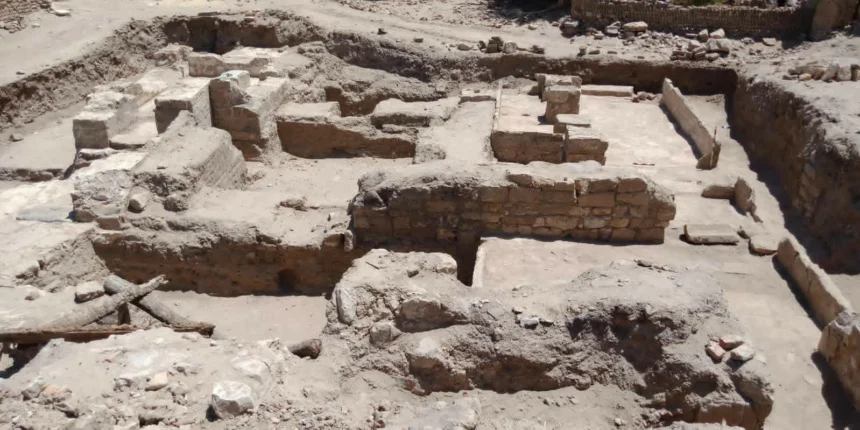
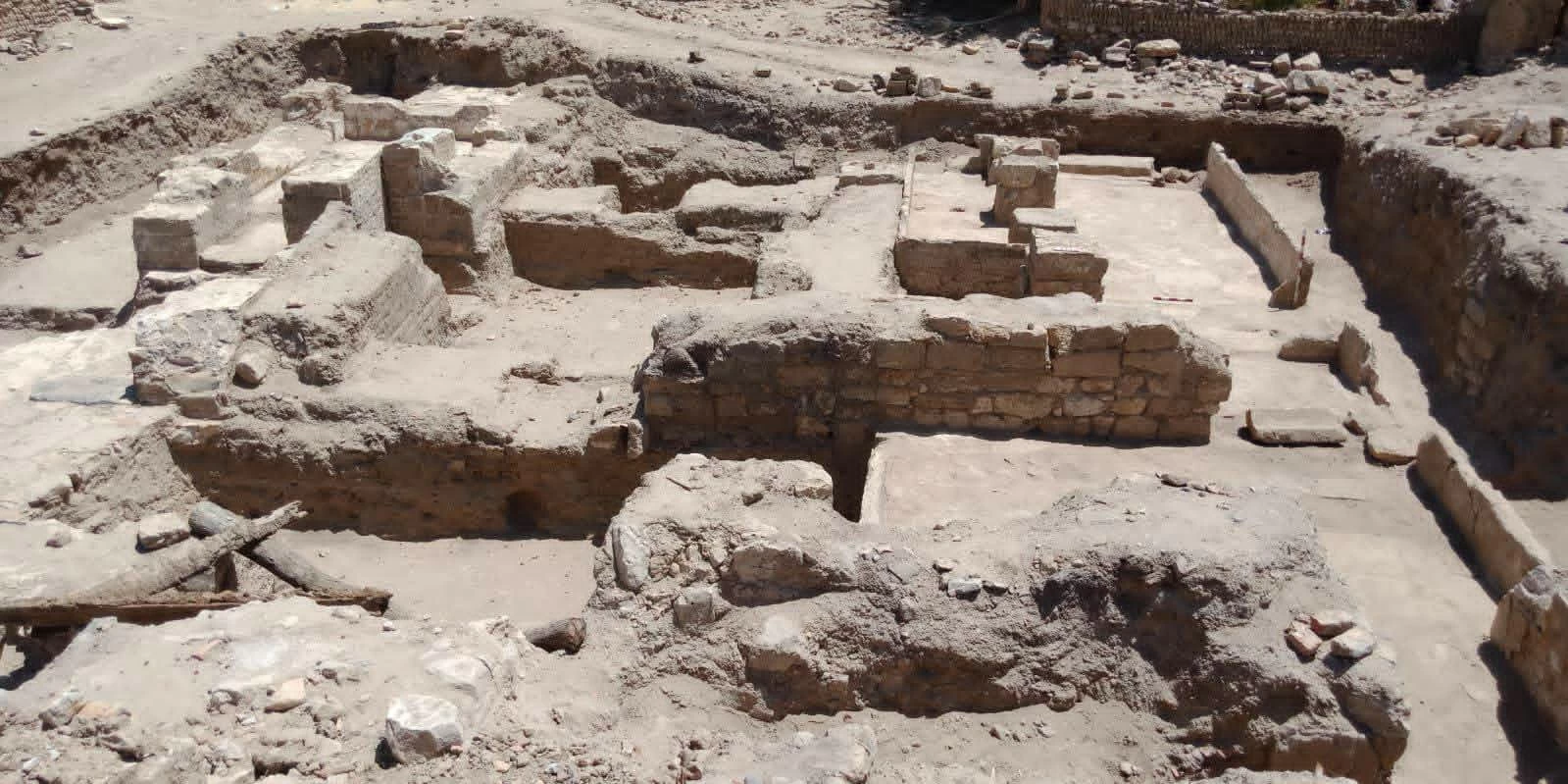
أعلنت وزارة السياحة والآثار المصرية نجاح البعثة الأثرية المصرية التابعة للمجلس الأعلى للآثار، والعاملة بموقع القصر القديم بقرية القصر في الواحات البحرية، في الكشف عن أجزاء جديدة من معبد القصر القديم الذي يرجع تاريخه إلى عصر الأسرة السادسة والعشرين، وذلك خلال موسم حفائرها الجاري بالموقع.
وأكد شريف فتحي، وزير السياحة والآثار، أن الاكتشافات الجديدة تعكس الجهود المتواصلة التي تبذلها البعثات الأثرية المصرية لفهم الحضارة المصرية القديمة والكشف عن المزيد من أسرارها، بما يدعم مكانة مصر كإحدى أبرز الوجهات العالمية للسياحة الثقافية.
وأضاف أن هذه الاكتشافات تجسد ما تمتلكه مصر من ثراء أثري فريد لا يزال يزخر بالعديد من الكنوز غير المكتشفة، كما تعكس كفاءة وخبرة الكوادر الأثرية المصرية وقدرتها على الكشف عن فصول جديدة من التاريخ المصري العريق، وهو ما يمثل إحدى الركائز الأساسية لتعزيز منتج السياحة الثقافية.
من جانبه، أوضح الأمين العام للمجلس الأعلى للآثار الدكتور هشام الليثي، أن البعثة نجحت في الكشف عن عناصر معمارية جديدة من المعبد، من بينها بقايا حجرة مشيدة من الحجر الرملي، وعدد من الكتل الحجرية المنقوشة التي تحمل أسماء وألقاب الملك بسماتيك الأول، إضافة إلى مجموعة من القطع الأثرية التي تسهم في استكمال فهم التخطيط المعماري للمعبد وتاريخه.
وأشار الليثي إلى أن هذا الكشف يمثل دليلاً جديداً على الأهمية التاريخية والأثرية الكبيرة لموقع القصر القديم بالواحات البحرية، والذي لعب دوراً بارزاً كمركز ديني وإداري عبر عصور تاريخية متعاقبة، كما يساهم في إلقاء المزيد من الضوء على تاريخ الواحات البحرية وعلاقاتها بالدولة المصرية القديمة.
بدوره، أوضح رئيس قطاع الآثار المصرية بالمجلس الأعلى للآثار محمد عبد البديع، أن أعمال البعثة بالموقع بدأت عام 2014 واستمرت حتى موسم 2026، وأسفرت عن الكشف عن أجزاء مهمة من معبد أثري يرجع في أساسه إلى عصر الأسرة السادسة والعشرين، حيث بدأ تشييده في عهد الملك بسماتيك الأول، واستُكمل خلال عهدي الملكين واح-إيب-رع (أبريس) وأحمس الثاني (أمازيس).
وأضاف أن من أبرز المكتشفات التي تم التوصل إليها صالة الأعمدة الرئيسية بالمعبد، والتي تضم 16 عموداً من الحجر الرملي، إلى جانب عدد من الحجرات والمقصورات المرتبطة بها، فضلاً عن بقايا مناظر ونصوص هيروغليفية تسجل أسماء عدد من المعبودات المصرية القديمة، وفي مقدمتها آمون رع وأمونت وخونسو.
كما أسفرت أعمال الحفائر عن العثور على لوحة حجرية ترجع إلى عهد الملك أمنحتب الثاني من الأسرة الثامنة عشرة، وتحمل نصوصاً تؤكد ارتباط الواحات البحرية بالدولة المصرية منذ عصر الدولة الحديثة، بالإضافة إلى أجزاء أثرية تعود إلى عهد الملك رمسيس الثاني، وهو ما يشير إلى أن الموقع شهد نشاطاً دينياً وعمرانياً منذ فترات أقدم من عصر الأسرة السادسة والعشرين.
وفي السياق ذاته، كشف رئيس الإدارة المركزية لآثار القاهرة والجيزة قطب فوزي، أن البعثة نجحت خلال مواسم الحفائر السابقة في التعرف لأول مرة على اسم المعبد وهو «إيب-ست» بمعنى «مقر القلب»، وذلك من خلال ختم معدني تم العثور عليه داخل المعبد.
وأضاف أن أعمال التنقيب أسفرت كذلك عن اكتشاف عدد من التماثيل والقطع الأثرية المهمة، من بينها تمثال للمعبود تحوت، وتمثال برونزي للمعبود أوزير، وتميمة برونزية للمعبود رع-حور-آختي، إلى جانب رأس تمثال لكاهن أو مسؤول بارز بالواحات البحرية، ومقصورة ترجع إلى الحاكم والكاهن المحلي با-دي-إيزة، أحد أبرز الشخصيات المرتبطة بإدارة الواحات خلال العصر المتأخر.
من جانبه، أشار مدير عام آثار الواحات البحرية صبري فرج، إلى أن أعمال الحفائر كشفت أيضاً عن دلائل تؤكد استمرار استخدام الموقع خلال العصرين اليوناني والروماني وحتى القرنين الرابع والخامس الميلاديين، حيث تم العثور على أوستراكات ونصوص قبطية ولاتينية، إضافة إلى منشآت صناعية وأحواض كانت تستخدم في إنتاج النبيذ والزيوت، فضلاً عن مناطق مخصصة للتخزين.
ويُعد موقع القصر القديم أحد أهم المواقع الأثرية في الواحات البحرية، إذ كان يمثل العاصمة القديمة للمنطقة خلال العصر المتأخر، فيما تواصل الاكتشافات الجديدة تعزيز فهم الباحثين للتاريخ الديني والإداري والعمراني للواحات البحرية عبر مختلف الحقب التاريخية.
The Egyptian Ministry of Tourism and Antiquities announced the success of the Egyptian archaeological mission affiliated with the Supreme Council of Antiquities, working at the site of the Old Palace in the village of Al-Qasr in the Bahariya Oasis, in uncovering new parts of the Old Palace Temple, which dates back to the 26th Dynasty, during its ongoing excavation season at the site.
Sharif Fathy, the Minister of Tourism and Antiquities, confirmed that the new discoveries reflect the continuous efforts made by Egyptian archaeological missions to understand ancient Egyptian civilization and uncover more of its secrets, which supports Egypt’s position as one of the leading global destinations for cultural tourism.
He added that these discoveries embody Egypt’s unique archaeological wealth, which still abounds with many undiscovered treasures, and reflect the efficiency and expertise of Egyptian archaeological personnel and their ability to reveal new chapters of Egypt’s ancient history, which represents one of the fundamental pillars for enhancing the cultural tourism product.
For his part, Dr. Hisham El-Leithi, the Secretary-General of the Supreme Council of Antiquities, explained that the mission succeeded in uncovering new architectural elements of the temple, including the remains of a chamber built of sandstone, and several inscribed stone blocks bearing the names and titles of King Psamtik I, in addition to a collection of artifacts that contribute to completing the understanding of the architectural planning of the temple and its history.
El-Leithi pointed out that this discovery represents new evidence of the significant historical and archaeological importance of the Old Palace site in the Bahariya Oasis, which played a prominent role as a religious and administrative center throughout successive historical periods, and contributes to shedding more light on the history of the Bahariya Oasis and its relations with ancient Egyptian civilization.
In turn, Mohamed Abdel Badi, the head of the Egyptian Antiquities Sector at the Supreme Council of Antiquities, stated that the mission’s work at the site began in 2014 and will continue until the 2026 season, resulting in the discovery of important parts of an archaeological temple that dates back to the 26th Dynasty, which began construction during the reign of King Psamtik I and was completed during the reigns of Kings Wah-ib-Ra (Apries) and Ahmose II (Amasis).
He added that among the most notable discoveries was the main column hall of the temple, which includes 16 sandstone columns, along with several chambers and associated compartments, as well as remains of scenes and hieroglyphic texts recording the names of several ancient Egyptian deities, foremost among them Amun-Ra, Amunet, and Khonsu.
The excavation work also resulted in the discovery of a stone tablet dating back to the reign of King Amenhotep II of the 18th Dynasty, bearing inscriptions that confirm the connection of the Bahariya Oasis to the Egyptian state since the New Kingdom, in addition to archaeological parts dating back to the reign of King Ramses II, indicating that the site witnessed religious and architectural activity since periods earlier than the 26th Dynasty.
In this context, Qutb Fawzy, the head of the Central Administration of Cairo and Giza Antiquities, revealed that the mission successfully identified the name of the temple for the first time during previous excavation seasons, which is “Ib-set,” meaning “the seat of the heart,” through a metal seal found inside the temple.
He added that the excavation work also resulted in the discovery of several important statues and artifacts, including a statue of the deity Thoth, a bronze statue of the deity Osiris, and a bronze amulet of the deity Ra-Horakhty, along with a head of a statue of a priest or prominent official from the Bahariya Oasis, and a compartment belonging to the local governor and priest Pa-di-Iza, one of the most prominent figures associated with the administration of the oases during the Late Period.
For his part, Sabry Farag, the General Director of Bahariya Oasis Antiquities, pointed out that the excavation work also revealed evidence confirming the continued use of the site during the Greek and Roman periods and into the 4th and 5th centuries AD, as ostraca and Coptic and Latin texts were found, in addition to industrial facilities and basins used for producing wine and oils, as well as areas designated for storage.
The Old Palace site is considered one of the most important archaeological sites in the Bahariya Oasis, as it represented the ancient capital of the region during the Late Period, while new discoveries continue to enhance researchers’ understanding of the religious, administrative, and architectural history of the Bahariya Oasis across various historical eras.