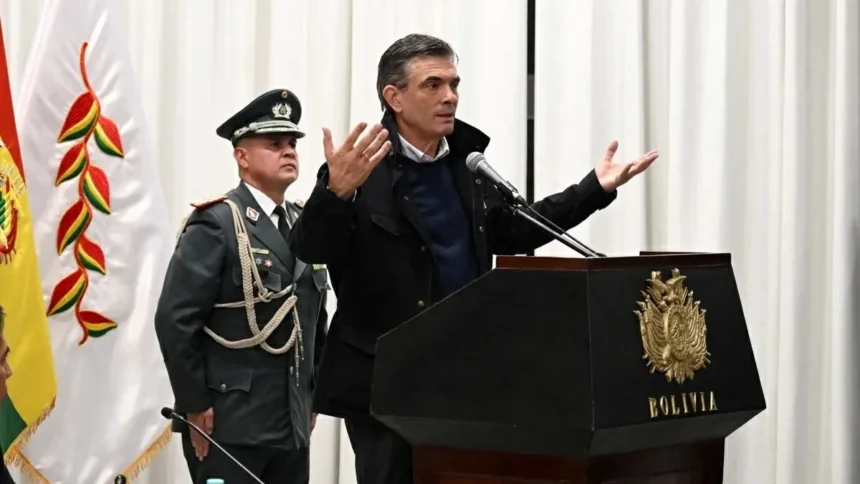
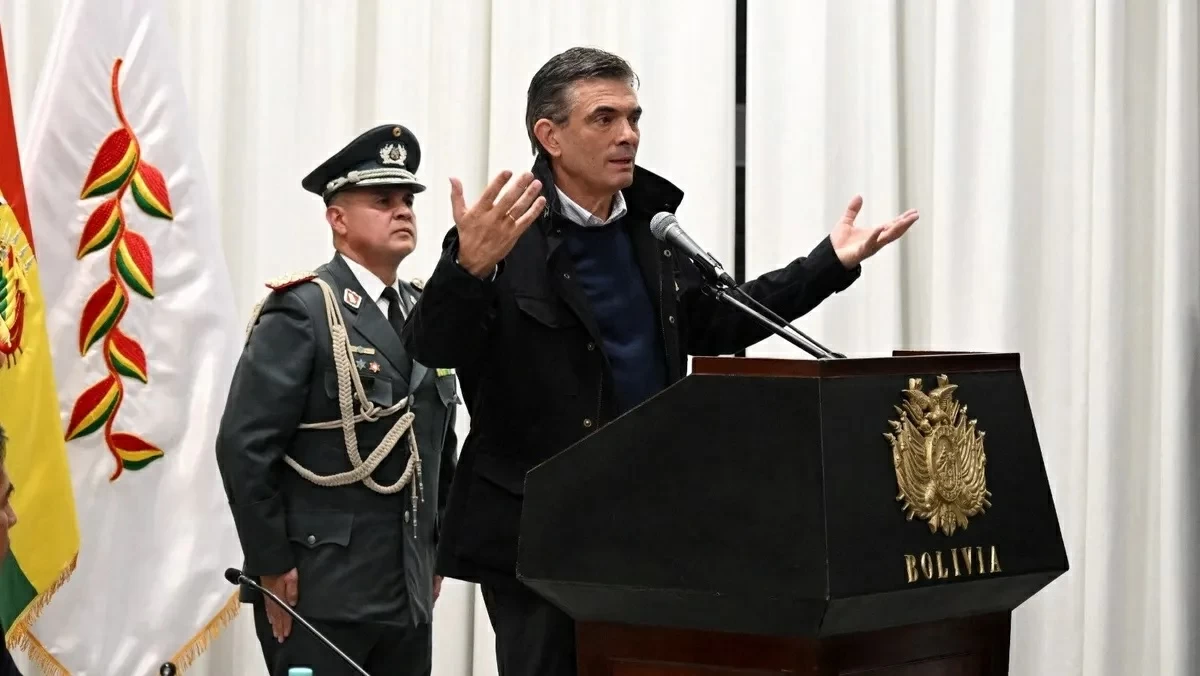
أعلن الرئيس البوليفي رودريجو باز، اليوم (السبت)، حالة الطوارئ بعد 50 يوماً من إغلاق الطرق والاضطرابات التي ألحقت ضرراً بالغاً بالاقتصاد، وفق ما أوردت وكالة «بلومبيرغ».
وقال في منشور على حسابه في منصة «إكس»: «أمرتُ بفرض حالة الطوارئ لفتح الطرق. لا يمكن أن يبقى البوليفيون رهائن للحواجز التي تمنعهم من العمل والدراسة وتلقي الرعاية الطبية والحصول على الإمدادات وتوفير احتياجات أسرهم».
وأكد أن حالة الطوارئ لا تهدف إلى سلب الحياة الطبيعية، بل إلى إعادتها، معلناً أن أبواب الحكومة ستبقى مفتوحة أمام الراغبين في الحوار بحسن نية. وأفاد بأن البلاد تحتاج إلى إعادة فتح طرقها، وضمان توافر الإمدادات، والعودة إلى الحياة الطبيعية.
ويأتي هذا الإجراء بعد ساعات من توقيع حكومة العاصمة لاباز اتفاقاً مع نقابة العمال الوطنية (COB) لإنهاء إغلاق الطرق، الذي تسبب في نقص الغذاء والدواء في جميع أنحاء البلاد.
وواصلت جماعات أخرى إغلاقها للطرق، من بينها اتحاد مزارعي لاباز «توباك كاتاري» وأنصار الرئيس السابق إيفو موراليس.
وقالت الغرفة الوطنية للصناعات إن الخسائر الاقتصادية الناجمة عن الاحتجاجات بلغت 3 مليارات دولار، أي ما يعادل حوالى 6% من الناتج المحلي الإجمالي السنوي لبوليفيا.
وتشهد بوليفيا منذ مطلع الشهر الماضي احتجاجات واشتباكات بين متظاهرين مناهضين للحكومة والشرطة، وسط مطالبات باستقالة الرئيس. واستخدمت قوات الأمن الغاز المسيل للدموع لتفريق الحشود في العاصمة لاباز، إذ شكلت الأحداث جزءاً من اضطرابات مستمرة بسبب الضغوط الاقتصادية.
وكان باز وقع الأسبوع الماضي قانوناً يُسهل على الدولة فرض إجراءات طارئة لقمع الاضطرابات، وأعلنت إدارته أنها تقترب من إبرام برنامج تمويل بقيمة 3 مليارات دولار مع صندوق النقد الدولي.
ووصل باز إلى السلطة العام الماضي، بعد أن استقطب الطبقة العاملة البوليفية والعديد من مؤيدي حزب «حركة الاشتراكية» الحاكم منذ فترة طويلة، متعهداً خلال حملته الانتخابية بـ «الرأسمالية للجميع».
يذكر أن الحكومة الأمريكية تقدم لبوليفيا مساعدات غذائية طارئة ودعماً لوجستياً لمساعدة السكان الذين يعانون من نقص الغذاء والدواء.
ومنذ انتخابه في أكتوبر الماضي، منهياً بذلك عقدين من الحكم الاشتراكي، خفّض باز دعم الوقود، واتجه نحو تحرير سوق الصرف الأجنبي، وساعد في الاستفادة من أسواق رأس المال العالمية.
Bolivian President Rodrigo Paz announced today (Saturday) a state of emergency after 50 days of road blockades and unrest that have severely harmed the economy, according to Bloomberg News.
He stated in a post on his account on the platform “X”: “I have ordered the imposition of a state of emergency to open the roads. Bolivians cannot remain hostages to the barriers that prevent them from working, studying, receiving medical care, obtaining supplies, and providing for their families.”
He emphasized that the state of emergency is not intended to take away normal life, but to restore it, announcing that the government’s doors will remain open to those willing to engage in good-faith dialogue. He noted that the country needs to reopen its roads, ensure the availability of supplies, and return to normal life.
This measure comes hours after the government of the capital La Paz signed an agreement with the National Labor Union (COB) to end the road blockades, which have caused shortages of food and medicine across the country.
Other groups continued their road blockades, including the La Paz Farmers’ Union “Tupac Katari” and supporters of former President Evo Morales.
The National Chamber of Industries stated that the economic losses resulting from the protests have reached $3 billion, equivalent to about 6% of Bolivia’s annual GDP.
Since the beginning of last month, Bolivia has witnessed protests and clashes between government-opposing demonstrators and police, amid calls for the president’s resignation. Security forces used tear gas to disperse crowds in the capital La Paz, as the events are part of ongoing unrest due to economic pressures.
Paz signed a law last week that facilitates the government’s ability to impose emergency measures to suppress unrest, and his administration announced that it is nearing a $3 billion financing program with the International Monetary Fund.
Paz came to power last year after attracting the Bolivian working class and many supporters of the long-ruling “Movement for Socialism” party, pledging during his campaign to provide “capitalism for all.”
It is worth noting that the U.S. government is providing Bolivia with emergency food aid and logistical support to help the population suffering from shortages of food and medicine.
Since his election last October, ending two decades of socialist rule, Paz has reduced fuel subsidies, moved towards liberalizing the foreign exchange market, and helped to take advantage of global capital markets.