


تصاعدت حدة التوتر بين إثيوبيا وإريتريا، مع تبادل الاتهامات بشأن التحركات العسكرية عبر الحدود، ودخول قوات إثيوبية مدينة أديجرات في إقليم تيجراي، وسط تحذيرات إريترية من مخطط لغزو أراضيها وانتزاع منفذ إلى البحر بالقوة، ومطالبة مجلس الأمن الدولي باتخاذ تدابير رادعة ضد أديس أبابا.
ودعت وزارة الخارجية الإريترية، في رسالة وجهتها إلى مجلس الأمن، اليوم (السبت)، إلى إدانة ما وصفته بـ«إعلان إثيوبيا الحرب» عليها، واتخاذ إجراءات بموجب الفصل السابع من ميثاق الأمم المتحدة، محذرة من أن التصعيد قد يتسبب في دمار واسع لشعبي البلدين ويزعزع استقرار المنطقة بأسرها.
واتهمت أسمرة الحكومة الإثيوبية باستغلال العمليات العسكرية في شمال البلاد لتنفيذ خطة معدة مسبقاً لغزو إريتريا، مستشهدة بتصريحات نسبت إلى نائب رئيس أركان الجيش الإثيوبي أبيباو تاديسي في سبتمبر الماضي، بشأن استهداف مدينة عصب الساحلية. واعتبرت أن مساعي أديس أبابا للحصول على منفذ بحري بالقوة تمثل انتهاكاً لسيادتها وسلامة أراضيها.
في المقابل، اتهمت إثيوبيا القوات الإريترية بالتوغل لمسافة تصل إلى 60 كيلومتراً داخل إقليم تيغراي، محذرة من أن وجود قوات أجنبية على أراضيها يستدعي الدفاع عن النفس. ونفت إريتريا هذه الاتهامات، معتبرة أنها محاولة لتبرير شن حرب عليها.
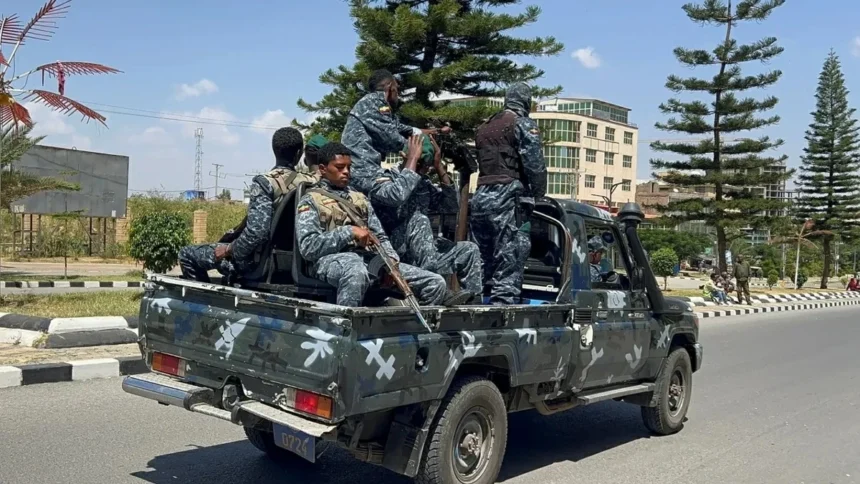
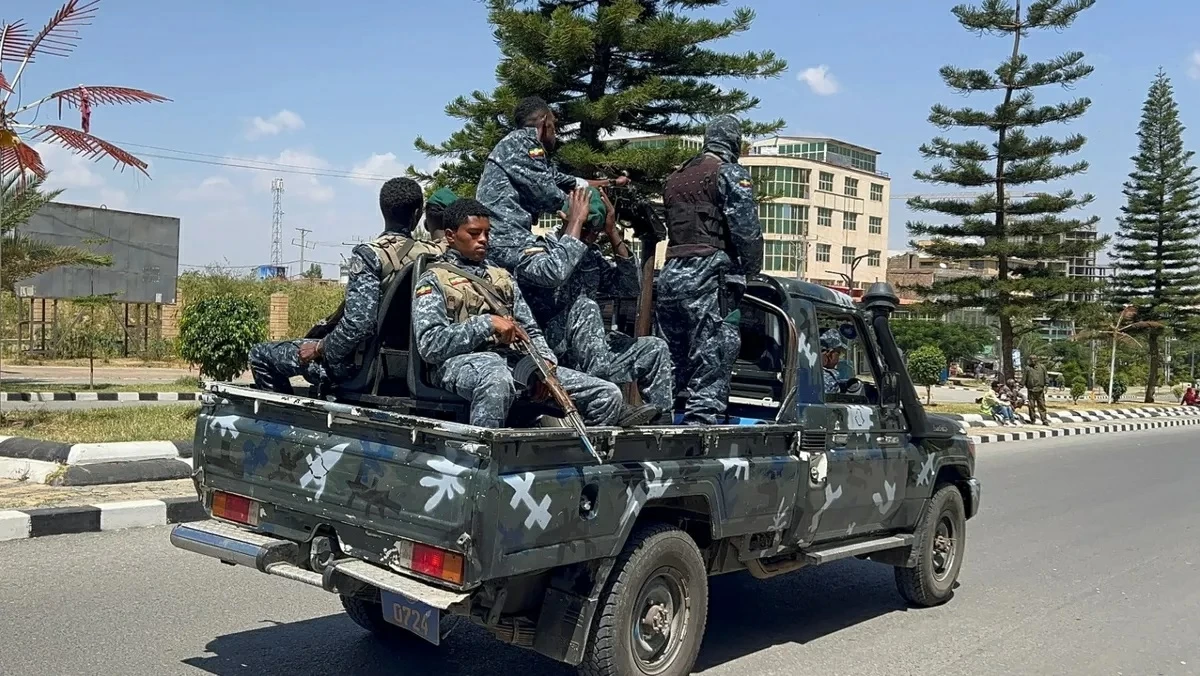
ميدانياً، أفاد ثلاثة من سكان أديغرات لوكالة «رويترز»، اليوم، دخول قوات من الجيش الإثيوبي ومليشيات متحالفة معه المدينة القريبة من الحدود الإريترية، ومشاهدتهم جنوداً ينفذون دوريات برفقة مركبات عسكرية. ولم تتمكن الوكالة من التحقق من بسط الجيش سيطرته على المدينة الواقعة على بعد نحو 30 كيلومتراً من الحدود.
وتتهم أديس أبابا أسمرة بدعم تحالف مسلح يقاتل القوات الحكومية منذ 23 سبتمبر في مناطق من أقاليم تيغراي وأمهرة وعفار، وهي اتهامات تنفيها إريتريا.
ويأتي التصعيد بعد تدهور العلاقات بين البلدين، اللذين وقعا اتفاق سلام عام 2018 أنهى عقدين من العداء عقب الحرب الحدودية. وتفاقمت الخلافات منذ إعلان إثيوبيا عام 2023 سعيها للحصول على منفذ سيادي إلى البحر، فيما تؤكد أديس أبابا أن تحقيق هذا الهدف يجب أن يتم بالحوار والوسائل السلمية. وتثير المواجهات الحالية مخاوف من تجدد الصراع في شمال إثيوبيا واتساع تداعياته على منطقة القرن الأفريقي.
Tensions have escalated between Ethiopia and Eritrea, with mutual accusations regarding military movements across the border, and the entry of Ethiopian forces into the city of Adigrat in the Tigray region, amid Eritrean warnings of a plot to invade its territory and forcibly seize a sea outlet, along with calls for the United Nations Security Council to take deterrent measures against Addis Ababa.
The Eritrean Ministry of Foreign Affairs, in a letter addressed to the Security Council today (Saturday), called for condemnation of what it described as “Ethiopia’s declaration of war” against it, and for actions to be taken under Chapter VII of the United Nations Charter, warning that the escalation could lead to widespread destruction for the peoples of both countries and destabilize the entire region.
Asmara accused the Ethiopian government of exploiting military operations in the north of the country to execute a premeditated plan to invade Eritrea, citing statements attributed to Ethiopian Army Deputy Chief of Staff Abibaw Tadesse last September regarding targeting the coastal city of Assab. It considered Addis Ababa’s attempts to obtain a maritime outlet by force as a violation of its sovereignty and territorial integrity.
In contrast, Ethiopia accused Eritrean forces of penetrating up to 60 kilometers into the Tigray region, warning that the presence of foreign troops on its territory necessitates self-defense. Eritrea denied these accusations, considering them an attempt to justify waging war against it.
On the ground, three residents of Adigrat reported to Reuters today that Ethiopian army forces and allied militias entered the city near the Eritrean border, and they observed soldiers conducting patrols alongside military vehicles. The agency was unable to verify whether the army had established control over the city, which is located about 30 kilometers from the border.
Addis Ababa accuses Asmara of supporting an armed alliance that has been fighting government forces since September 23 in areas of the Tigray, Amhara, and Afar regions, accusations that Eritrea denies.
The escalation comes after a deterioration in relations between the two countries, which signed a peace agreement in 2018 that ended two decades of hostility following the border war. Disputes have intensified since Ethiopia announced in 2023 its pursuit of a sovereign outlet to the sea, while Addis Ababa insists that achieving this goal must be done through dialogue and peaceful means. The current confrontations raise fears of a renewed conflict in northern Ethiopia and the widening repercussions on the Horn of Africa region.