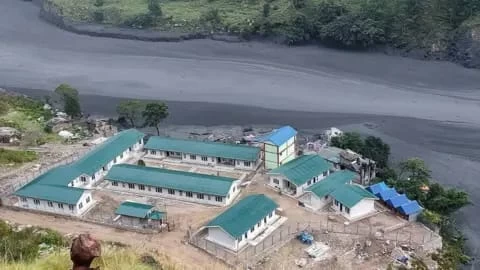
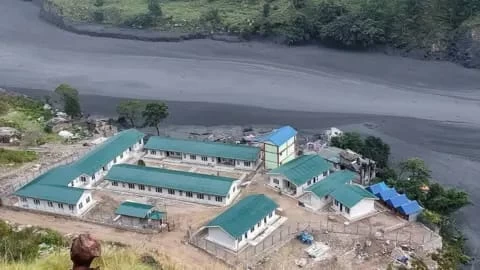
في مشهد صادم، اجتاحت سيول جارفة مناطق في وسط نيبال، (الأحد)، بعدما اندفعت مياه نهر بودي غانداكي بقوة عبر الوديان، جالبة معها المنازل والجسور ومعدات الإنشاءات، ومتسببة في أضرار بأحد مشاريع الطاقة الكهرومائية، فيما لا يزال خمسة أشخاص في عداد المفقودين.
وأعلن الجيش النيبالي إنقاذ 95 شخصًا، بينهم 9 أجانب، على ضفاف النهر في منطقة غورخا، بينما لم ترد تقارير عن وقوع وفيات حتى الآن. وأفادت هيئة الحد من مخاطر الكوارث وإدارتها في نيبال بتضرر أكثر من 200 منزل وتأثر أكثر من 650 شخصًا بالفيضانات.
وأظهر مقطع فيديو متداول لحظة اندفاع المياه العنيفة عبر أحد الأودية، وهي تجرف مجمعًا من المباني، في مشهد يعكس قوة السيول وحجم الدمار الذي خلفته.
قرى معزولة ومروحيات للإنقاذ
وتسببت السيول في عزل عدد من التجمعات السكنية، ولم يعد الوصول إلى بعضها ممكنًا إلا عبر الجو، وفق مسؤول محلي تحدث إلى صحيفة «كاتماندو بوست».
وحشد الجيش النيبالي أربع مروحيات للمشاركة في عمليات البحث والإنقاذ، وسط مخاوف من اتساع نطاق الأضرار وصعوبة الوصول إلى المناطق المتضررة.
واضطرت عائلات إلى مغادرة منازلها والبحث عن أماكن آمنة للإيواء، فيما يواجه السكان حالة من القلق بشأن أماكن إقامتهم وسبل الحصول على الحاجات الأساسية.
وقال غانيش كاركي، أحد سكان منطقة جاغاتباغار، لصحيفة «كاتماندو بوست»، إن السكان تلقوا اتصالًا تحذيريًا في وقت مبكر من الصباح، ما دفعه هو وآخرين إلى الاحتماء في غابة قريبة على ارتفاع نحو 500 متر فوق المنطقة السكنية.
وأضاف: «لم نتخيل أبدًا حدوث فيضان بهذه الضخامة»، موضحًا أن المياه اندفعت لنحو 15 دقيقة، ثم توقفت وعادت إلى الاندفاع مرات عدة خلال الصباح، مشيرًا إلى أن السكان يخشون العودة إلى منازلهم ليلًا.
ارتفاع مفاجئ في منسوب النهر
وقالت هيئة الحد من مخاطر الكوارث وإدارتها إن السيول جرفت نحو 12 منزلًا وعددًا من الجسور المعلقة، كما ألحقت أضرارًا بمشروع للطاقة الكهرومائية، وجرفت بعض معدات الإنشاءات التابعة له.
وفي غضون ساعات قليلة، ارتفع منسوب المياه في أحد المواقع من مترين إلى نحو 8.5 متر، بحسب مسؤولين، في مؤشر على سرعة التغيرات التي شهدها النهر.
وأوضح بينود باراجولي، خبير الأرصاد الجوية العامل مع الحكومة النيبالية، أن محطة الرصد الهيدرولوجي في الموقع جرفتها المياه، ما أدى إلى انقطاع البيانات الواردة من المنطقة وصعّب متابعة تطورات منسوب النهر.
ورغم حجم الأضرار، قال خبراء إن تدفق الحطام والسيول الأخيرة كان أقل حجمًا وأبطأ حركة من الفيضانات الخاطفة المدمرة التي شهدتها البلاد في أغسطس الماضي.
ما سبب الفيضانات الجديدة؟
لا يزال السبب الدقيق للسيول غير واضح. ويرجح بعض التفسيرات أن انهيارًا أرضيًا ربما سد مجرى النهر أو أحد روافده لفترة مؤقتة، قبل أن تندفع المياه المتجمعة بصورة مفاجئة. وفي المقابل، أفاد آخرون بأن سكانًا في المناطق الواقعة أعلى النهر شاهدوا انهيارًا جليديًا.
ويُعد نهر بودي غانداكي أحد روافد نهر تريشولي، الواقع أسفل مجرى مائي آخر شهد كارثة سابقة مرتبطة بانهيار كتلة جليدية.
وتأتي الفيضانات الجديدة بينما لا تزال نيبال تحاول التعافي من كارثة أغسطس الماضي، التي ضربت بلدات قرب الحدود مع التبت، وأودت بحياة أكثر من 1400 شخص، وفق الأرقام الواردة في التقارير، مع استمرار فقدان آلاف آخرين.
وعزت التقارير تلك الكارثة إلى انهيار صخري وجليدي قرب قمة جبل لانغتانغ ليرونغ في الجانب النيبالي من جبال الهيمالايا.
مخاوف على الأطفال والسكان
وتزامنت الفيضانات الأخيرة مع استعداد السكان للاحتفال بأول أيام مهرجان «داشين»، أحد أبرز المناسبات في التقويم النيبالي.
وأعلنت منظمة «أنقذوا الأطفال» تجهيز فريق طوارئ للاستجابة للأوضاع في المناطق المتضررة.
وقالت تارا تشيتري، مديرة المنظمة في نيبال، إن حياة الأطفال انقلبت رأسًا على عقب خلال لحظات، مشيرة إلى أن حجم الأضرار لم يتضح بالكامل بعد، وأن الأطفال ربما فقدوا منازلهم ومدارسهم ومجتمعاتهم المحلية.
وأضافت أن كثيرًا من أطفال غورخا قد لا يزالون يعانون الصدمة والضيق النفسي بعد فيضانات أغسطس، في وقت لم تتح لهم فيه فرصة كافية للتعافي من آثار الكارثة السابقة.
وتواجه نيبال مخاطر متكررة من الزلازل والانهيارات الأرضية والفيضانات، بسبب الطبيعة الجغرافية المتقلبة لجبال الهيمالايا. ويرى خبراء أن تغير المناخ، وما يصاحبه من تسارع ذوبان الأنهار الجليدية، قد يزيد من مخاطر هذه الكوارث ويضاعف هشاشة المجتمعات المحلية أمامها.
In a shocking scene, flash floods swept through areas in central Nepal on Sunday, as the waters of the Budhi Gandaki River surged violently through the valleys, bringing with them homes, bridges, and construction equipment, causing damage to a hydropower project, while five people remain missing.
The Nepalese army announced the rescue of 95 people, including 9 foreigners, from the riverbanks in the Gorkha region, while no reports of fatalities have been received so far. The Nepal Disaster Risk Reduction and Management Authority reported that more than 200 homes were damaged and over 650 people were affected by the floods.
A circulating video showed the moment the violent waters rushed through one of the valleys, sweeping away a complex of buildings, reflecting the power of the floods and the extent of the destruction left behind.
Isolated Villages and Rescue Helicopters
The floods caused several residential clusters to become isolated, with access to some only possible by air, according to a local official who spoke to the Kathmandu Post.
The Nepalese army mobilized four helicopters to participate in search and rescue operations, amid fears of the damage spreading and difficulties in reaching the affected areas.
Families were forced to leave their homes in search of safe shelter, while residents faced anxiety about their living conditions and access to basic necessities.
Ganesh Karki, a resident of the Jagatbhagar area, told the Kathmandu Post that residents received a warning call early in the morning, prompting him and others to take refuge in a nearby forest about 500 meters above the residential area.
He added, “We never imagined a flood of this magnitude would happen,” explaining that the waters surged for about 15 minutes, then stopped and surged again several times throughout the morning, noting that residents are afraid to return to their homes at night.
Sudden Rise in River Levels
The Disaster Risk Reduction and Management Authority stated that the floods swept away about 12 homes and several suspension bridges, and caused damage to a hydropower project, sweeping away some of its construction equipment.
In just a few hours, the water level at one site rose from two meters to about 8.5 meters, according to officials, indicating the rapid changes the river experienced.
Binod Barajuli, a meteorologist working with the Nepalese government, explained that the hydrological monitoring station at the site was swept away by the waters, leading to a disruption in data coming from the area and complicating the monitoring of river levels.
Despite the extent of the damage, experts stated that the flow of debris and recent floods was smaller and slower than the devastating flash floods that struck the country last August.
What Caused the New Floods?
The exact cause of the floods remains unclear. Some explanations suggest that a landslide may have temporarily blocked the river or one of its tributaries, before the accumulated waters surged suddenly. Conversely, others reported that residents in areas upstream observed a glacial collapse.
The Budhi Gandaki River is one of the tributaries of the Trishuli River, located downstream from another waterway that previously experienced a disaster related to a glacial collapse.
The new floods come as Nepal is still trying to recover from the disaster of last August, which struck towns near the border with Tibet and claimed the lives of more than 1,400 people, according to figures in reports, with thousands more still missing.
Reports attributed that disaster to a rock and glacial collapse near the summit of Langtang Lirung in the Nepalese side of the Himalayas.
Concerns for Children and Residents
The recent floods coincided with residents’ preparations to celebrate the first day of the Dashain festival, one of the most significant occasions in the Nepalese calendar.
The organization “Save the Children” announced the preparation of an emergency team to respond to the situations in the affected areas.
Tara Chhetri, the organization’s director in Nepal, stated that children’s lives were turned upside down in moments, noting that the extent of the damage is not yet fully clear, and that children may have lost their homes, schools, and local communities.
She added that many children in Gorkha may still be suffering from trauma and psychological distress after the August floods, at a time when they did not have enough opportunity to recover from the effects of the previous disaster.
Nepal faces recurring risks from earthquakes, landslides, and floods due to the volatile geographical nature of the Himalayas. Experts believe that climate change, along with the accelerated melting of glaciers, may increase the risks of these disasters and exacerbate the vulnerability of local communities to them.