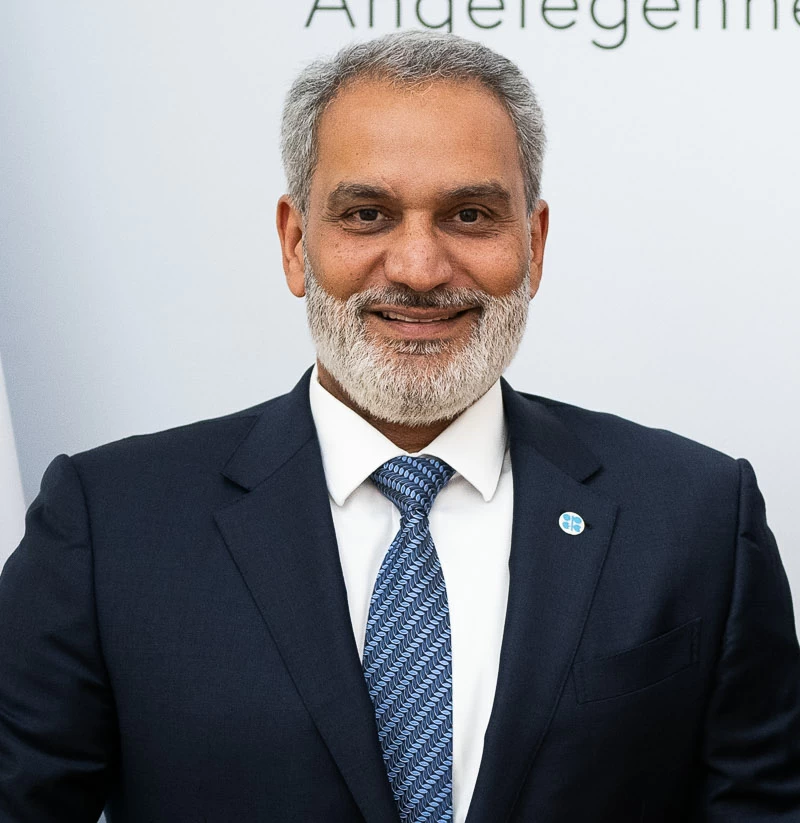
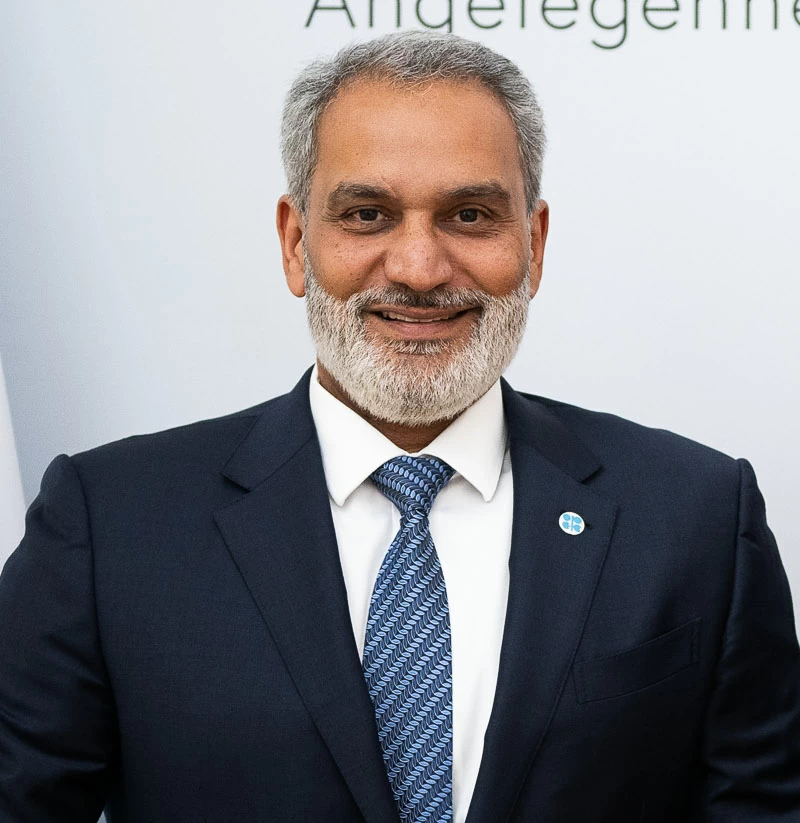
أكد الأمين العام لمنظمة الدول المصدرة للنفط «أوبك» هيثم الغيص أن خط أنابيب النفط شرق-غرب في السعودية يمثل نموذجاً قوياً للتخطيط الاستباقي وتأمين إمدادات الطاقة، مشيراً إلى أن المملكة تعد خير مثال على الجهود الرامية إلى ضمان أمن الإمدادات واستدامتها في الأسواق العالمية.
وأكد الغيص خلال مشاركته في أعمال مؤتمر البترول العالمي الخامس والعشرين المنعقد في الرياض، أن أمن الطاقة يتطلب استثمارات طويلة الأجل وبنية تحتية قادرة على مواجهة التحديات والاضطرابات المحتملة، مشيداً بالدور الذي تؤديه السعودية في تعزيز موثوقية الإمدادات العالمية من النفط والطاقة.
وأضاف أن التوقعات تشير إلى نمو الطلب العالمي على النفط بنحو 1.7 مليون برميل يومياً خلال عام 2027، ما يعكس استمرار أهمية النفط في مزيج الطاقة العالمي. وتأتي تصريحات الغيص على هامش مؤتمر البترول العالمي الذي تستضيفه الرياض للمرة الأولى تحت شعار «مسارات نحو مستقبل طاقة للجميع»، بمشاركة وزراء الطاقة وقادة الشركات العالمية وصناع السياسات لمناقشة مستقبل القطاع وأمن الإمدادات والتحول في منظومة الطاقة العالمية.
The Secretary General of the Organization of the Petroleum Exporting Countries (OPEC), Haitham Al-Ghais, confirmed that the East-West oil pipeline in Saudi Arabia represents a strong model for proactive planning and securing energy supplies, noting that the Kingdom is a prime example of efforts aimed at ensuring the security and sustainability of supplies in global markets.
Al-Ghais emphasized during his participation in the 25th World Petroleum Conference held in Riyadh that energy security requires long-term investments and infrastructure capable of facing potential challenges and disruptions, praising the role that Saudi Arabia plays in enhancing the reliability of global oil and energy supplies.
He added that forecasts indicate a growth in global oil demand of about 1.7 million barrels per day by 2027, reflecting the continued importance of oil in the global energy mix. Al-Ghais’s statements come on the sidelines of the World Petroleum Conference, which is being hosted in Riyadh for the first time under the theme “Paths to a Future of Energy for All,” with the participation of energy ministers, global company leaders, and policymakers to discuss the future of the sector, supply security, and the transition in the global energy system.