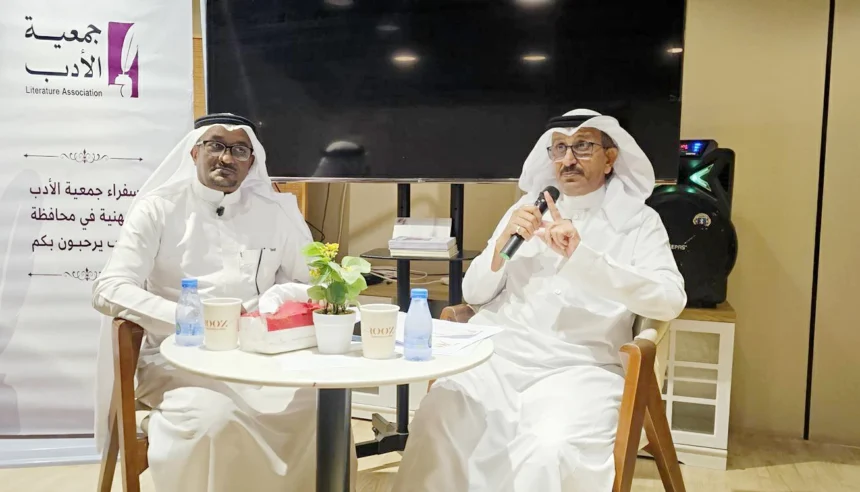
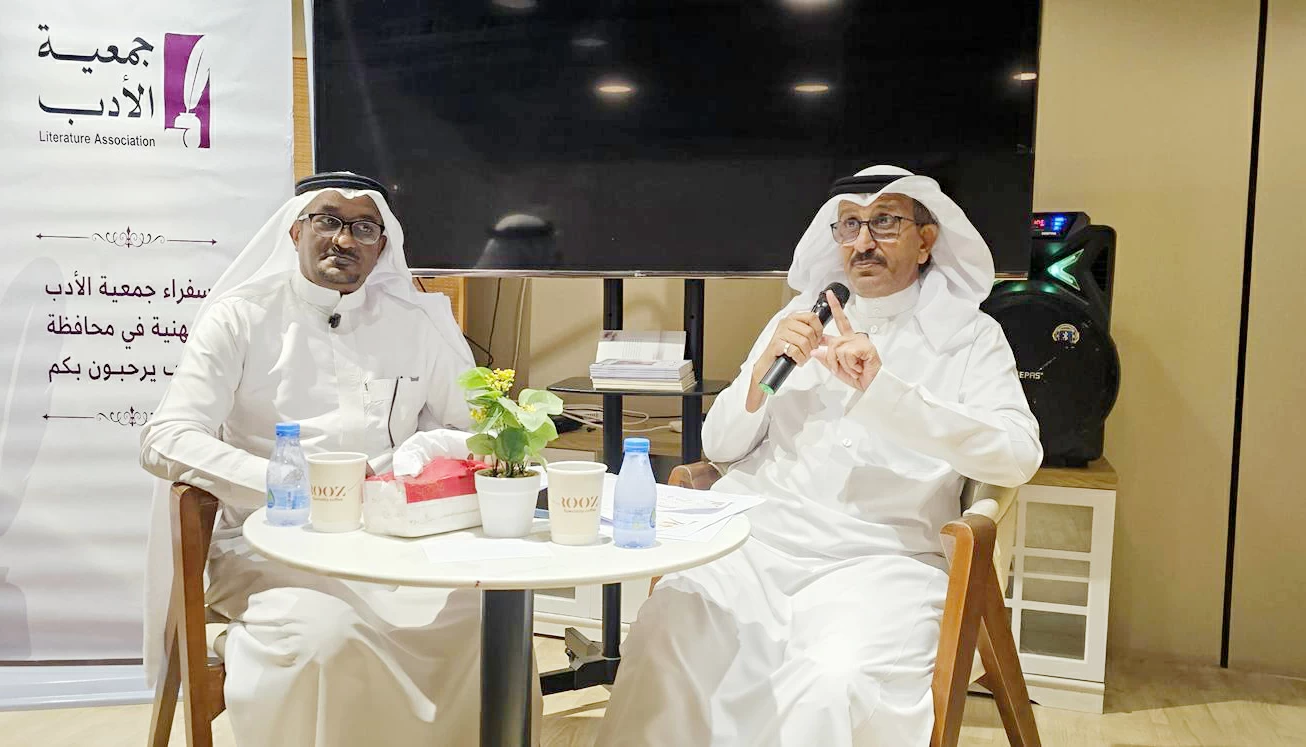
نظّمت جمعية الأدب المهنية، ممثلةً بسفرائها في محافظتي رفحاء والدرب، أمسيتين ثقافيتين احتفاءً باليوم العالمي للرواية العربية، بمشاركة الأديبين جمال الحميد وعلي حويش، وإدارة الشاعر والأديب سعد الثابتي لأمسية رفحاء، بحضور عدد من المهتمين بالشأن الثقافي والأدبي.
وجاءت أمسية رفحاء بعنوان «ما تبقّى من الرواية»، وتناولت تاريخ الرواية ومراحل تطورها، وخصوصية السرد العربي وأبرز تجاربه، والتحولات التي يشهدها في ظل التطورات العالمية وتقنيات الذكاء الاصطناعي، وأهمية القراءة الواعية للأعمال الروائية.
فيما حملت أمسية الدرب عنوان «ما لا يكتبه المؤرخ.. تقوله الرواية»، وناقشت العلاقة بين الرواية والتاريخ، ودور السرد في استحضار الجوانب الإنسانية والاجتماعية، وحفظ الذاكرة، والتعبير عن تحولات المجتمع وإعادة قراءة الأحداث من زوايا متعددة.
وشهدت الأمسيتان نقاشات ومداخلات من الحضور حول واقع الرواية العربية ومستقبلها، وقدرتها على التعبير عن التجربة الإنسانية، وذلك ضمن برامج الجمعية الهادفة إلى تنشيط الحراك الثقافي في المحافظات وتوسيع المشاركة المجتمعية في الفعاليات الأدبية.
The Professional Literature Association, represented by its ambassadors in the provinces of Rafha and Al-Darb, organized two cultural evenings in celebration of the World Arabic Novel Day, featuring the writers Jamal Al-Humaid and Ali Huwaish, with poet and writer Saad Al-Thabiti managing the Rafha evening, attended by a number of cultural and literary enthusiasts.
The Rafha evening was titled “What Remains of the Novel,” and it addressed the history of the novel and its stages of development, the uniqueness of Arabic narration and its most prominent experiences, the transformations it is witnessing in light of global developments and artificial intelligence technologies, and the importance of conscious reading of literary works.
Meanwhile, the Al-Darb evening was titled “What the Historian Does Not Write… the Novel Tells,” and it discussed the relationship between the novel and history, the role of narration in evoking human and social aspects, preserving memory, expressing societal transformations, and re-reading events from multiple perspectives.
Both evenings witnessed discussions and interventions from the audience regarding the reality of the Arabic novel and its future, and its ability to express the human experience, as part of the association’s programs aimed at invigorating cultural movement in the provinces and expanding community participation in literary events.