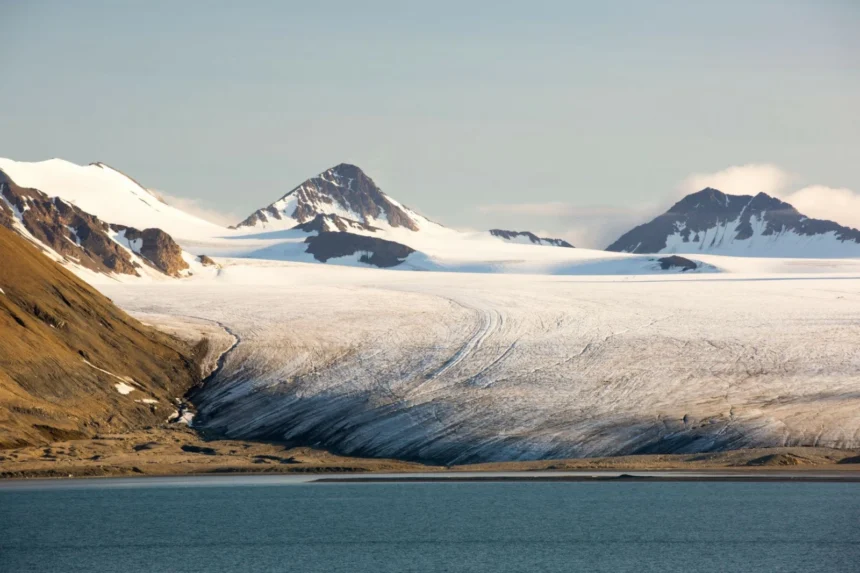
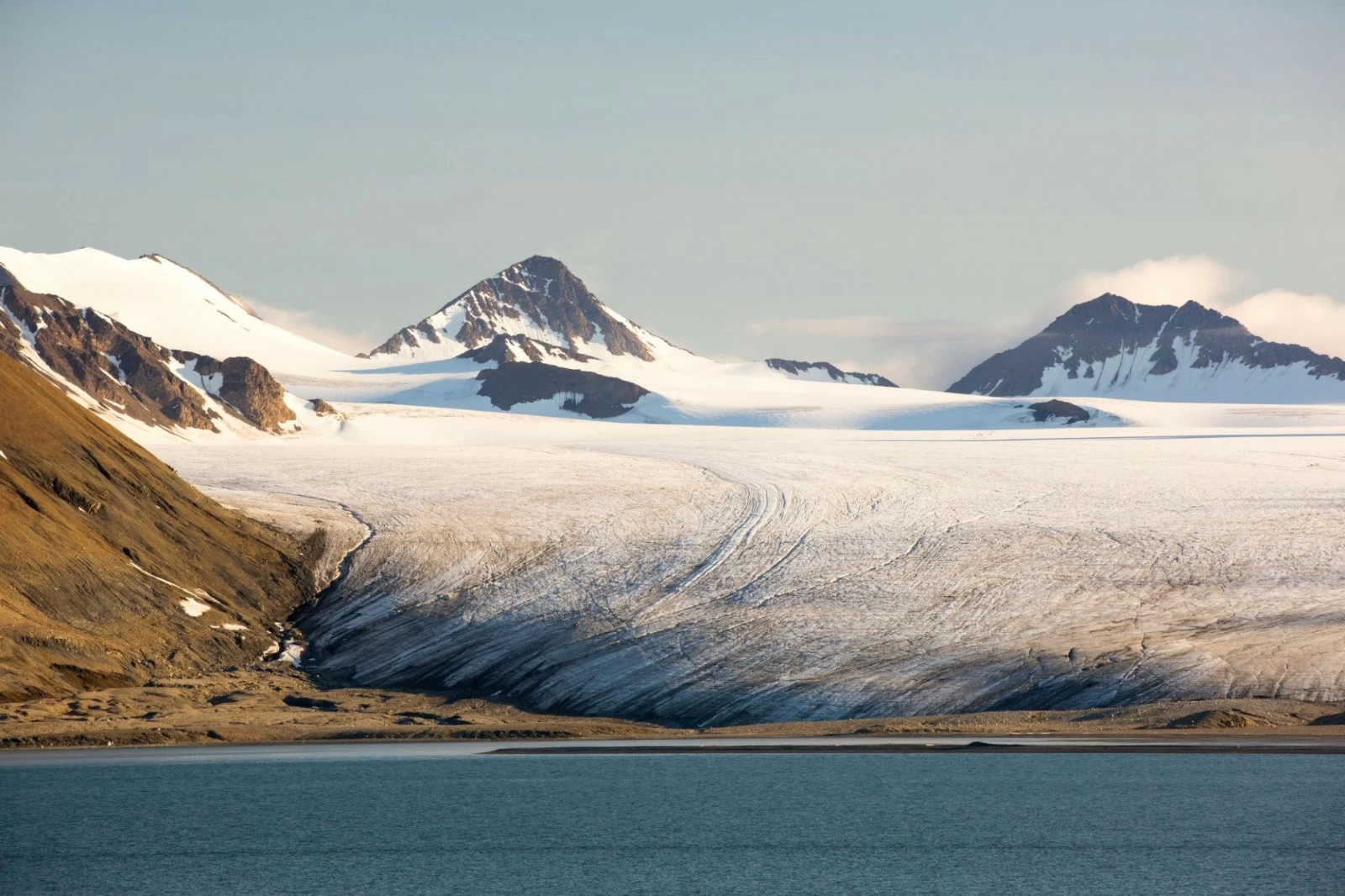
كشفت دراسة روسية حديثة أن سرعة ذوبان الأنهار الجليدية في منطقة القطب الشمالي لا ترتبط بارتفاع درجات الحرارة والتغيرات المناخية فقط، بل تتأثر أيضاً بتغيّر شكل الأنهار الجليدية وأحجامها وارتفاع أسطحها مع مرور الوقت.
وتوصل باحثون في المعهد الروسي لأبحاث القطبين الشمالي والجنوبي إلى النتائج بعد تحليل بيانات مراقبة طويلة الأمد لنهري «ألدغوندا» و«غرب غرونفيورد» الجليديين في أرخبيل سفالبارد، إذ تبين أن التغيرات الهندسية التي تطرأ على الكتل الجليدية نفسها يمكن أن تزيد معدلات فقدان الجليد.
20 متراً من الكتلة الجليدية
وأظهرت بيانات الباحثين أن النهرين الجليديين فقدا خلال الفترة من 2013 إلى 2025 ما يعادل نحو 18 إلى 20 متراً من المياه عند قياس خسارة الكتلة الجليدية.
واعتمد العلماء في حساباتهم على طريقتين، الأولى تأخذ في الاعتبار التغير السنوي في شكل سطح النهر الجليدي، فيما تفترض الثانية بقاء هندسة النهر الجليدي كما كانت مسجلة عام 2008، بهدف تحديد حجم التأثير الذي ينتج عن تغير شكل الكتلة الجليدية بمرور السنوات.
سطح أقل ارتفاعاً.. وحرارة أعلى
وأوضح الباحثون أن ذوبان الجليد يؤدي تدريجياً إلى انخفاض سطح النهر الجليدي إلى مستويات أقل ارتفاعاً، حيث تكون درجات حرارة الهواء أعلى، وهو ما يؤدي بدوره إلى تسريع الذوبان حتى في حال عدم حدوث ارتفاع إضافي في درجات الحرارة.
ووفق النتائج، يؤدي هذا العامل إلى زيادة سنوية إضافية في فقدان الجليد بنحو 1 إلى 2% في نهر «ألدغوندا»، وبنحو 0.5 إلى 1% في نهر «غرب غرونفيورد»، مقارنة بالخسائر المرتبطة بالعوامل المناخية وحدها.
وقال كبير الباحثين في المعهد أنطون تيريخوف إن انخفاض سطح النهر الجليدي مع استمرار الذوبان يضعه داخل طبقات هوائية أكثر دفئاً، وبالتالي يمكن أن تتسارع خسارة الجليد حتى دون تغير الظروف الجوية نفسها.
دقة أكبر في توقعات الذوبان
وأكد الباحثون أن تأثير تغير هندسة الأنهار الجليدية لا يزال محدوداً خلال العقود الأخيرة مقارنة بالتأثير المناخي، إلا أن تجاهله في الدراسات طويلة الأمد قد يؤدي إلى احتساب جزء من الذوبان الناتج عن تغير شكل النهر الجليدي على أنه ناتج مباشرة عن تغير المناخ.
ويرى الفريق العلمي أن إدخال هذا العامل في النماذج المستقبلية، إلى جانب الاستفادة من نماذج الارتفاع الرقمية وبيانات الأقمار الصناعية، يمكن أن يساعد على تقديم تقديرات أكثر دقة لمعدلات ذوبان الأنهار الجليدية في القطبين الشمالي والجنوبي، وفصل تأثير ارتفاع درجات الحرارة عن التغيرات الطبيعية التي تطرأ على هندسة الكتل الجليدية.
A recent Russian study revealed that the speed of glacier melting in the Arctic region is not only related to rising temperatures and climate changes but is also affected by changes in the shape, size, and elevation of the glaciers over time.
Researchers at the Russian Institute for Arctic and Antarctic Research reached these conclusions after analyzing long-term monitoring data of the “Aldgonda” and “West Gronfjord” glaciers in the Svalbard archipelago, finding that geometric changes occurring in the ice masses themselves can increase rates of ice loss.
20 meters of glacial mass
The researchers’ data showed that the two glaciers lost the equivalent of about 18 to 20 meters of water when measuring glacial mass loss during the period from 2013 to 2025.
The scientists based their calculations on two methods: the first takes into account the annual change in the shape of the glacier surface, while the second assumes that the glacier’s geometry remains as recorded in 2008, in order to determine the magnitude of the impact resulting from changes in the shape of the ice mass over the years.
Lower elevation… and higher temperatures
The researchers explained that ice melting gradually leads to a decrease in the glacier’s surface to lower elevations, where air temperatures are higher, which in turn accelerates melting even if no additional rise in temperatures occurs.
According to the results, this factor leads to an additional annual increase in ice loss of about 1 to 2% in the “Aldgonda” glacier, and about 0.5 to 1% in the “West Gronfjord” glacier, compared to losses associated solely with climatic factors.
Lead researcher Anton Terykhov stated that the decrease in the glacier’s surface, as melting continues, places it within warmer air layers, and thus ice loss can accelerate even without changes in weather conditions themselves.
Greater accuracy in melting predictions
The researchers confirmed that the impact of changes in glacier geometry has remained limited in recent decades compared to climatic impact; however, ignoring it in long-term studies may lead to attributing part of the melting resulting from changes in glacier shape directly to climate change.
The scientific team believes that incorporating this factor into future models, along with utilizing digital elevation models and satellite data, can help provide more accurate estimates of glacier melting rates in the Arctic and Antarctic, separating the effects of rising temperatures from the natural changes occurring in the geometry of ice masses.