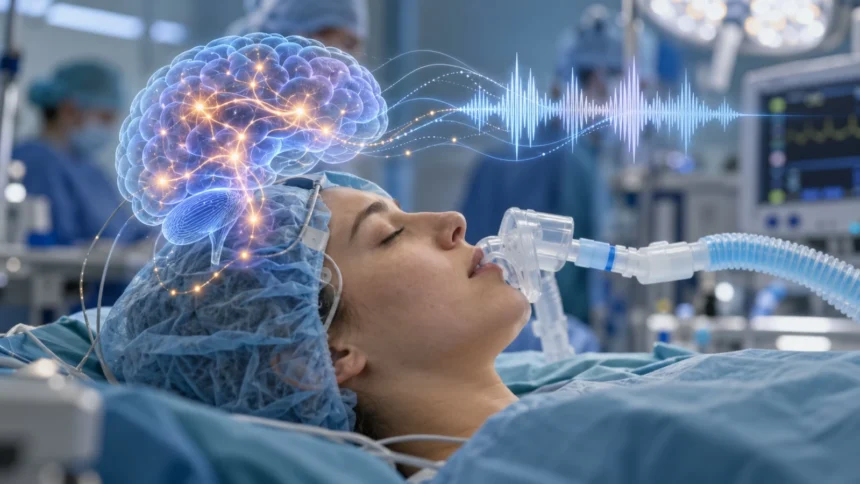
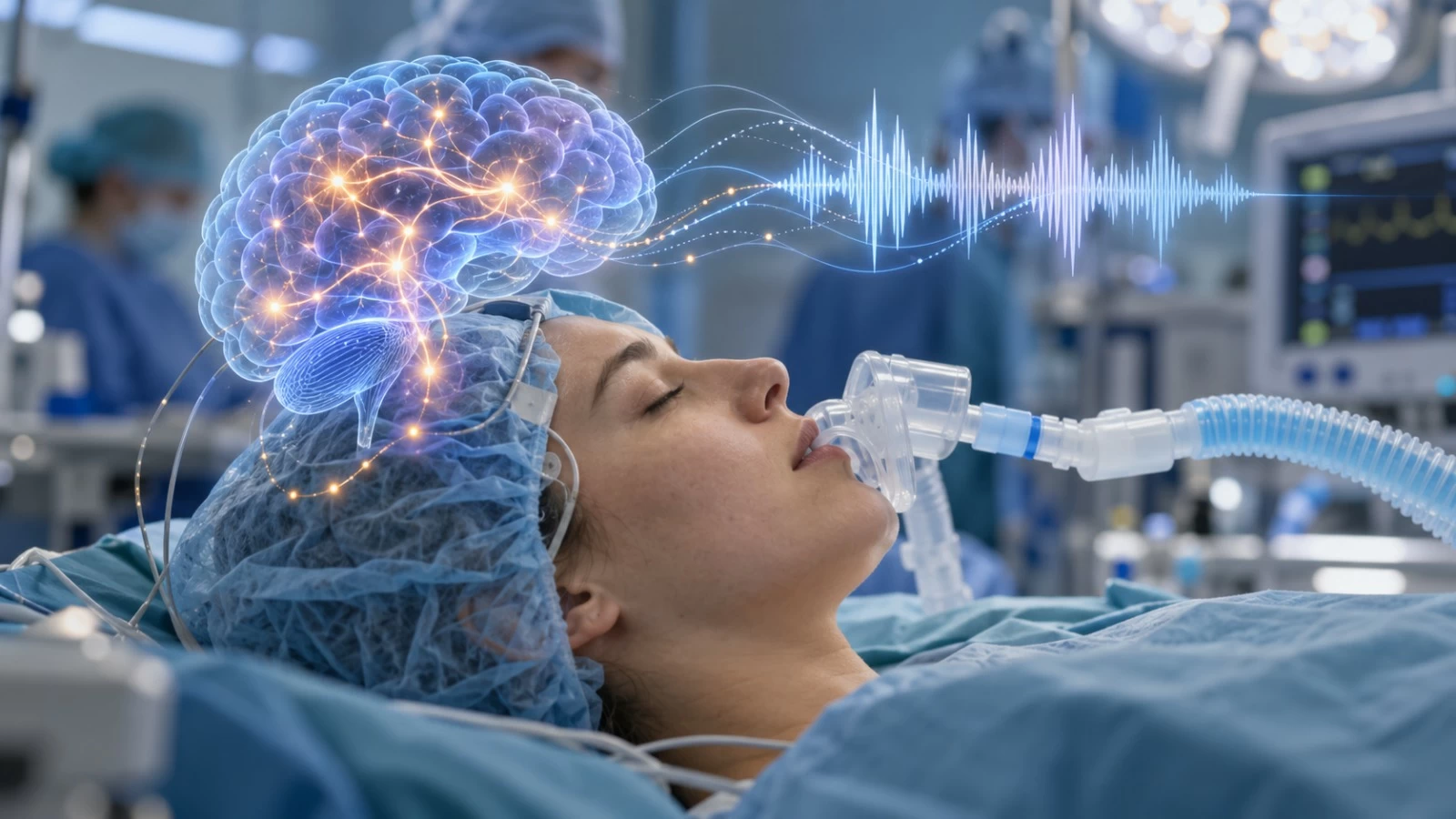
كشفت دراسة علمية أن الدماغ البشري يواصل تنفيذ عمليات معقدة مرتبطة بالكلام والتعلّم حتى أثناء فقدان الوعي الناتج عن التخدير العام، إذ أظهرت تسجيلات مباشرة من خلايا الدماغ استمرار معالجة معاني الكلمات وخصائصها اللغوية، بل وظهور نشاط عصبي يرتبط بتوقّع معلومات عن الكلمات التي ستأتي لاحقاً.
وأجرى الدراسة باحثون بقيادة كلية بايلور للطب في الولايات المتحدة، بمشاركة علماء من مؤسسات بحثية عدة، ونشرت نتائجها مجلة «Nature».
واعتمد العلماء على تسجيل النشاط العصبي مباشرة من منطقة «الحُصين»، وهي إحدى مناطق الدماغ المرتبطة بالتعلم والذاكرة، باستخدام أقطاب «Neuropixels» عالية الكثافة التي أتاحت تتبع نشاط خلايا عصبية منفردة إلى جانب الإشارات الكهربائية المحلية داخل الدماغ.
وشملت الدراسة سبعة مرضى تتراوح أعمارهم بين 25 و54 عاماً، بينهم أربع رجال وثلاث نساء، وجميعهم يعانون صرع الفص الصدغي المقاوم للأدوية، وكانوا يخضعون لجراحات تهدف إلى السيطرة على النوبات.
وخلال التجارب كان المرضى تحت تخدير عام مستقر يعتمد بصورة رئيسية على عقار «البروبوفول»، فيما حرص أطباء التخدير على إبقاء مستوى التخدير ضمن النطاق المعتاد المستخدم أثناء الجراحة.
الدماغ يميّز الصوت المختلف
بدأ الباحثون بتشغيل سلسلة من النغمات المتكررة للمرضى، تتخللها بين حين وآخر نغمات مختلفة وغير متوقعة، فيما كانوا يسجلون استجابة الخلايا العصبية داخل الحُصين.
وأظهرت النتائج أن الخلايا العصبية استطاعت التمييز بدرجة معينة بين النغمات المتكررة والصوت المختلف، رغم أن المشاركين كانوا فاقدي الوعي تحت التخدير.
واللافت أن قدرة الدماغ على تمثيل النغمات غير المتوقعة أصبحت أقوى مع مرور الوقت، إذ ازداد حجم الاستجابة العصبية خلال نحو 10 دقائق من التجربة.
واعتبر الباحثون ذلك دليلاً على استمرار شكل من أشكال «المرونة العصبية» أو التعلم التمثيلي، ما يعني أن أنماط النشاط داخل الدماغ لم تكن ثابتة تماماً أثناء التخدير، بل استمرت في التكيّف مع الأصوات المحيطة.
قصص تُسمع والوعي غائب
وفي جزء آخر من التجربة، شغّل الفريق كلاماً طبيعياً للمرضى أثناء التخدير، ثم درسوا كيفية استجابة خلايا الحُصين للكلمات والجمل.
ووجد العلماء أن النشاط العصبي حمل معلومات تتعلق بالمعاني الدلالية للكلمات، ولم يقتصر على مجرد تسجيل وصول صوت إلى الأذن.
كما ظهرت إشارات مرتبطة بالخصائص النحوية للكلام، ما يعني أن الدماغ استطاع التفريق بين جوانب مختلفة في اللغة رغم غياب الوعي الظاهر.
وأظهرت التسجيلات أيضاً أن بعض الخلايا والإشارات الكهربائية داخل الحُصين حملت معلومات تساعد على التنبؤ بالدلالة المحتملة للكلمات المقبلة قبل نطقها، وهي آلية يستخدمها الدماغ عادة أثناء الاستماع إلى الكلام لفهم السياق وتوقع ما قد يأتي لاحقاً.
أبعد من مجرد السمع
ويكتسب الاكتشاف أهميته من أن منطقة «الحُصين» ليست من المناطق السمعية الأولية المسؤولة مباشرة عن استقبال الأصوات، بل تقع أبعد وظيفياً وتشريحياً عن القشرة السمعية.
ويرى الباحثون أن وصول المعالجة إلى هذه المنطقة يدل على أن المعلومات الصوتية يمكن أن تمر عبر مستويات متقدمة من التحليل داخل الدماغ حتى أثناء فقدان الوعي.
وتشير النتائج إلى أن التخدير العام لا يوقف كل أشكال معالجة المعلومات في الدماغ، وإنما يفصل بين استمرار بعض العمليات العصبية وبين التجربة الواعية التي يشعر بها الإنسان.
هل يسمع المريض ما يدور حوله؟
ولا تعني النتائج أن الشخص الخاضع للتخدير يكون واعياً بالمحادثات من حوله أو يستطيع تذكرها بعد الاستيقاظ.
وفي الدراسة، لم يبلغ أي من المرضى عن امتلاك ذاكرة صريحة للأحداث التي جرت خلال العملية عندما سُئلوا بعد الجراحة.
ويؤكد هذا الفرق أن اكتشاف نشاط عصبي يتعامل مع الكلمات لا يساوي بالضرورة وجود وعي أو إدراك واعٍ لما يسمعه المريض.
فالدماغ قد يستمر في تحليل بعض المحفزات بصورة تلقائية من دون أن تتحول هذه المعالجة إلى تجربة واعية يستطيع الإنسان تذكرها لاحقاً.
7 مرضى تحت مراقبة دقيقة
وأجرى الباحثون التسجيلات العصبية لمدة لم تتجاوز 30 دقيقة لكل مريض، بعد مرور ساعات على بدء التخدير، وفي مرحلة مستقرة من العملية الجراحية.
واستخدم الفريق مؤشر «BIS»، وهو أحد الأساليب المستخدمة لمراقبة عمق التخدير من خلال النشاط الكهربائي للدماغ، وحُفظت القراءات بين 45 و60 أثناء التجارب، وهي ضمن المستويات المعتادة للتخدير الجراحي العام.
ويقلل ذلك من احتمال أن تكون النتائج ناجمة ببساطة عن استيقاظ المرضى أو خروجهم من حالة التخدير أثناء التسجيل.
أسئلة جديدة عن الوعي
وتضيف الدراسة دليلاً إلى النقاش العلمي حول مقدار العمليات العقلية التي تحتاج بالفعل إلى وجود وعي كامل.
فالنتائج تشير إلى أن التمييز بين الأنماط الصوتية، والتكيف معها، ومعالجة بعض المعاني والخصائص النحوية، إضافة إلى التنبؤ بالمعلومات المقبلة، يمكن أن تستمر جزئياً حتى عندما يكون الشخص فاقداً للوعي بسبب التخدير.
ويرى الباحثون أن فهم هذه العمليات قد يساعد مستقبلاً في دراسة العلاقة بين الوعي والذاكرة واللغة، كما يمكن أن تكون له تطبيقات في أبحاث واجهات الدماغ والحاسوب ووسائل التواصل مع الأشخاص الذين فقدوا القدرة على الكلام.
ومع ذلك، تظل الدراسة محدودة بعدد صغير من المشاركين وبفئة محددة من مرضى الصرع، ما يعني أن النتائج تحتاج إلى دراسات أوسع قبل تعميمها على جميع الأشخاص أو جميع أنواع التخدير.
A scientific study has revealed that the human brain continues to perform complex processes related to speech and learning even during loss of consciousness caused by general anesthesia. Direct recordings from brain cells showed that the brain continues to process the meanings of words and their linguistic properties, with neural activity appearing that is associated with anticipating information about words that will come later.
The study was conducted by researchers led by Baylor College of Medicine in the United States, in collaboration with scientists from several research institutions, and its results were published in the journal “Nature”.
The scientists relied on recording neural activity directly from the hippocampus, which is one of the brain areas associated with learning and memory, using high-density “Neuropixels” electrodes that allowed tracking the activity of individual neurons alongside local electrical signals within the brain.
The study included seven patients aged between 25 and 54 years, including four men and three women, all of whom suffered from drug-resistant temporal lobe epilepsy and were undergoing surgeries aimed at controlling seizures.
During the experiments, the patients were under stable general anesthesia primarily based on the drug “propofol,” while anesthesiologists ensured that the level of anesthesia remained within the usual range used during surgery.
The brain distinguishes different sounds
The researchers began playing a series of repetitive tones for the patients, interspersed with different and unexpected tones, while recording the response of neurons within the hippocampus.
The results showed that the neurons were able to distinguish to a certain degree between the repetitive tones and the different sound, even though the participants were unconscious under anesthesia.
Notably, the brain’s ability to represent unexpected tones became stronger over time, as the volume of neural response increased during about 10 minutes of the experiment.
The researchers considered this evidence of the continued form of “neural plasticity” or representational learning, meaning that the patterns of activity within the brain were not entirely static during anesthesia but continued to adapt to the surrounding sounds.
Stories heard while consciousness is absent
In another part of the experiment, the team played natural speech for the patients while they were under anesthesia, then studied how the hippocampal cells responded to words and sentences.
The scientists found that the neural activity carried information related to the semantic meanings of the words, and was not limited to merely recording the arrival of sound to the ear.
There were also signals related to the grammatical properties of speech, indicating that the brain was able to differentiate between various aspects of language despite the apparent absence of consciousness.
The recordings also showed that some cells and electrical signals within the hippocampus carried information that helped predict the potential meaning of upcoming words before they were spoken, a mechanism that the brain typically uses while listening to speech to understand context and anticipate what may come next.
Beyond mere hearing
The significance of the discovery lies in the fact that the hippocampus is not one of the primary auditory areas directly responsible for receiving sounds, but is functionally and anatomically located further away from the auditory cortex.
The researchers believe that the processing reaching this area indicates that auditory information can pass through advanced levels of analysis within the brain even during loss of consciousness.
The results suggest that general anesthesia does not halt all forms of information processing in the brain, but rather separates the continuation of some neural processes from the conscious experience that a person feels.
Does the patient hear what is happening around them?
The results do not imply that a person under anesthesia is aware of the conversations around them or can remember them after waking up.
In the study, none of the patients reported having explicit memory of the events that occurred during the procedure when asked after surgery.
This distinction confirms that discovering neural activity that deals with words does not necessarily equate to the presence of awareness or conscious perception of what the patient hears.
The brain may continue to analyze some stimuli automatically without this processing turning into a conscious experience that a person can remember later.
7 patients under close monitoring
The researchers conducted neural recordings for no more than 30 minutes for each patient, after several hours of anesthesia had passed, and at a stable stage of the surgical procedure.
The team used the “BIS” index, which is one of the methods used to monitor the depth of anesthesia through the brain’s electrical activity, and the readings were maintained between 45 and 60 during the experiments, which are within the usual levels for general surgical anesthesia.
This reduces the likelihood that the results were simply due to the patients waking up or coming out of the anesthetic state during the recording.
New questions about consciousness
The study adds evidence to the scientific discussion about how much mental processing actually requires full consciousness.
The results indicate that the distinction between auditory patterns, adaptation to them, processing some meanings and grammatical properties, along with predicting upcoming information, can partially continue even when a person is unconscious due to anesthesia.
The researchers believe that understanding these processes may help in the future to study the relationship between consciousness, memory, and language, and may have applications in brain-computer interface research and communication methods with individuals who have lost the ability to speak.
However, the study remains limited by the small number of participants and a specific category of epilepsy patients, meaning that the results need broader studies before generalizing them to all individuals or all types of anesthesia.