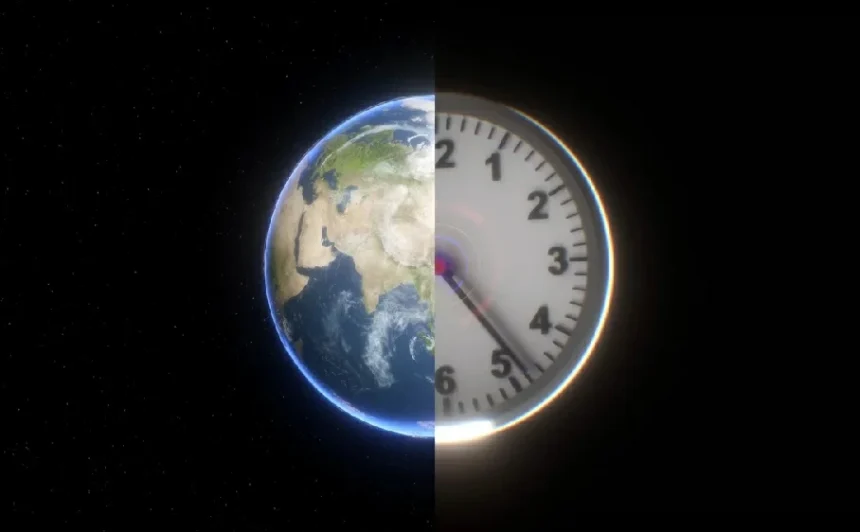
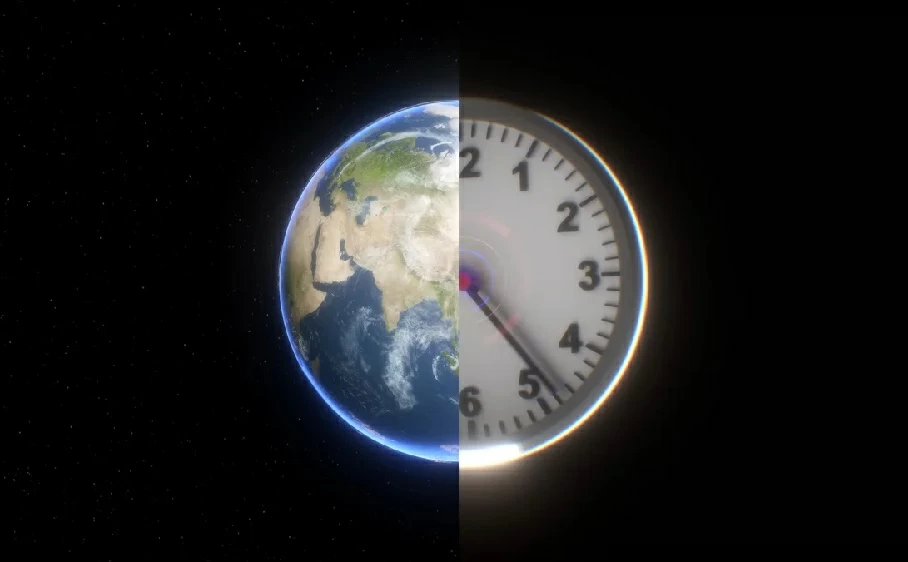
تستعد دول العالم لطي صفحة (الثانية الكبيسة) وبدء مرحلة جديدة في حساب الوقت اعتبارًا من عام 2027، بعدما تقرر اعتماد التوقيت العالمي المنسق بصورة مستمرة دون إدخال التعديلات الدورية التي كانت تُضاف لمواءمة الوقت الذري مع دوران الأرض، في خطوة وُصفت بأنها من أكبر التغييرات الزمنية منذ عقود.
لماذا وُجدت الثانية الكبيسة؟
بدئ العمل بالثانية الكبيسة عام 1972 للحفاظ على التقارب بين التوقيت العالمي المنسق (UTC) الذي تستند إليه الساعات الذرية فائقة الدقة، والتوقيت الفلكي المرتبط بدوران الأرض حول محورها. ونظرًا لأن دوران الأرض لا يتم بوتيرة ثابتة تمامًا، كان من الضروري إضافة ثانية إضافية كلما اقترب الفارق بين النظامين من الحد المسموح به.
وخلال العقود الماضية أُضيفت 27 ثانية كبيسة، وكانت آخر مرة جرى فيها ذلك في نهاية عام 2016، حيث تحولت الدقيقة الأخيرة من اليوم آنذاك إلى 61 ثانية بدلًا من 60.
الحواسيب تخسر معركة الثانية
ورغم أن معظم البشر لا يشعرون بمرور هذه الثانية الإضافية، فإن الأمر يختلف جذريًا بالنسبة إلى الأنظمة الرقمية الحديثة؛ فشبكات الاتصالات والخوادم ومراكز البيانات وأنظمة الملاحة والبنية التحتية للطاقة تعتمد جميعها على مزامنة دقيقة للغاية للوقت، ما يجعل أي تعديل مفاجئ مصدرًا محتملاً للأخطاء والاضطرابات التقنية.
ولهذا السبب قرر المؤتمر العام للأوزان والمقاييس اعتماد نظام توقيت عالمي متواصل اعتبارًا من 20 مايو 2027، بما يضمن استقرارًا أكبر للأنظمة الرقمية التي أصبحت تشكل العمود الفقري للحياة الحديثة.
مخاوف من سيناريو غير مسبوق
ومن بين الأسباب التي عجّلت بالتخلي عن الثانية الكبيسة، المخاوف من ظهور ما يُعرف بـ(الثانية الكبيسة السالبة)؛ وهي حالة تتطلب حذف ثانية من التوقيت بدلًا من إضافتها. ولم يُطبق هذا الإجراء من قبل، فيما تخشى الجهات المختصة أن تكون أنظمة حاسوبية كثيرة غير مهيأة للتعامل معه وما قد يسببه من أعطال معقدة.
وبموجب النظام الجديد، سيُسمح للفارق بين التوقيت العالمي المنسق والزمن الفلكي بالاتساع تدريجيًا حتى يصل إلى ساعة كاملة، بدلًا من الحد الحالي الذي لا يتجاوز 0.9 ثانية.
أما بالنسبة إلى الحياة اليومية، فلا يتوقع الخبراء أن يشعر الناس بأي تغيير ملحوظ في مواعيدهم أو ساعاتهم خلال المستقبل المنظور، إذ سيزداد الفارق ببطء شديد على مدى سنوات طويلة، بينما تحقق الخطوة في المقابل استقرارًا أكبر للأنظمة التقنية وشبكات الاتصالات والمشروعات الفضائية حول العالم.
The countries of the world are preparing to close the chapter on the leap second and begin a new phase in timekeeping starting from 2027, after it was decided to adopt Coordinated Universal Time (UTC) continuously without the periodic adjustments that were added to align atomic time with the Earth’s rotation, in a move described as one of the biggest time changes in decades.
Why Was the Leap Second Introduced?
The leap second was first introduced in 1972 to maintain the alignment between Coordinated Universal Time (UTC), which is based on highly accurate atomic clocks, and astronomical time related to the Earth’s rotation on its axis. Since the Earth’s rotation does not occur at a perfectly constant rate, it was necessary to add an extra second whenever the difference between the two systems approached the allowable limit.
Over the past decades, 27 leap seconds have been added, with the last addition occurring at the end of 2016, when the last minute of that day turned into 61 seconds instead of 60.
Computers Lose the Leap Second Battle
Although most humans do not feel the passing of this extra second, the situation is drastically different for modern digital systems; communication networks, servers, data centers, navigation systems, and energy infrastructure all rely on extremely precise time synchronization, making any sudden adjustment a potential source of errors and technical disruptions.
For this reason, the General Conference on Weights and Measures decided to adopt a continuous global time system starting from May 20, 2027, ensuring greater stability for the digital systems that have become the backbone of modern life.
Concerns About an Unprecedented Scenario
Among the reasons that hastened the abandonment of the leap second are concerns about the emergence of what is known as the “negative leap second”; a situation that requires removing a second from the time instead of adding one. This procedure has never been implemented before, and authorities fear that many computer systems may not be prepared to handle it and the complex failures it could cause.
Under the new system, the difference between Coordinated Universal Time and astronomical time will be allowed to gradually widen until it reaches a full hour, instead of the current limit of no more than 0.9 seconds.
As for daily life, experts do not expect people to notice any significant changes in their schedules or clocks in the foreseeable future, as the difference will increase very slowly over many years, while the move simultaneously achieves greater stability for technical systems, communication networks, and space projects around the world.