منذ بدايات القرن العشرين، اهتمت الكويت بالتعليم باعتباره ضرورة حضارية وسبيلها نحو النهضة والارتقاء واللحاق بالأمم المتقدمة. وفي الوقت نفسه، قام الكويتيون، ولا سيما الميسورون منهم ممن سافروا إلى الخارج وتعرفوا على أنماط المعيشة فيه، وشاهدوا معاهد العلم والإقبال على التعليم، بدعم توجهات الحكومة لجهة نشر التعليم وافتتاح المدارس والمساهمة في العملية التربوية والتعليمية، فأثمرت تلك المساعي عن ظهور مدارس نظامية كالمباركية والأحمدية والصباح في الأعوام 1911 و1921 و1948 على التوالي، علاوة على انتشار عدد من الكتاتيب المتقدمة والمتنوعة في دروسها ومناهجها، واستقدام مدرسين أكفاء من فلسطين ومصر والعراق وبلاد الشام.
وقبل استقلال الكويت سنة 1961 وتحولها من الإمارة إلى الدولة، بأكثر من عقدين تقريبًا، استثمرت البلاد جزءًا معتبرًا من مداخيل النفط في قطاع التعليم عبر تطبيق نظام تعليمي شامل ومجاني يغطي كافة المراحل، وبناء المزيد من المدارس والمعاهد المتخصصة، وابتعاث البنين والبنات إلى الخارج للالتحاق بالجامعات العربية والأجنبية بهدف إعداد كوادر وطنية مؤهلة لقيادة البلاد إداريًا وتنمويًا.
ومما ورد في الأدبيات التربوية الكويتية، أنه تم في عام 1936 تشكيل أول مجلس للمعارف برئاسة الشيخ عبدالله الجابر الصباح، رحمه الله، وهو المجلس الذي تحول إلى «دائرة المعارف»، ثم شكّل نواة وزارة التربية والتعليم بعد الاستقلال. وفي عام 1937، أشرف هذا المجلس على تأسيس «المدرسة القبلية» كأول مدرسة نظامية للبنات، وهي المدرسة التي خرّجت أول دفعة من الحاصلات على شهادة الثانوية العامة سنة 1956، وقد تم حينها ابتعاث سبع منهن إلى مصر لاستكمال دراستهن الجامعية على نفقة الدولة.
والحقيقة، أن للشيخ عبدالله الجابر دورًا محوريًا وطليعيًا في تطوير العملية التربوية والتعليمية والارتقاء بأحوالها وأجهزتها ومناهجها ومنسوبيها منذ تسلمه دائرة المعارف، ولا سيما الشق المتعلق بتعليم الفتيات. إذ كان لشخصيته القيادية المتنورة والمؤمنة بأهمية التعليم، وضرورة أن تنال المرأة الكويتية نصيبًا مماثلًا ومساويًا لما يتمتع به شقيقها الرجل من فرص، دور محوري في إقناع مجتمع الكويت القبلي، الذي كانت تغلب عليه الأمية وقتذاك، بفوائد إرسال الفتيات إلى المدارس. فقد عرف من واقع خبرته الطويلة والمسؤوليات المتنوعة التي أنيطت به أن التيار القبلي المحافظ سوف يقف له بالمرصاد، وسوف يتفنن في استخراج أسانيد من بطون الكتب القديمة للقول بأن إخراج النساء من بيوتهن إلى المدارس مفسدة وفتنة وفسوق وتغرّب وغير ذلك من الادعاءات والمزاعم. وهذا بالضبط ما حدث حينما قامت قيامة بعض المتشددين، وانطلقت حملة شعواء من المساجد ضد المشروع، إلى درجة أن المدرسة القبلية لم تشهد تسجيل أي فتاة عند افتتاح أبوابها.
لكن عبدالله الجابر لم يأبه، ولم يتراجع، ولجأ إلى أساليب الإقناع والترغيب. وكان مما فعله إرسال بناته إلى المدرسة والإعلان عن ذلك على الملأ، ثم إرسال مجموعة من فتيات الكويت المتعلمات إلى بيوت العائلات الكويتية لإقناعها بضرورة إرسال بناتها إلى المدارس، مع وعد بتلقيهن المزايا والمساعدات والإعانات الحكومية شهريًا، الأمر الذي ساهم كثيرًا في تراجع المعارضين عن مواقفهم السابقة.
كانت تلك مقدمة ضرورية للحديث عن رائدة من رائدات التعليم في الكويت، وإحدى أوائل الطالبات اللواتي غادرن البلاد في ستينيات القرن العشرين، ضمن أول دفعة مبتعثة إلى الخارج على نفقة الدولة للالتحاق بالجامعات المصرية، قبل عودتها إلى بلدها حاملة شعلة التنوير لخدمة بلدها وبنات جنسها.
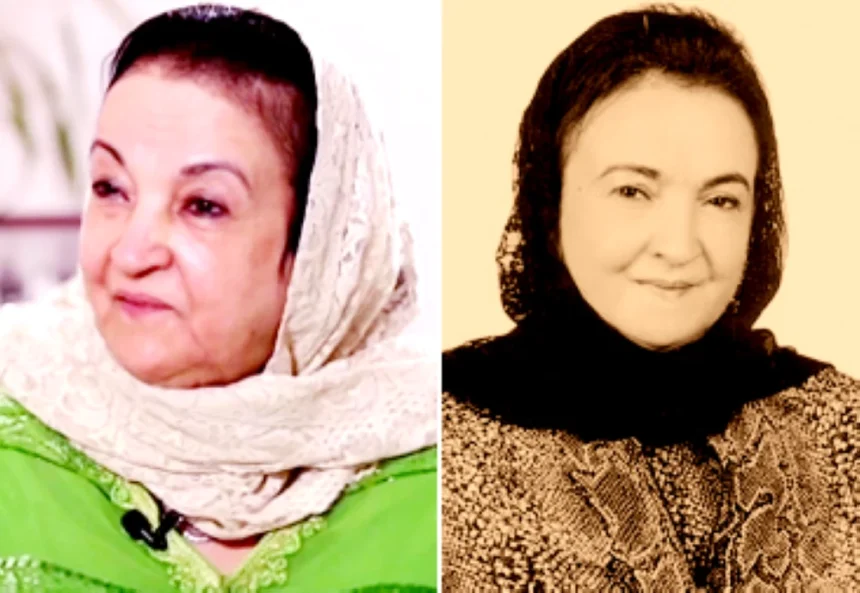
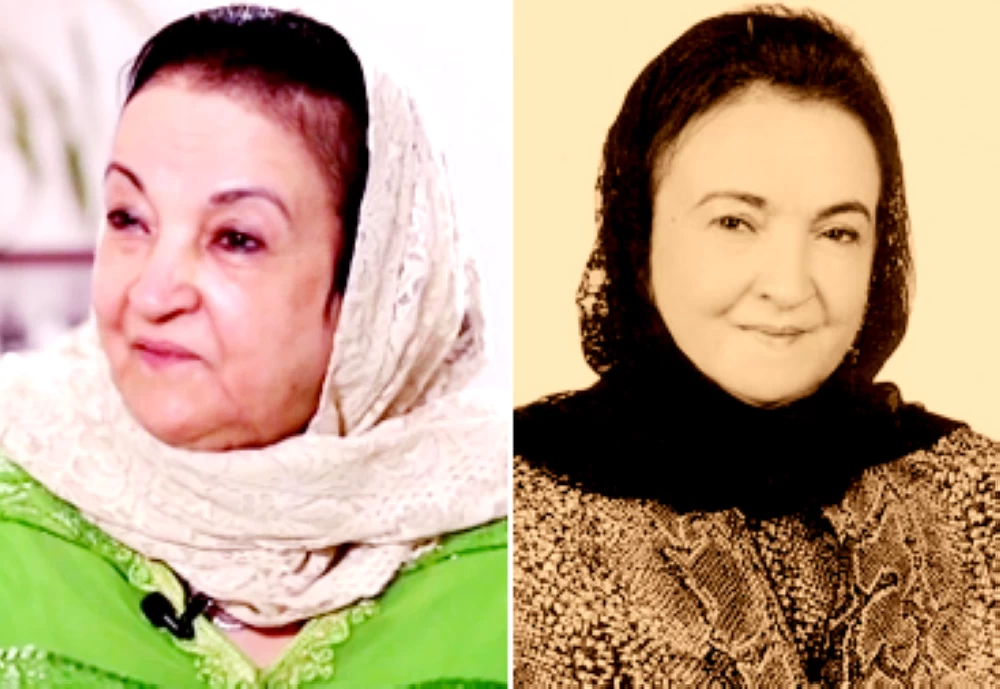
حديثنا هنا هو عن السيدة الفاضلة «سعاد السيد رجب الرفاعي»، وسوف نستعين في توثيق مسيرتها ونشاطها وآرائها ودورها التربوي والاجتماعي والتثقيفي بالعديد من المصادر المنشورة، ولا سيما كتابها الموسوم «مذكراتي»، الذي أصدرته في عام 2011 عن مؤسسة فهد المرزوق الصحفية، علاوة على ما ورد في المقابلات الصحفية والتلفزيونية التي أجريت معها في أوقات مختلفة.
بداية، لا بد من الإشارة إلى أن دواعي توثيق سيرتها تكمن في تجربتها الثرية على مدى 30 عامًا، كانت خلالها شاهدة على أحداث ومتغيرات كثيرة، ومعاصرة لعدد من الشخصيات المؤثرة في تاريخ الكويت التربوي، خصوصًا أنها تدرجت أثناء ذلك بين مختلف المناصب، بدءًا من معلمة، مرورًا بالتوجيه والمراقبة، قبل أن تصبح أول وكيلة للتعليم العام بوزارة التربية والتعليم الكويتية. هذا ناهيك عن أنها شكّلت نموذجًا للمرأة الكويتية العاملة التي نجحت بامتياز في التوفيق بين واجبات عملها في الدولة ومهامها الأسرية. وعن هذه النقطة تحديدًا، قالت في حوارها مع صحيفة «القبس» (19/5/2021): «تجربتي الشخصية لا تختلف كثيرًا عن تجربة العديد من النساء اللواتي لم يتركن الاهتمام بأسرهن لمصلحة عملهن، وهذا هو الأساس، فقد حملتُ عبء تربية أبنائي بنفسي ولكن دون أن أتجاهل دور الأب وهيبته رغم انشغاله، فزوجي، رحمة الله عليه، د. نائل النقيب، كان جراحًا، وطبيعة عمله تلك فرضت أن أتحمل بنفسي مسؤولية البيت بأكمله وأرعى أبنائي حتى يتفرغ هو لعمله، وكان دائمًا يقول (لولا سعاد ما نجحت في أدائي لعملي كطبيب)». وعن دور الأم في المنزل وعما إذا كان قد تراجع، قالت: «هناك من النساء من تراجع دورهن حيال الأسرة، لكنهن قلة، حيث انخفضت مسؤولياتهن برغبة منهن»، مشيرة إلى أن التوفيق بين الأسرة والعمل ليس بالمهمة الصعبة، كما أن تربية الأبناء يجب ألا تُترك لغير الأم.
تحدث عنها وزير التربية الكويتي الأسبق الدكتور يعقوب يوسف الغنيم، في مقدمة كتابها «مذكراتي»، الواقع في 430 صفحة من القطع المتوسط، فقال إنها أخت عزيزة وتنتمي إلى شجرة كريمة من السادة الرفاعيين، وأثنى عليها وعلى والدها وزوجها باعتبارهم من أعلام الكويت.
وكتب عنها أيضًا وزير التربية الأسبق الدكتور حسن الإبراهيم في المقدمة الثانية للكتاب، فأشار إلى أن كتابها فيه ثلاث رسائل يمكن استشرافها. ففي الرسالة الأولى تصف المجتمع الكويتي في الأربعينيات والخمسينيات، والرسالة الثانية تتمثل في الوصف الدقيق والرسائل غير المباشرة التي تدعو القارئ إلى المقارنة بين وضع التعليم في ذلك الوقت والوضع الذي وصل إليه في الوقت الحاضر. وأضاف: «تريد الست سعاد في الوصف الجذاب للتعليم في الكويت أن تقول إن المدارس في الكويت في ذلك الوقت كانت مراكز جذب، لا طرد، بسبب تنوع النشاطات الثقافية والرياضية داخل المدارس».
ولدت «سعاد السيد رجب السيد عبدالله الرفاعي» في منطقة الجبلة (القبلة) من العاصمة الكويت في عام 1939، ابنةً لأسرة كريمة معروفة. فوالدها هو السيد رجب السيد عبدالله الرفاعي، وهو علم من أعلام الكويت ومن الرعيل الأول من المتنورين والمثقفين. ولد في عام 1897، وكان نابغًا في الرياضيات، وقارئًا نهمًا في الأدب والشعر، ومحبًا لأخبار العرب ونوادرهم وتاريخهم، وتميز بشخصية مرنة واسعة الأفق والخيال. وتقلد منصب مدير المالية بدائرة المعارف، وكان عضوًا في مجلس المعارف لسنوات طويلة، وفي مطلع ستينيات القرن العشرين اختير ليشغل منصب أول سفير لدولة الكويت في تونس. أما والدتها فهي شريفة السيد طالب السيد رجب النقيب، ابنة السيد طالب باشا النقيب (1862–1929)، الزعيم السياسي العراقي، الذي كان مرشحًا لتولي عرش العراق، وبعد أن فاز الأمير فيصل بن الحسين (الملك فيصل الأول) بالعرش، صار أول وزير للداخلية العراقية، وهو ينحدر من أسرة تولت نقابة الأشراف في البصرة، وكانت ذات مكانة بارزة في العهد العثماني.
دخلت سعاد مرحلة الروضة في المدرسة القبلية، وفيها درست المرحلتين الابتدائية والإعدادية، وواصلت دراستها حتى نالت شهادة الثانوية العامة. وبعد ذلك حصلت على بعثة تعليمية إلى مصر، فسافرت برفقة ست طالبات كويتيات إلى القاهرة، حيث التحقت هناك بكلية الآداب في جامعة عين شمس، وتخصصت في علم النفس والفلسفة، وتخرجت في سبتمبر 1961.
ذكريات الطفولة والدراسة
أخبرتنا عن مرحلة طفولتها ومراحل تعليمها الأساسي داخل مدارس الكويت المتواضعة آنذاك، فقالت، إنها ارتبطت بالوطن، وإنها كبرت داخل أسوارها وكبر معها عشق الكويت «وطني الذي أعطاني ما أريد، ولا أدري كم أعطيه»، والولاء لحكامها الذين عاصرت منهم 8 شيوخ، بدءًا بالشيخ أحمد الجابر وانتهاءً بالشيخ مشعل الأحمد الجابر الصباح، وأن مدارسها زرعت فيها، منذ أن كانت طفلة صغيرة بضفائر مزينة بشرائط بيضاء، مجموعة قيم نبيلة حرصت بدورها على أن تنبتها في وجدان أبنائها. وتحدثت عن الدراسة في زمنها، فقالت ما مفاده، إن المدرسة كانت آنذاك جذابة وتشكل لها ولزميلاتها متعة، بساحاتها وعلومها وأنشطتها اللاصفية ومكتبتها المكتظة بقصص الأطفال وروايات المشاهير، فنهلت ثقافتها الأولى من مكتبتها المدرسية ومن الكتب التي كان أخوها عبدالمطلب يزودها بها، وأضافت: «كانت المدرسة مرتعًا للعلم عقلًا وجسدًا، وكان الكتاب المدرسي المقرر يضم بين صفحاته السلوكيات المطلوبة وبتداخلات محببة توصلها المدرسة لعقولنا». وأخبرتنا أيضًا أنها كانت تطمح للدراسة الجامعية في بريطانيا، لكنها تفاجأت برفض والدها، الذي كان مرنًا في تعامله معها وكان من أكبر المؤيدين لتعليم البنات وحصولهن على الشهادات الجامعية. تقول سعاد إن والدها برر رفضه بمصاعب التغرب والوحدة في بلاد بعيدة كبريطانيا، لكنه وافق على سفرها إلى مصر بسبب قربها وسفرها مع زميلات لها وسكنهن هناك معًا تحت إشراف مشرفات من وزارة المعارف الكويتية.
بعد عودتها إلى وطنها، تم تعيينها معلمة لتدريس مادة الفلسفة في ثانوية المرقاب، فقالت عن هذه النقلة في حياتها: «لم أشعر بالرهبة أو القلق، ولم ينتبني التوتر وأنا أخطو خطواتي الأولى إلى ثانوية المرقاب، بل كنت سعيدة وأنا أدخلها معلمة بعد أن كنت طالبة فيها، حيث وجدت أكثر معلماتي وقد أصبحت الآن زميلة لهن، ورأيت بعض الطالبات ممن لم يتخرجن بعد ومجموعات أخرى في سن مناسبة للمرحلة».
عطاء حتى التقاعد
في عام 1963، نالت ترقية فأصبحت وكيلة لمدرسة الخالدية، ثم نالت ترقية أخرى فأصبحت بموجبها ناظرة للخالدية لمدة عام واحد، ثم انتقلت إلى ثانوية الجزائر كناظرة لها، وذلك على إثر تحويل مدرسة الخالدية إلى مبنى الجامعة، وفي العام نفسه (1963) تزوجت من الطبيب الجراح نائل النقيب، رحمه الله. وفي عام 1967، حصل زوجها على بعثة دراسية إلى المملكة المتحدة لتحضير الماجستير، فسافرت معه، لكنها اضطرت للعودة إلى الكويت، فعادت للعمل بوزارة التربية والتعليم كموجهة تربوية، فعملت موجهة لمدة سنتين، ثم موجهة أولى لمدة ثلاث سنوات لمادة الاجتماعيات للمرحلة الثانوية. ثم عُيّنت مراقبة لإدارة التعليم الثانوي، وبعد سنتين تم تعيينها مديرة للتعليم الثانوي، ثم أصبحت وكيلة وزارة مساعدة للتعليم العام، فكانت أول وكيلة فعلية تمارس مهام الوكالة في الوزارة، لأن وكيلة الوزارة وقتها فضة الخالد (زميلتها في دفعة المبتعثات إلى مصر) كانت بدرجة مديرة عامة.
استمرت سعاد الرفاعي (أم هذيل)، تعمل كوكيلة للتعليم العام منذ ذاك إلى ما بعد تحرير الكويت، حينما عملت في ديوان وزارة التربية لمدة شهرين، ثم قدمت استقالتها في عام 1991 إلى وزيرة التربية والتعليم آنذاك الدكتورة موضي الحمود، وتقاعدت عن العمل، منتقدة في كتاب الاستقالة أوضاع وزارة التربية والتعليم.
خلال فترة عملها في وزارة التربية، والممتدة لنحو 30 عامًا (من 1961 إلى 1991)، قامت سعاد الرفاعي بالعديد من الزيارات الرسمية لبعض الدول العربية والأجنبية، على رأس وفد رسمي كويتي للاطلاع على تجارب هذه الدول وتبادل التعاون في مجال التربية والتعليم. ومن تلك الزيارات زيارتها إلى البحرين في عام 1985 للاطلاع على نظام التعليم بمملكة البحرين، حيث صرحت قائلة: «إن الهيكل التنظيمي، وإن كان محتواه متقاربًا مع هيكلنا التنظيمي في الكويت، إلا أن لديهم تجارب متجددة وجريئة».
وأخيرًا، فقد أنجبت سعاد الرفاعي لزوجها الجراح نائل النقيب ابنهما البكر هذيل، الذي تخصص في طب وجراحة العظام، وتوفي في فراشه جراء سكتة قلبية في 13 أكتوبر 2012، ورثته أمه بمقال بعنوان «ما كنت أحسب أني سأبكيه». وأنجبت سعاد لزوجها أيضًا ابنتيهما: ريهام، وهي أكاديمية حاصلة على درجة الدكتوراه في العلوم السياسية، ولميس، رئيسة قسم النشر الإلكتروني بجامعة الكويت.
Since the early twentieth century, Kuwait has paid attention to education as a cultural necessity and a means for progress and advancement to catch up with developed nations. At the same time, Kuwaitis, especially those who were well-off and traveled abroad, learned about different lifestyles and witnessed the institutions of knowledge and the enthusiasm for education, supported the government’s efforts to spread education, open schools, and contribute to the educational process. These efforts resulted in the emergence of formal schools such as Al-Mubarakiya, Al-Ahmadiya, and Al-Sabah in 1911, 1921, and 1948 respectively, in addition to the spread of several advanced kuttabs with diverse lessons and curricula, and the recruitment of qualified teachers from Palestine, Egypt, Iraq, and the Levant.
Before Kuwait’s independence in 1961 and its transformation from an emirate to a state, the country invested a significant portion of its oil revenues in the education sector by implementing a comprehensive and free educational system covering all stages, building more schools and specialized institutes, and sending boys and girls abroad to enroll in Arab and foreign universities with the aim of preparing qualified national cadres to lead the country administratively and developmentally.
According to Kuwaiti educational literature, the first Education Council was formed in 1936, chaired by Sheikh Abdullah Al-Jaber Al-Sabah, may he rest in peace. This council later transformed into the “Department of Education” and formed the nucleus of the Ministry of Education after independence. In 1937, this council oversaw the establishment of the “Qabliyah School” as the first formal school for girls, which graduated the first batch of female students holding the General Secondary Certificate in 1956, at which time seven of them were sent to Egypt to complete their university studies at the state’s expense.
In fact, Sheikh Abdullah Al-Jaber played a pivotal and pioneering role in developing the educational process and improving its conditions, systems, curricula, and personnel since he took over the Department of Education, especially regarding the education of girls. His enlightened leadership personality and belief in the importance of education, and the necessity for Kuwaiti women to receive equal opportunities as their male counterparts, played a crucial role in convincing the tribal community of Kuwait, which was predominantly illiterate at the time, of the benefits of sending girls to schools. He recognized from his extensive experience and the various responsibilities entrusted to him that the conservative tribal current would stand against him and would skillfully extract justifications from ancient texts to argue that sending women out of their homes to schools was corruption, temptation, immorality, and alienation, among other claims. This is exactly what happened when some extremists raised their voices, and a fierce campaign erupted from mosques against the project, to the extent that the Qabliyah School did not witness any girl registering upon its opening.
However, Abdullah Al-Jaber did not waver or retreat; he resorted to persuasion and encouragement methods. Among his actions was sending his daughters to school and publicly announcing it, then sending a group of educated Kuwaiti girls to the homes of Kuwaiti families to convince them of the necessity of sending their daughters to schools, with a promise that they would receive monthly benefits, assistance, and government support, which significantly contributed to the opponents retracting their previous positions.
This was a necessary introduction to talk about a pioneer of education in Kuwait, and one of the first female students who left the country in the 1960s, as part of the first batch sent abroad at the state’s expense to enroll in Egyptian universities, before returning to her country carrying the torch of enlightenment to serve her country and her fellow women.
Our discussion here is about the esteemed lady “Souad Al-Sayed Rajab Al-Rifai,” and we will rely on many published sources to document her journey, activities, opinions, and her educational, social, and cultural role, especially her book titled “My Memoirs,” which she published in 2011 through the Fahad Al-Marzouq Press Foundation, in addition to what was mentioned in various press and television interviews conducted with her at different times.
At the outset, it is essential to point out that the reasons for documenting her biography lie in her rich experience over 30 years, during which she witnessed many events and changes and was contemporary to several influential figures in the educational history of Kuwait, especially since she progressed through various positions, starting as a teacher, moving through guidance and supervision, before becoming the first Assistant Undersecretary for General Education at the Kuwaiti Ministry of Education. Moreover, she represented a model of the working Kuwaiti woman who successfully balanced her duties in the state with her family responsibilities. Regarding this specific point, she said in her interview with Al-Qabas newspaper (19/5/2021): “My personal experience does not differ much from the experience of many women who did not neglect their families for the sake of their work, and this is the essence; I bore the burden of raising my children myself but without neglecting the father’s role and his dignity despite his busy schedule. My husband, may God have mercy on him, Dr. Naim Al-Naqib, was a surgeon, and the nature of his work required me to take full responsibility for the household and care for my children until he could focus on his work. He always said, ‘If it weren’t for Souad, I wouldn’t have succeeded in my work as a doctor.’” Regarding the role of mothers at home and whether it has diminished, she said: “There are some women whose roles have diminished regarding the family, but they are few, as their responsibilities have decreased by their own desire,” pointing out that balancing family and work is not a difficult task, and that raising children should not be left to anyone other than the mother.
Former Kuwaiti Minister of Education Dr. Yaqoub Yusuf Al-Ghanem spoke about her in the introduction to her book “My Memoirs,” which consists of 430 pages of medium size, saying that she is a dear sister belonging to a noble lineage of the Al-Rifai family, praising her, her father, and her husband as they are among the prominent figures of Kuwait.
Former Minister of Education Dr. Hassan Al-Ibrahim also wrote about her in the second introduction of the book, noting that her book contains three messages that can be inferred. In the first message, she describes Kuwaiti society in the 1940s and 1950s, while the second message consists of the accurate description and indirect messages that invite the reader to compare the state of education at that time with the current situation. He added: “Mrs. Souad wants, through her attractive description of education in Kuwait, to say that schools in Kuwait at that time were centers of attraction, not repulsion, due to the variety of cultural and sports activities within the schools.”
Souad Al-Sayed Rajab Al-Rifai was born in the Al-Jabriya (Qibla) area of Kuwait City in 1939, to a well-known noble family. Her father is Sayed Rajab Sayed Abdullah Al-Rifai, a prominent figure in Kuwait and one of the first enlightened and cultured individuals. He was born in 1897, was brilliant in mathematics, an avid reader of literature and poetry, and loved the news and anecdotes of Arabs and their history. He was characterized by a flexible personality with a broad horizon and imagination. He held the position of Director of Finance at the Department of Education and was a member of the Education Council for many years. In the early 1960s, he was chosen to be the first ambassador of the State of Kuwait in Tunisia. Her mother is Sharifa Sayed Taleb Sayed Rajab Al-Naqib, the daughter of Sayed Taleb Pasha Al-Naqib (1862–1929), an Iraqi political leader who was a candidate for the throne of Iraq. After Prince Faisal bin Hussein (King Faisal I) won the throne, he became the first Minister of Interior of Iraq, descending from a family that held the leadership of the Sharifs in Basra and had a prominent status during the Ottoman era.
Souad entered kindergarten at the Qabliyah School, where she studied both the primary and preparatory stages, continuing her studies until she obtained her General Secondary Certificate. After that, she received an educational scholarship to Egypt, traveling with six Kuwaiti female students to Cairo, where she enrolled in the Faculty of Arts at Ain Shams University, majoring in psychology and philosophy, and graduated in September 1961.
Childhood Memories and Education
She told us about her childhood and basic education stages in the modest schools of Kuwait at that time, saying that she was connected to her homeland and grew up within its walls, nurturing her love for Kuwait, “My homeland that gave me what I wanted, and I do not know how much I give it,” and her loyalty to its rulers, having witnessed eight sheikhs, starting with Sheikh Ahmad Al-Jaber and ending with Sheikh Mishal Al-Ahmad Al-Jaber Al-Sabah. She mentioned that its schools instilled in her, since she was a small girl with braids adorned with white ribbons, a set of noble values that she, in turn, was keen to instill in her children’s minds. She spoke about studying in her time, stating that the school was then attractive and provided her and her classmates with enjoyment, with its playgrounds, sciences, extracurricular activities, and its library filled with children’s stories and famous novels. She drew her initial culture from her school library and from the books her brother Abdul-Muttalib provided her with, adding: “The school was a fertile ground for knowledge, both mentally and physically, and the prescribed textbook included the desired behaviors with appealing interconnections that the school conveyed to our minds.” She also told us that she aspired to study at a university in Britain, but was surprised by her father’s refusal, who was flexible in his dealings with her and one of the biggest supporters of girls’ education and their obtaining university degrees. Souad states that her father justified his refusal by the difficulties of alienation and loneliness in a distant country like Britain, but he agreed to her travel to Egypt due to its proximity and her traveling with her classmates and living there together under the supervision of supervisors from the Kuwaiti Ministry of Education.
Upon her return to her homeland, she was appointed as a teacher to teach philosophy at Al-Mirqab Secondary School. She said about this transition in her life: “I did not feel fear or anxiety, and I was not tense as I took my first steps into Al-Mirqab Secondary School. On the contrary, I was happy to enter it as a teacher after having been a student there, where I found most of my teachers had now become my colleagues, and I saw some students who had not yet graduated and other groups at an appropriate age for the stage.”
Contributions Until Retirement
In 1963, she received a promotion and became the assistant principal of Al-Khalidiya School, then received another promotion and became the principal of Al-Khalidiya for one year, before moving to Al-Jazira Secondary School as its principal, following the conversion of Al-Khalidiya School into a university building. In the same year (1963), she married the surgeon Dr. Naim Al-Naqib, may he rest in peace. In 1967, her husband received a scholarship to the United Kingdom to pursue his master’s degree, so she traveled with him but had to return to Kuwait. She returned to work at the Ministry of Education as an educational supervisor, working as a supervisor for two years, then as a senior supervisor for three years for social studies at the secondary stage. She was then appointed as a supervisor for the secondary education department, and after two years, she was appointed as the director of secondary education, then became the assistant undersecretary for general education, being the first actual assistant undersecretary to perform the duties of the agency in the ministry, as the undersecretary at that time, Fida Al-Khalid (her colleague in the batch of students sent to Egypt), held the position of general director.
Souad Al-Rifai (Um Huthail) continued to work as the assistant undersecretary for general education from then until after the liberation of Kuwait, when she worked in the Ministry of Education for two months, then submitted her resignation in 1991 to the then Minister of Education Dr. Moudhi Al-Hamoud, and retired, criticizing in her resignation letter the conditions of the Ministry of Education.
During her time at the Ministry of Education, which lasted for about 30 years (from 1961 to 1991), Souad Al-Rifai made many official visits to some Arab and foreign countries, leading a Kuwaiti official delegation to learn about the experiences of these countries and exchange cooperation in the field of education. Among those visits was her trip to Bahrain in 1985 to learn about the education system in the Kingdom of Bahrain, where she stated: “Although the organizational structure is somewhat similar to our organizational structure in Kuwait, they have renewed and bold experiences.”
Finally, Souad Al-Rifai gave birth to her first son Huthail with her husband, surgeon Naim Al-Naqib, who specialized in orthopedics and passed away in his sleep due to a heart attack on October 13, 2012. His mother mourned him with an article titled “I never thought I would cry for him.” Souad also gave birth to two daughters: Riham, an academic who holds a PhD in political science, and Lamis, the head of the electronic publishing department at Kuwait University.