تجددت الهجمات بالطائرات المسيّرة في العاصمة السودانية الخرطوم، اليوم (الإثنين)، مع استمرار المواجهات بين قوات الجيش السوداني والدعم السريع، في مؤشر على أن استعادة الجيش السيطرة على العاصمة لا تعني انتهاء التهديدات الأمنية، رغم تراجع حدة المعارك البرية فيها.
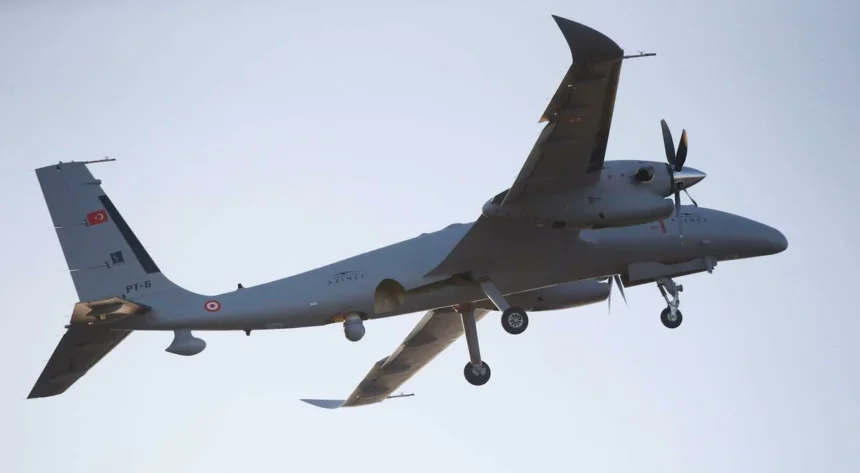
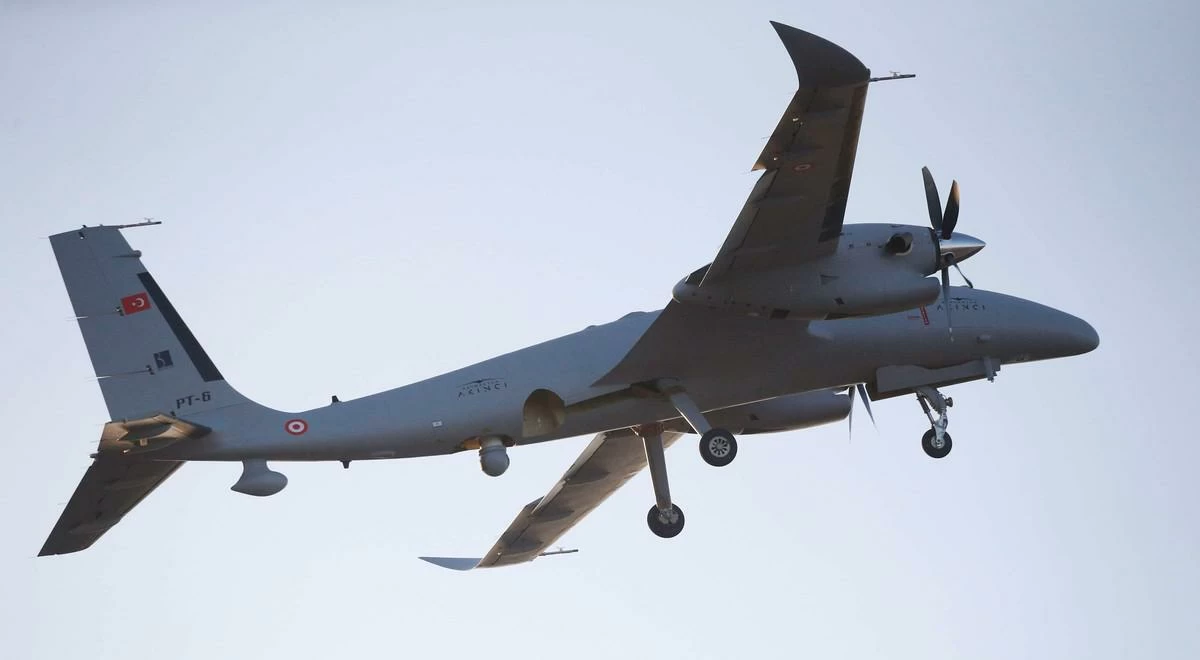
وقال مصدر عسكري سوداني: إن الدفاعات الأرضية تصدت لهجمات بطائرات مسيّرة انتحارية تابعة لقوات الدعم السريع، حاولت استهداف مواقع في العاصمة خلال ساعات الفجر، مؤكداً إسقاط جميع الطائرات قبل وصولها إلى أهدافها.
وتأتي هذه الهجمات في سياق تصاعد استخدام المسيّرات في الحرب السودانية، إذ باتت أداة رئيسية في استهداف المواقع العسكرية والمنشآت الحيوية، مع استمرار القتال على جبهات متعددة، رغم التغيرات الميدانية التي شهدتها البلاد خلال العام الماضي.
استعادة السيطرة واستمرار التهديدات
وكان الجيش السوداني أعلن استعادة السيطرة على الخرطوم وضواحيها، التي تشمل الخرطوم وأم درمان والخرطوم بحري، على مراحل خلال مارس ومايو 2025. وأسهمت هذه التطورات في تراجع المواجهات البرية داخل العاصمة، لكنها لم تمنع استمرار الهجمات المتقطعة بالطائرات المسيّرة.
ولا تزال المعارك تتواصل في مناطق أخرى من السودان، خصوصاً في إقليمي دارفور وكردفان، حيث لا تزال الأوضاع الأمنية والإنسانية شديدة التعقيد.
جبهات مشتعلة وأزمة متفاقمة
على الصعيد الميداني، لا تزال مناطق واسعة في دارفور وكردفان تواجه تداعيات القتال والنزوح، وسط صعوبات في وصول المساعدات الإنسانية وتراجع الخدمات الأساسية. وحذرت الأمم المتحدة من تزايد خطر المجاعة في أجزاء من الإقليمين، بفعل استمرار النزاع والجفاف الحاد ونقص التمويل الإغاثي.
وتشير تقديرات أممية إلى أن نحو 19.5 مليون شخص في السودان يواجهون مستويات حادة من انعدام الأمن الغذائي، فيما يحتاج 33.7 مليون شخص إلى مساعدات إنسانية خلال عام 2026.
مخاوف من اتساع الكارثة
ومع دخول الحرب عامها الرابع، تتواصل معاناة المدنيين جراء النزوح ونقص الغذاء والمياه والرعاية الصحية، فيما تواجه المنظمات الإنسانية فجوة تمويلية تحد من قدرتها على تلبية الحاجات المتزايدة.
وتؤكد هذه التطورات أن التحدي في السودان لم يعد مقتصراً على السيطرة العسكرية على المدن، بل يمتد إلى حماية المدنيين، وتأمين وصول المساعدات، ووقف القتال الذي تسبب في واحدة من أكبر أزمات النزوح والجوع في العالم.
وفي ظل استمرار المواجهات وتبادل الهجمات بالطائرات المسيّرة، تبقى فرص الاستقرار مرتبطة بوقف التصعيد والتوصل إلى تسوية تنهي الحرب، التي اندلعت في 15 أبريل 2023، وتضع حداً لمعاناة ملايين السودانيين.
The drone attacks have renewed in the Sudanese capital, Khartoum, today (Monday), amid ongoing clashes between the Sudanese army and the Rapid Support Forces, indicating that the army’s restoration of control over the capital does not mean the end of security threats, despite the decrease in the intensity of ground battles there.
A Sudanese military source stated that ground defenses repelled attacks by suicide drones belonging to the Rapid Support Forces, which attempted to target locations in the capital during the early hours of dawn, confirming the downing of all drones before they reached their targets.
These attacks come in the context of the increasing use of drones in the Sudanese war, as they have become a key tool in targeting military sites and vital facilities, with fighting continuing on multiple fronts, despite the battlefield changes that the country has witnessed over the past year.
Restoration of control and ongoing threats
The Sudanese army announced the restoration of control over Khartoum and its suburbs, which include Khartoum, Omdurman, and Khartoum North, in phases during March and May 2025. These developments contributed to a decrease in ground confrontations within the capital, but did not prevent the continuation of sporadic drone attacks.
Fighting continues in other areas of Sudan, particularly in the Darfur and Kordofan regions, where the security and humanitarian situations remain highly complex.
Active fronts and a worsening crisis
On the ground, vast areas in Darfur and Kordofan continue to face the repercussions of fighting and displacement, amid difficulties in accessing humanitarian aid and a decline in basic services. The United Nations has warned of an increasing risk of famine in parts of the two regions, due to the ongoing conflict, severe drought, and a lack of relief funding.
UN estimates indicate that about 19.5 million people in Sudan are facing acute levels of food insecurity, while 33.7 million people need humanitarian assistance in 2026.
Fears of a widening disaster
As the war enters its fourth year, civilians continue to suffer due to displacement, food and water shortages, and lack of healthcare, while humanitarian organizations face a funding gap that limits their ability to meet increasing needs.
These developments confirm that the challenge in Sudan is no longer limited to military control over cities, but extends to protecting civilians, ensuring access to aid, and stopping the fighting that has caused one of the largest displacement and hunger crises in the world.
In light of the ongoing clashes and exchanges of drone attacks, the chances for stability remain linked to halting the escalation and reaching a settlement that ends the war, which erupted on April 15, 2023, and puts an end to the suffering of millions of Sudanese.