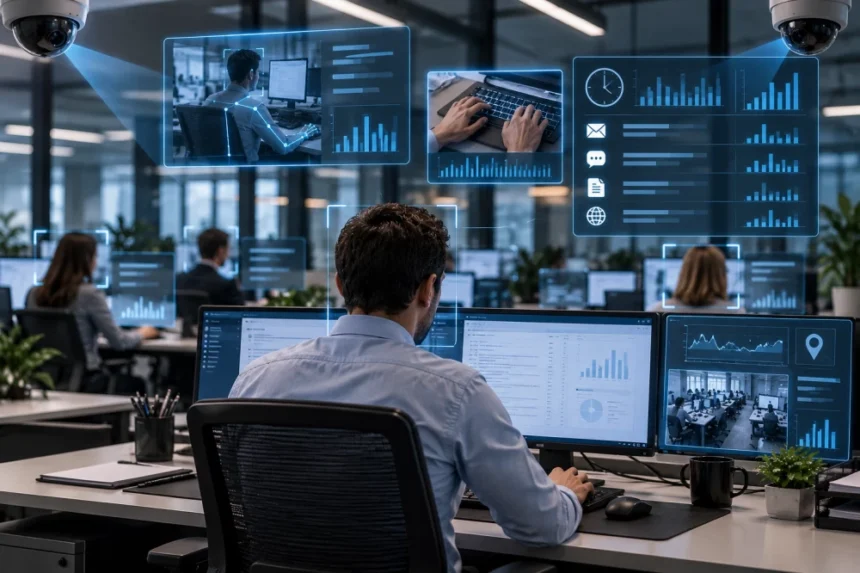
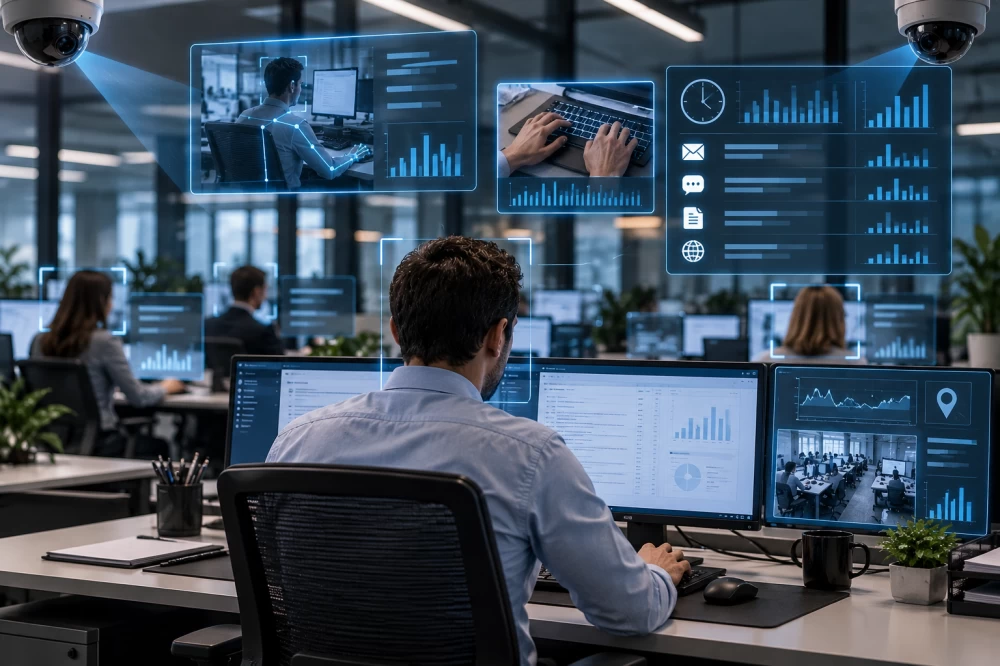
حذّر تقرير أسترالي حديث من التوسع المتسارع في استخدام تقنيات الذكاء الاصطناعي لمراقبة الموظفين وتتبع أنشطتهم داخل أماكن العمل، في كثير من الأحيان دون علمهم، وسط مطالباتٍ بتحديث التشريعات لحماية خصوصية العاملين ومنع الاستخدام المفرط لأنظمة المراقبة الرقمية.
وكشف التقرير، الصادر اليوم (الثلاثاء) عن معهد التكنولوجيا البشرية التابع لجامعة التكنولوجيا في سيدني، أن أنظمة مراقبة الموظفين أصبحت أكثر انتشاراً في قطاعاتٍ متعددة، تشمل المصانع والمكاتب والمتاجر وخدمات التوصيل، مستفيدةً من تطور تقنيات الذكاء الاصطناعي وانخفاض تكلفة أدوات التتبع والتحليل.
مراقبة ضغطات المفاتيح والرسائل وتحركات الموظفين
وأوضح التقرير أن وسائل المراقبة لم تعد تقتصر على كاميرات المراقبة التقليدية، بل امتدت إلى تتبع ضغطات لوحة المفاتيح، ومراقبة الرسائل المتبادلة عبر تطبيقات العمل، وتحليل بيانات بطاقات الدخول والخروج، إلى جانب استخدام الأنظمة الذكية لتقييم أداء الموظفين ورصد تحركاتهم.
وأشار إلى أن بعض هذه الأدوات قادرة على جمع بياناتٍ تفصيليةٍ عن سلوك العاملين، ما يثير تساؤلاتٍ بشأن حدود الرقابة المشروعة ومدى اطلاع الموظفين على المعلومات التي تُجمع عنهم وكيفية استخدامها.
وسلط التقرير الضوء على خصائص تقنية في تطبيق «مايكروسوفت تيمز» تتيح تحديث موقع الموظف تلقائياً عند اتصاله بشبكة الإنترنت اللاسلكية التابعة لمقر العمل، بوصفها مثالاً على اتساع إمكانات تتبع الحضور في بيئات العمل الحديثة.
إنذار موظفة بسبب نسبة أخطاء لا تتجاوز 0.18%
واستعرض التقرير حالاتٍ أثارت مخاوف بشأن استخدام أنظمة المراقبة الآلية في تقييم الموظفين، من بينها واقعة عرضتها نقابة للعاملين في قطاع التجزئة، تتعلق بموظفة صندوق محاسبة في أحد المتاجر الكبرى تلقت إنذاراً كتابياً نهائياً بعدما رصد نظام مراقبة يعمل بالذكاء الاصطناعي ارتفاعاً في أخطائها.
وبحسب المعلومات المقدمة، لم تتجاوز نسبة الأخطاء المسجلة 0.18%، أي ما يعادل خطأً واحداً تقريباً لكل 533 عملية مسح للمنتجات، ما أثار تساؤلاتٍ بشأن مدى عدالة الاعتماد على المؤشرات الرقمية وحدها في اتخاذ إجراءاتٍ تأديبيةٍ بحق الموظفين.
كما أشار الباحثون إلى إفاداتٍ بشأن استخدام كاميراتٍ داخل غرف تبديل الملابس في إحدى سلاسل مطاعم الوجبات السريعة، بهدف منع العاملين من استخدام هواتفهم أثناء العمل، الأمر الذي دفع بعض الموظفين الشباب إلى تجنب استخدام تلك الغرف، وفق الإفادات التي تلقاها المعهد.
9% فقط يعلمون بمراقبتهم في العمل
وأظهرت نتائج استطلاعٍ أُجري في أستراليا خلال مارس 2026 أن 43% من المشاركين كانوا على علمٍ باستخدام بعض جهات العمل تقنياتٍ لمراقبة الموظفين، بما فيها الذكاء الاصطناعي، بينما أفاد 9% فقط بأنهم يعلمون بوجود مراقبةٍ من هذا النوع في أماكن عملهم.
وتعكس هذه النتائج، بحسب التقرير، فجوةً بين انتشار أدوات المراقبة ومستوى وعي الموظفين باستخدامها، خصوصاً مع تزايد الاعتماد على المنصات الرقمية في إدارة العمل وتقييم الإنتاجية.
مطالبات بتعديل قوانين العمل
ودعا معهد التكنولوجيا البشرية الحكومة الأسترالية إلى تعديل قانون العمل العادل، بحيث يُشترط أن تكون أي مراقبةٍ للموظفين عادلةً ومعقولةً، وأن تتناسب مع الغرض المشروع منها، مع توفير آليةٍ متخصصةٍ لتلقي الشكاوى المتعلقة بانتهاك الخصوصية داخل بيئات العمل.
وقال المدير المشارك للمعهد، البروفيسور إدوارد سانتو، إن الشفافية بشأن مراقبة العاملين ضروريةٌ، لكنها لا تكفي وحدها لضمان حماية حقوقهم، مؤكداً الحاجة إلى ضوابطَ قانونيةٍ تحدد متى تكون المراقبة مقبولةً ومتى تتحول إلى تدخلٍ غير مبررٍ في الحياة الخاصة.
وأشار المعهد إلى أن بعض الاستثناءات الواردة في قوانين الخصوصية الأسترالية، المتعلقة بسجلات الموظفين والشركات الصغيرة، أسهمت في ترك ثغراتٍ تشريعيةٍ أمام التوسع في أنظمة المراقبة.
وشدد الباحثون على أن الهدف ليس منع المؤسسات من استخدام التقنيات اللازمة للأمن والسلامة وتحسين الأداء، وإنما ضمان ألا تتحول أدوات الذكاء الاصطناعي إلى وسائلَ رقابةٍ مفرطةٍ تؤثر في خصوصية الموظفين وصحتهم النفسية وحقوقهم المهنية.
A recent Australian report has warned about the rapid expansion in the use of artificial intelligence technologies to monitor employees and track their activities within workplaces, often without their knowledge, amid calls to update legislation to protect workers’ privacy and prevent the excessive use of digital surveillance systems.
The report, released today (Tuesday) by the Human Technology Institute at the University of Technology Sydney, revealed that employee monitoring systems have become more widespread across multiple sectors, including factories, offices, stores, and delivery services, benefiting from advancements in artificial intelligence technologies and the decreasing cost of tracking and analysis tools.
Monitoring Keystrokes, Messages, and Employee Movements
The report explained that monitoring methods are no longer limited to traditional surveillance cameras but have extended to tracking keystrokes, monitoring messages exchanged via work applications, analyzing access card data, as well as using smart systems to evaluate employee performance and track their movements.
It noted that some of these tools are capable of collecting detailed data about workers’ behavior, raising questions about the limits of legitimate surveillance and the extent to which employees are informed about the information collected about them and how it is used.
The report highlighted technical features in the “Microsoft Teams” application that allow for the automatic updating of an employee’s location when they connect to the workplace’s wireless network, as an example of the expanding capabilities for tracking attendance in modern work environments.
Employee Warned for Error Rate of Only 0.18%
The report presented cases that raised concerns about the use of automated monitoring systems in evaluating employees, including an incident reported by a union for retail workers, involving a cashier at a major store who received a final written warning after an AI-powered monitoring system detected an increase in her errors.
According to the information provided, the recorded error rate did not exceed 0.18%, which is approximately one error for every 533 product scans, raising questions about the fairness of relying solely on digital indicators to take disciplinary actions against employees.
The researchers also pointed to reports regarding the use of cameras inside changing rooms at one fast-food chain, aimed at preventing workers from using their phones during work, which led some young employees to avoid using those rooms, according to testimonies received by the institute.
Only 9% Are Aware of Being Monitored at Work
Results from a survey conducted in Australia in March 2026 showed that 43% of participants were aware that some employers used technologies to monitor employees, including artificial intelligence, while only 9% reported that they knew of such monitoring in their workplaces.
These results, according to the report, reflect a gap between the prevalence of monitoring tools and the level of employee awareness of their use, especially with the increasing reliance on digital platforms for managing work and assessing productivity.
Calls for Amendments to Labor Laws
The Human Technology Institute urged the Australian government to amend the Fair Work Act to ensure that any monitoring of employees is fair and reasonable, and that it aligns with its legitimate purpose, while providing a specialized mechanism for receiving complaints related to privacy violations in work environments.
Co-director of the institute, Professor Edward Santo, stated that transparency regarding employee monitoring is essential, but it is not sufficient on its own to ensure the protection of their rights, emphasizing the need for legal controls that define when monitoring is acceptable and when it becomes an unjustified intrusion into private life.
The institute pointed out that some exceptions in Australian privacy laws concerning employee records and small businesses have contributed to leaving legislative gaps for the expansion of monitoring systems.
The researchers stressed that the goal is not to prevent institutions from using necessary technologies for security, safety, and performance improvement, but to ensure that artificial intelligence tools do not turn into excessive surveillance methods that affect employees’ privacy, mental health, and professional rights.