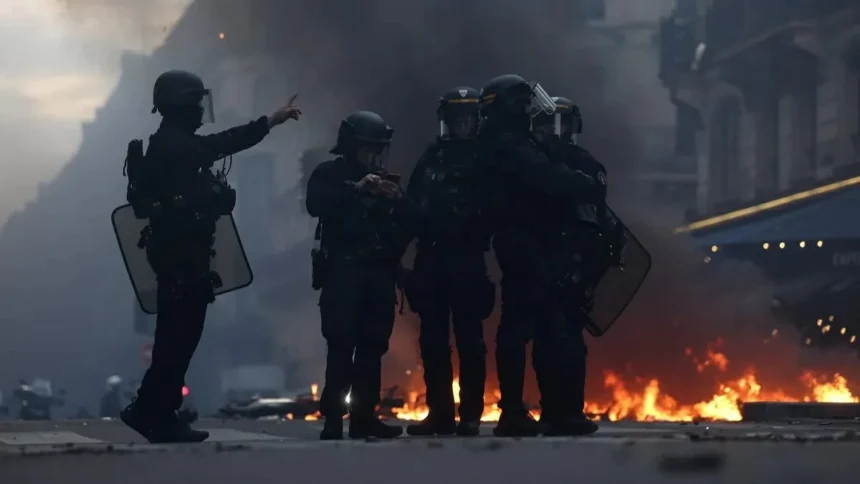
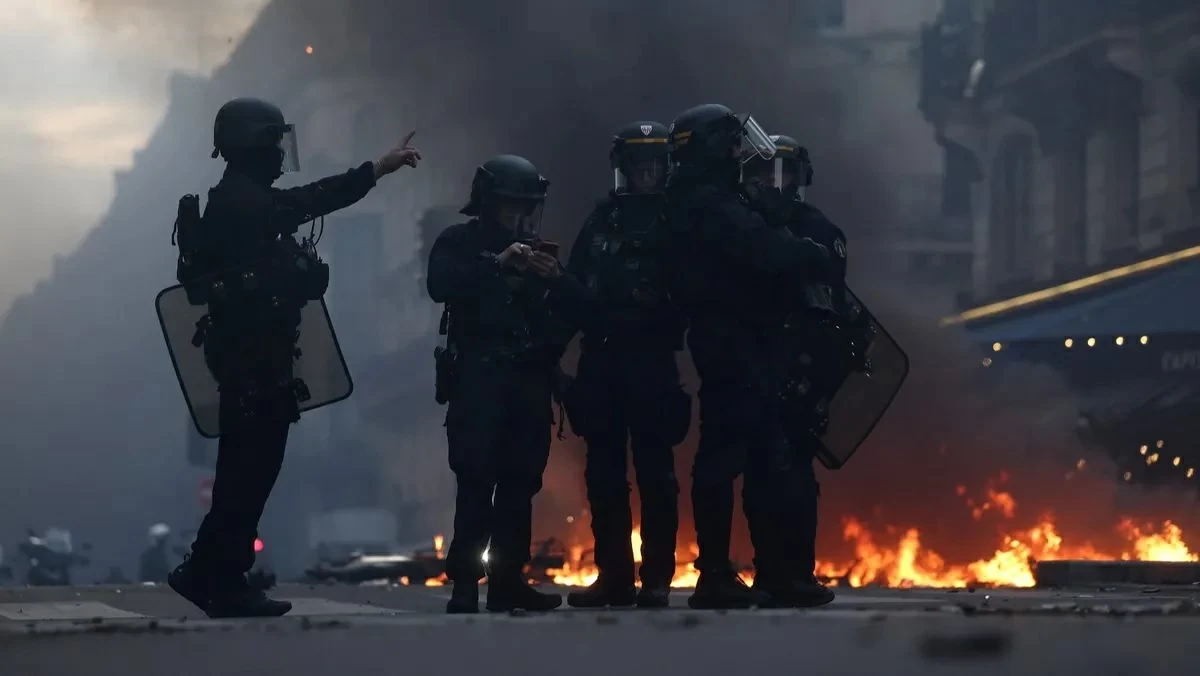
دعت حركة «السترات الصفراء» إلى جولة جديدة من الاحتجاجات في فرنسا نهاية الأسبوع الجاري، بعد مظاهرات تخللتها أعمال عنف ونهب وتخريب، دفعت الحكومة إلى فرض حظر تجول جزئي في مناطق محددة.
تعزيز انتشار قوات الأمن
وفيما تستعد السلطات لتعزيز انتشار قوات الأمن تحسباً لتجدد الاضطرابات، أبقت الحكومة خيار إعلان حالة الطوارئ مطروحاً إذا استدعت الأوضاع ذلك.
وفرضت الحكومة الفرنسية حظر تجول جزئياً في مناطق محددة بعدد من المدن، بينها باريس وليون، في أعقاب أعمال العنف والنهب التي رافقت احتجاجات 17 أكتوبر، فيما كشفت وزارة العدل عن توقيف 2513 شخصاً على ذمة التحقيق وإيداع 67 آخرين السجن.
وقال رئيس الوزراء الفرنسي سيباستيان لوكورنو، (الثلاثاء)، إن حظر التجول الجزئي الذي فُرض في مناطق محددة من باريس ومدن أخرى، عقب أيام من الاحتجاجات التي تخللتها أعمال عنف، ساهم في الحفاظ على الهدوء خلال الليل.
وأضاف أن السلطات المحلية يمكنها إعادة فرض حظر تجول في مناطق محددة مساء (الثلاثاء)، إذا رأت أن الأوضاع تستدعي ذلك، بحسب ما أوردت وكالة «رويترز».
فرض حظر التجول
وقال لوكورنو، أمس (الاثنين)، إن فرض حظر تجول في مناطق محددة يهدف إلى حماية الممتلكات والمتاجر، مؤكداً أن الإجراءات لن تشمل مدناً بأكملها، وأن الحكومة تسعى إلى تحقيق التوازن بين استعادة النظام العام وحماية الحق في التظاهر.
ولم يستبعد لوكورنو إعلان حالة الطوارئ إذا اقتضت الضرورة، لكنه اعتبر أن حظر التجول الجزئي أكثر ملاءمة للوضع الراهن، مشدداً على أن الحكومة لن تسمح باستمرار أعمال النهب والتخريب، بحسب ما أوردت شبكة BFM TV.
وبحسب الحكومة الفرنسية، تعرض ما لا يقل عن 3 آلاف متجر لأعمال تخريب أو نهب خلال عطلة نهاية الأسبوع، فيما أعلنت السلطات توقيف 351 شخصاً في باريس (الأحد).
وفي السياق، أعلن وزير العدل جيرالد دارمانان تسجيل 2513 حالة احتجاز على ذمة التحقيق، وإيداع 67 شخصاً السجن على خلفية الاضطرابات.
وأوضح دارمانان، في مقابلة مع قناة TF1 أنه أصدر تعليمات للنيابات العامة بالنظر في تكييف بعض الجرائم ضمن إطار الجريمة المنظمة، بما يتيح تمديد مدة الاحتجاز من 48 إلى 72 ساعة واستخدام وسائل تحقيق إضافية، بينها تحديد المواقع والتنصت وفق الإجراءات القانونية.
وأعلن اللجوء إلى تقنيات التعرف على الوجوه للمساعدة في تحديد هوية المتورطين في أعمال العنف، مطالباً المدعين العامين بالتعامل بحزم مع المسؤولين عن التخريب.
وضع حد للحواجز والنهب
وفي مرسيليا، تعهد وزير الداخلية لوران نونيز بتعزيز الانتشار الأمني خلال التظاهرات المقررة (السبت) القادم، بعد انتقادات وجهها رئيس بلدية المدينة بنوا بايان لطريقة تعامل قوات الأمن مع اضطرابات الأسبوع الماضي، بحسب BFM TV.
وكان الرئيس الفرنسي إيمانويل ماكرون رفض استقالة وزير الداخلية لوران نونيز، وطلب منه بدلاً من ذلك وضع حد للحواجز والنهب والتحلي بالشفافية بشأن أوجه القصور الأمني.
وقال رؤساء بلديات باريس ومارسيليا وليون، وجميعهم من يسار الوسط، في مقال مشترك نشرته صحيفة «ليبراسيون» اليسارية، إنهم اعتادوا على المظاهرات والاحتجاجات.
وأضاف نونيز لمحطة «فرانس إنتر» الإذاعية، أن نحو 60 ألفاً من أفراد الشرطة وقوات الأمن الأخرى نُشرت، لكنه أقر بأن الإجراءات لم تكن كافية للتحكم في حشود تحولت إلى العنف.
The “Yellow Vests” movement has called for a new round of protests in France this weekend, following demonstrations that were marred by violence, looting, and vandalism, prompting the government to impose a partial curfew in specific areas.
Reinforcing Security Forces Deployment
As authorities prepare to reinforce the deployment of security forces in anticipation of renewed unrest, the government has kept the option of declaring a state of emergency on the table if the situation requires it.
The French government imposed a partial curfew in specific areas of several cities, including Paris and Lyon, following the violence and looting that accompanied the protests on October 17. The Ministry of Justice revealed that 2,513 people were arrested for investigation, and 67 others were jailed.
French Prime Minister Sébastien Lecornu stated on Tuesday that the partial curfew imposed in specific areas of Paris and other cities, following days of protests that included acts of violence, helped maintain calm during the night.
He added that local authorities could reimpose a curfew in specific areas on Tuesday evening if they deemed the situation necessary, according to Reuters.
Imposing a Curfew
Lecornu said yesterday (Monday) that the imposition of a curfew in specific areas aims to protect property and stores, emphasizing that the measures would not cover entire cities and that the government seeks to balance restoring public order with protecting the right to protest.
Lecornu did not rule out declaring a state of emergency if necessary, but he considered that a partial curfew was more suitable for the current situation, stressing that the government would not allow looting and vandalism to continue, according to BFM TV.
According to the French government, at least 3,000 stores were vandalized or looted over the weekend, while authorities announced the arrest of 351 people in Paris on Sunday.
In this context, Justice Minister Gérald Darmanin announced the registration of 2,513 cases of detention for investigation, and the jailing of 67 individuals in connection with the unrest.
Darmanin explained in an interview with TF1 that he instructed public prosecutors to consider reclassifying some crimes as organized crime, which would allow for extending the detention period from 48 to 72 hours and using additional investigative means, including location tracking and wiretapping according to legal procedures.
He announced the use of facial recognition techniques to help identify those involved in the acts of violence, urging public prosecutors to deal firmly with those responsible for the vandalism.
Putting an End to Barriers and Looting
In Marseille, Interior Minister Laurent Nuñez pledged to enhance security deployment during the planned protests next Saturday, following criticism from the city’s mayor, Benoît Payan, regarding the security forces’ handling of last week’s unrest, according to BFM TV.
French President Emmanuel Macron rejected the resignation of Interior Minister Laurent Nuñez and instead asked him to put an end to barriers and looting and to be transparent about security shortcomings.
The mayors of Paris, Marseille, and Lyon, all from the center-left, stated in a joint article published by the leftist newspaper “Libération” that they are accustomed to demonstrations and protests.
Nuñez added to France Inter radio that about 60,000 police and other security personnel were deployed, but he acknowledged that the measures were not sufficient to control crowds that turned violent.