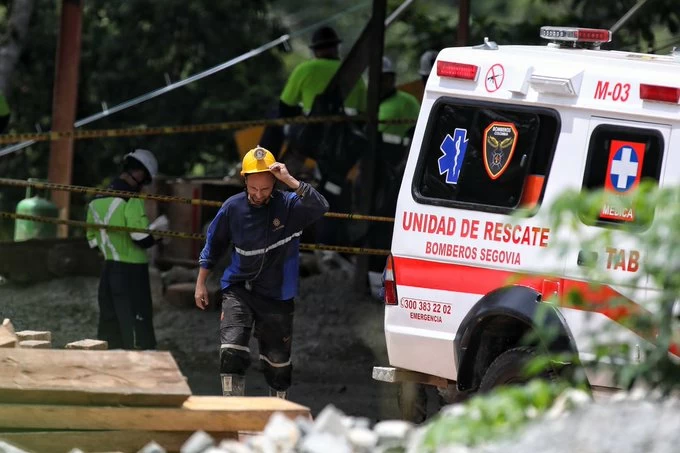
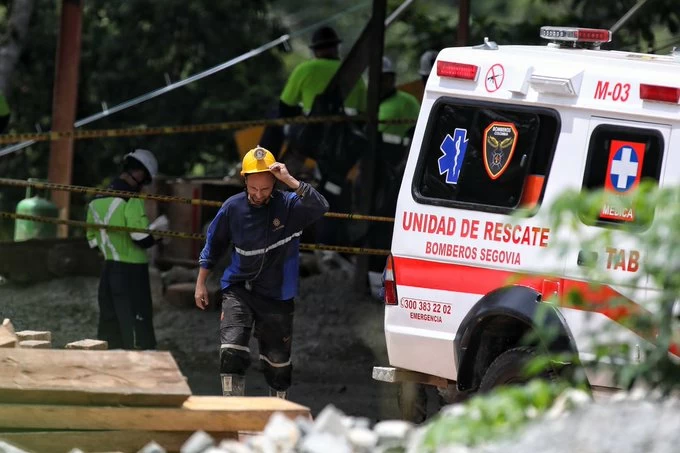
لقي 14 شخصاً مقتلهم وأصيب 7 آخرون جراء انهيار منجم ذهبٍ غير قانونيٍ في جنوب غرب كولومبيا، في حادثٍ جديدٍ يسلط الضوء على مخاطر التعدين غير المنظم في البلاد.
ووقع الانهيار الاثنين في القطاع الريفي تشامبيرو ببلدية سانتا باربارا دي إسكواندي، في مقاطعة نارينيو، بحسب السلطات المحلية، وأعلن حاكم المقاطعة لويس ألفونسو إسكوبار انتهاء عمليات البحث والإنقاذ، فيما لم ترد تفاصيل إضافية عن أسباب الانهيار أو الظروف التي أحاطت بالحادث.
ودعا إسكوبار الحكومة المركزية والوكالة الوطنية للتعدين ووزارة المناجم والطاقة إلى تسريع إجراءات تقنين أوضاع عمال المناجم غير القانونيين وصغار المعدّنين، بهدف تحسين ظروف العمل وتعزيز معايير السلامة، في إشارةٍ إلى الحاجة لمعالجة المخاطر التي تواجه العاملين في هذا القطاع.
وتأتي الكارثة بعد أقل من ثلاثة أشهر على حادث تعدينٍ مماثلٍ في بلدة بوليكاربا، بالمقاطعة نفسها، أسفر في أغسطس الماضي عن مقتل 13 شخصاً وإصابة 7 آخرين، وفقاً للسلطات الكولومبية. ويعكس تكرار الحوادث الدامية حجم المخاطر المرتبطة بأعمال استخراج الذهب التي تجري خارج الأطر التنظيمية والرقابية.
ويُعد التعدين غير الرسمي ظاهرةً منتشرةً في مناطق ريفيةٍ بكولومبيا، حيث يلجأ بعض السكان إلى استخراج الذهب لتأمين مصادر دخلهم، في ظل محدودية فرص العمل في بعض المناطق. وتفتقر عمليات كثيرة إلى البنية التحتية المناسبة وإجراءات السلامة والرقابة الفنية الكافية، ما يزيد مخاطر انهيارات التربة والحوادث القاتلة.
ولا تقتصر تداعيات التعدين غير القانوني على سلامة العاملين، إذ يرتبط أيضاً بأضرارٍ بيئيةٍ، من بينها تلوث الأنهار والتربة، فضلاً عن صعوبات فرض الرقابة في بعض المناطق النائية التي تعاني ضعف الوصول إليها.
وتواجه السلطات تحدياً يتمثل في الحد من الأنشطة غير القانونية، مع توفير مساراتٍ لتقنين عمل صغار المعدّنين وتحسين ظروفهم المهنية.
Fourteen people were killed and seven others were injured due to the collapse of an illegal gold mine in southwestern Colombia, in a new incident that highlights the risks of unregulated mining in the country.
The collapse occurred on Monday in the rural sector of Champero in the municipality of Santa Barbara de Iscuandé, in the Nariño department, according to local authorities. The governor of the department, Luis Alfonso Escobar, announced the end of search and rescue operations, while no additional details were provided about the causes of the collapse or the circumstances surrounding the incident.
Escobar called on the central government, the National Mining Agency, and the Ministry of Mines and Energy to expedite the process of legalizing the status of illegal miners and small-scale miners, with the aim of improving working conditions and enhancing safety standards, indicating the need to address the risks faced by workers in this sector.
The disaster comes less than three months after a similar mining accident in the town of Policarpa, in the same department, which resulted in the deaths of 13 people and injuries to seven others in August, according to Colombian authorities. The recurrence of deadly incidents reflects the magnitude of the risks associated with gold extraction activities that occur outside regulatory and oversight frameworks.
Informal mining is a widespread phenomenon in rural areas of Colombia, where some residents resort to gold extraction to secure their livelihoods, given the limited job opportunities in certain regions. Many operations lack proper infrastructure and adequate safety and technical oversight measures, increasing the risks of landslides and fatal accidents.
The repercussions of illegal mining are not limited to the safety of workers; it is also associated with environmental damage, including pollution of rivers and soil, as well as difficulties in enforcing oversight in some remote areas that suffer from limited access.
Authorities face the challenge of curbing illegal activities while providing pathways for legalizing the work of small-scale miners and improving their working conditions.