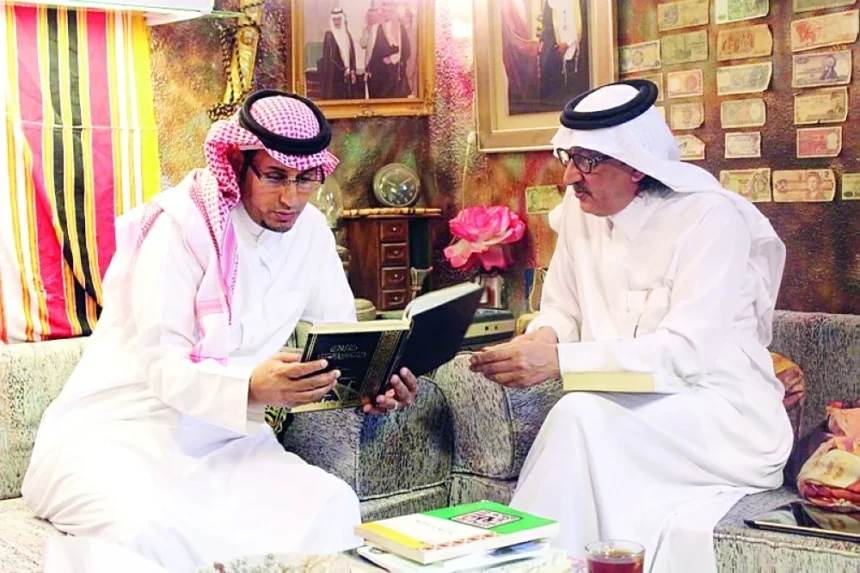
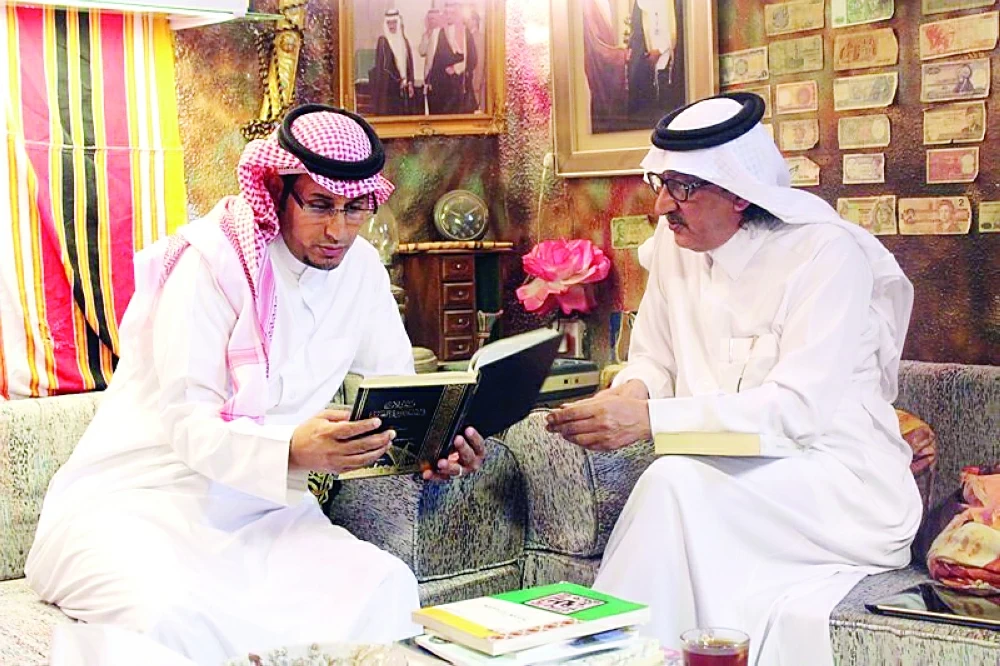
لم يكن أنور بن محمد آل خليل أديباً فحسب، بل كان ممن أدركوا أنّ ذاكرة المكان لا تحفظها الجغرافيا وحدها، وإنما تحفظها الكتابة والصورة والوثيقة، وما يتركه المبدعون في حياة الناس.
برحيل الأديب والباحث أنور بن محمد آل خليل، تطوي منطقة عسير صفحة من صفحات حضورها الثقافي، وتفقد رجلاً جمع في تجربته بين الأدب، والعناية بتاريخ المنطقة ورجالاتها، والحرص على توثيق شواهدها الحضارية والاجتماعية.
آل خليل والمشهد الثقافي في عسير
ارتبط اسم آل خليل بالمشهد الثقافي في عسير منذ عام 1405هـ، حين بدأت علاقته الرسمية بنادي أبها الأدبي بانضمامه إلى عدد من لجانه العاملة. ولم يقتصر حضوره على النشاط الثقافي والإداري، بل حوّل إحدى قاعات النادي إلى متحف للمأثورات المحلية، وتولى لاحقاً عدداً من المسؤوليات، من بينها أمانة السر، وعضوية مجلس الإدارة، والمسؤولية المالية، قبل أن يُنتخب رئيساً للنادي.
كما أسهم، بالتعاون مع بلدية أبها، في تأسيس متحف شدا الذي يتوسط مدينة أبها، وكانت انطلاقته عام 1407هـ. وشارك كذلك في عضوية أمانة أسبوعيات مجلس الأمير خالد الفيصل، أمير منطقة عسير آنذاك.
غير أنّ تجربة أنور آل خليل لم تقف عند العمل المؤسسي، فقد امتدت إلى الكتابة الصحفية والبحث في سير الأدباء والمثقفين والشخصيات التي أسهمت في تشكيل الحياة الثقافية والاجتماعية في عسير. وكان اهتمامه بتاريخ المنطقة وأعلامها مدخلاً إلى مشروع أوسع، يقوم على جمع الشواهد التي تحفظ ملامح المكان وتحولاته، وتوثيق ما قد يغيب عن كتب التاريخ والتراجم.
في هذا السياق، اكتسبت الوثائق والصور والمقالات والذكريات التي جمعها أهمية خاصة، إذ لم تكن مجرد مقتنيات شخصية، بل مادة يمكن أن يستند إليها الباحثون والمهتمون بتاريخ المنطقة. وقد أشاد مثقفون وباحثون، خلال تكريمه عام 2020، بجهوده في توثيق تاريخ عسير، وبما قدمه من مساعدة للباحثين، وما احتفظ به من مواد تتصل بأدبائها ووجوهها الاجتماعية.
كشفت كتابات آل خليل الصحفية عن اهتمام بالسير الإنسانية للأدباء والمثقفين، وبالتفاصيل التي لا تتسع لها التراجم التقليدية دائماً. فقد كان يقترب من الشخصيات من خلال مواقفها وعلاقاتها وتجاربها، جامعاً بين التوثيق والوفاء، وبين تسجيل الوقائع واستعادة ما تنطوي عليه من دلالات إنسانية.
ذاكرة عسير
لعل ما يمنح تجربة أنور بن محمد آل خليل أهميتها أنه تعامل مع الذاكرة من مسارات متعددة، جمع فيها بين الكتابة والوثيقة والصورة، وبين علاقته المباشرة بأهل المنطقة وشخصياتها. وهي مسارات تلتقي عند هدف واحد: ألا تظل حياة الناس وتجاربهم وإنجازاتهم عرضة للنسيان.
وكان أصدقاؤه، ممن اعتادوا مجالسته في ليالي الشتاء، وزواره من خارج المنطقة في الصيف، يحثونه على إخراج ما جمعه وكتبه في كتب. فقد كان يحتفظ بكتاباته ويهيئها للنشر، لكنه لم يمضِ إلى نشرها. وهنا تبرز إحدى المسائل المهمة التي يثيرها رحيله: مصير هذا الرصيد الذي ظل جانباً منه حبيس مكتبته، ولم يصل بعد إلى القراء.
فالمقالات والوثائق والصور والمخطوطات وسائر المواد التي جمعها تمثل رصيداً ثقافياً يستحق العناية، من خلال حصره وفهرسته، ودراسة محتوياته، والعمل على نشر ما تتوافر فيه القيمة العلمية والتاريخية. وهي مسؤولية لا تتصل بتخليد اسم الراحل فحسب، بل بحفظ جانب من ذاكرة عسير وإتاحته للباحثين والأجيال الجديدة.
رثاء الأصدقاء
أصدقاء الراحل نعوه في شبكات التواصل الاجتماعي، واستعادوا العديد من الذكريات معه، فقد ذكر الدكتور محمد العوين أنّه كان على تواصل معه لا ينقطع، بالتعليق حيناً، وبتنميق الصورة المضافة للمقال حيناً آخر. فيما وصفه الدكتور عبد الرحمن فصيل بأيقونة التوثيق والتاريخ في منطقة عسير. أما الدكتور فائز الشهري فقد وصفه بالنقيّ الجميل والإنسان النبيل. فيما نعاه الناشط الاجتماعي حسن بن محمد مخافة بالحبيب والصديق العزيز، ورائد الأدب وحافظ الموروث والتراث. أما صديقه القريب منه حسن آل عامر فقد وصفه بالأخ الكبير والوجه الإنساني الحاضر في الأفراح والأتراح.
العناية بما تركه
الوفاء لأنور بن محمد آل خليل لا يكتمل بعبارات النعي، مهما صدقت، وإنما يبدأ من العناية بما تركه، وإخراج أعماله إلى القراء، وصون ما جمعه من شواهد الذاكرة المحلية. فالأشخاص يرحلون، لكن ما يتركونه من معرفة يظل قادراً على الحياة متى وجد من يحفظه، ويعيد تقديمه، ويمنحه مكانه المستحق في الذاكرة الثقافية.
رحم الله أنور بن محمد آل خليل، وألهم أهله ومحبيه وأصدقاءه الصبر والسلوان.
Anwar bin Muhammad Al-Khalil was not only a literary figure but also someone who understood that the memory of a place is not preserved solely by geography, but by writing, images, documents, and what creators leave in the lives of people.
With the passing of the writer and researcher Anwar bin Muhammad Al-Khalil, the Asir region turns a page in its cultural presence and loses a man who combined in his experience literature, care for the history of the region and its figures, and a commitment to documenting its civilizational and social evidence.
Al-Khalil and the Cultural Scene in Asir
The name Al-Khalil has been associated with the cultural scene in Asir since 1405 AH, when his official relationship with the Abha Literary Club began by joining several of its working committees. His presence was not limited to cultural and administrative activities; he transformed one of the club’s halls into a museum for local artifacts and later took on several responsibilities, including the position of secretary, membership in the board of directors, and financial responsibility, before being elected as the club’s president.
He also contributed, in collaboration with the Abha Municipality, to the establishment of the Shada Museum located in the center of Abha, which opened in 1407 AH. He also participated in the secretariat of the weekly meetings of Prince Khalid Al-Faisal, the then Prince of Asir.
However, Anwar Al-Khalil’s experience did not stop at institutional work; it extended to journalistic writing and research into the biographies of writers, intellectuals, and personalities who contributed to shaping the cultural and social life in Asir. His interest in the history of the region and its prominent figures served as an entry point to a broader project focused on collecting evidence that preserves the features and transformations of the place, documenting what may be absent from history and biographical books.
In this context, the documents, images, articles, and memories he collected gained special importance, as they were not merely personal possessions but material that researchers and those interested in the history of the region could rely on. Intellectuals and researchers praised his efforts in documenting the history of Asir during his honoring in 2020, highlighting the assistance he provided to researchers and the materials he preserved related to its writers and social figures.
Al-Khalil’s journalistic writings revealed an interest in the human stories of writers and intellectuals, and in the details that traditional biographies often overlook. He approached personalities through their positions, relationships, and experiences, combining documentation and loyalty, as well as recording events and recalling their human implications.
The Memory of Asir
What perhaps gives Anwar bin Muhammad Al-Khalil’s experience its significance is that he dealt with memory from multiple pathways, combining writing, documentation, and imagery, along with his direct relationship with the people and figures of the region. These pathways converge towards a single goal: that the lives, experiences, and achievements of people do not remain subject to forgetfulness.
His friends, who were accustomed to sitting with him during winter nights and visitors from outside the region in summer, urged him to publish what he had collected and written in books. He kept his writings and prepared them for publication, but he did not proceed to publish them. Here arises one of the important issues raised by his passing: the fate of this wealth, part of which remained confined to his library and has not yet reached readers.
The articles, documents, images, manuscripts, and all other materials he collected represent a cultural asset that deserves attention through cataloging and indexing, studying its contents, and working to publish what has scientific and historical value. This is a responsibility that is not only related to immortalizing the name of the deceased but also to preserving a part of the memory of Asir and making it available to researchers and new generations.
Friends’ Eulogies
The friends of the deceased mourned him on social media, recalling many memories with him. Dr. Muhammad Al-Owain mentioned that he maintained continuous communication with him, sometimes commenting and at other times refining the images added to the article. Dr. Abdul Rahman Faisal described him as an icon of documentation and history in the Asir region. Dr. Faiz Al-Shahri described him as a pure and beautiful person and a noble human being. Meanwhile, social activist Hassan bin Muhammad Makafah mourned him as a beloved friend and a pioneer of literature and a guardian of heritage and tradition. His close friend Hassan Al-Amir described him as an older brother and a human face present in both joys and sorrows.
Caring for What He Left Behind
Honoring Anwar bin Muhammad Al-Khalil is not complete with mere eulogies, no matter how sincere, but begins with caring for what he left behind, publishing his works for readers, and preserving what he collected of local memory evidence. People may depart, but the knowledge they leave behind can continue to live as long as there are those who preserve it, reintroduce it, and grant it its rightful place in the cultural memory.
May Allah have mercy on Anwar bin Muhammad Al-Khalil, and grant his family, loved ones, and friends patience and solace.