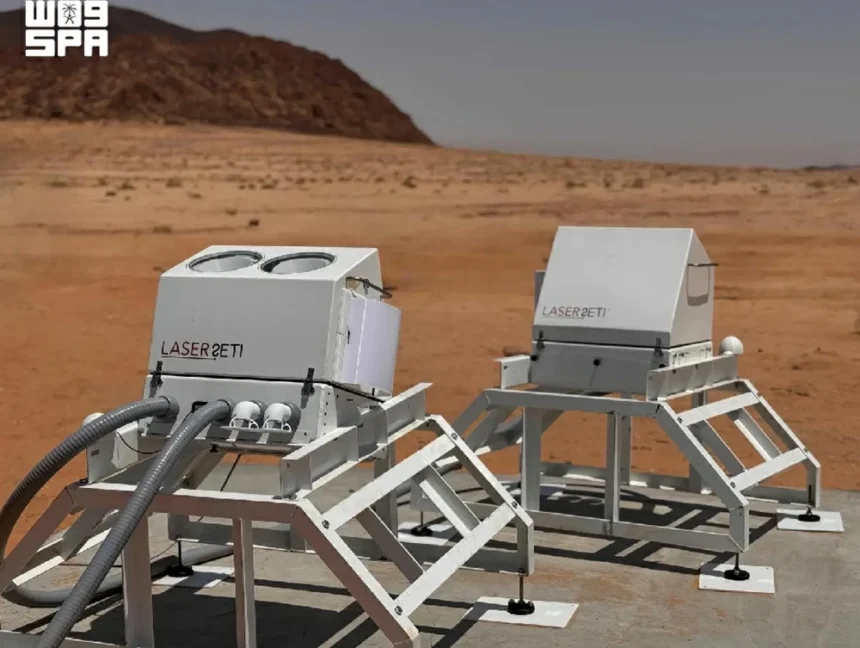
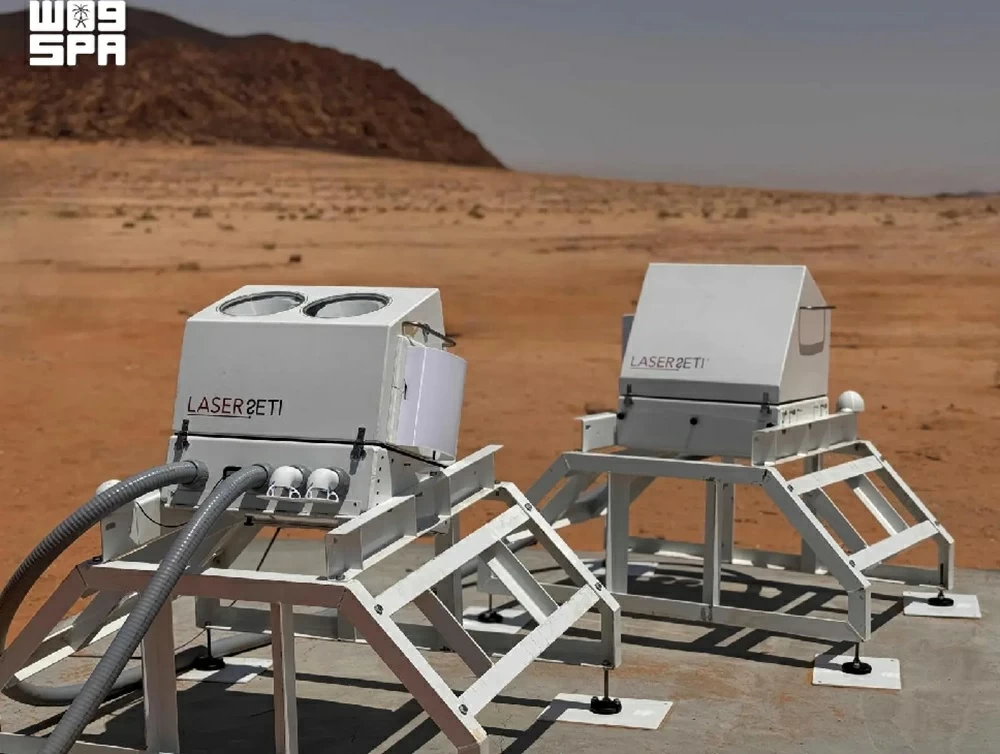
أعلنت نجاح تركيب وتشغيل محطتين للرصد الفلكي تابعتين لمشروع (LaserSETI) العالمي في موقع منارة العلا، في خطوة تعزز مكانة المحافظة مركزاً للبحث العلمي والاكتشافات الفلكية، وتدعم حضورها ضمن شبكات الرصد الدولية المتخصصة.
ويُعد مشروع (LaserSETI) شبكة عالمية للرصد الفلكي تعتمد على مراقبة السماء بصورة مستمرة لرصد الظواهر الضوئية العابرة والتغيرات النادرة التي قد ترتبط بأحداث كونية وأجرام فلكية غير معتادة، إضافة إلى متابعة إشارات ليزر محتملة تتطلب مزيداً من الدراسة والتحليل العلمي.
ويسهم تشغيل المحطتين في دعم جهود الباحثين عبر توفير بيانات رصد دقيقة يمكن مقارنتها مع نتائج المحطات الأخرى المنتشرة حول العالم، مستفيداً من موقع العلا وما تتمتع به من سماء مظلمة ومستويات منخفضة من التلوث الضوئي، ما يجعلها بيئة مثالية للرصد الفلكي.
ومع بدء التشغيل الكامل للمحطتين، أصبحت العلا أول موقع في قارة آسيا ينضم إلى شبكة (LaserSETI)، وخامس موقع تشغيلي ضمن منظومة الرصد العالمية، إلى جانب مواقع قائمة في الولايات المتحدة وبورتوريكو، بما يوسع من النطاق الجغرافي للشبكة ويعزز فرص جمع البيانات وتحليلها.
وأكدت الهيئة أن هذا الإنجاز يأتي امتداداً للتعاون العلمي مع معهد (SETI)، ويعكس انتقال الشراكة من مرحلة التخطيط إلى التنفيذ الفعلي، بما يسهم في تطوير قدرات البحث والرصد الفلكي، ويدعم تبادل المعرفة والخبرات العلمية على المستوى الدولي.
كما يعزز المشروع جهود الهيئة في حماية سماء العلا والمحافظة على أحد أبرز مقوماتها الطبيعية، إلى جانب دعم الأبحاث العلمية وتنمية السياحة الفلكية، ضمن رؤية متكاملة تربط بين الاستدامة البيئية والابتكار العلمي وتطوير التجارب المعرفية لزوار المحافظة.
وتتجه المرحلة المقبلة إلى تحليل البيانات التي تجمعها المحطتان وتوسيع فرص التعاون البحثي الدولي، بما يرسّخ مكانة منارة العلا مركزاً متقدماً للرصد والاكتشاف الفلكي في المنطقة.
It was announced the successful installation and operation of two astronomical observation stations belonging to the global (LaserSETI) project at the AlUla lighthouse site, in a step that enhances the region’s status as a center for scientific research and astronomical discoveries, and supports its presence within specialized international observation networks.
The (LaserSETI) project is a global network for astronomical observation that relies on continuous sky monitoring to detect transient light phenomena and rare changes that may be associated with cosmic events and unusual celestial bodies, in addition to tracking potential laser signals that require further study and scientific analysis.
The operation of the two stations contributes to supporting researchers’ efforts by providing accurate observation data that can be compared with results from other stations around the world, benefiting from AlUla’s location and its dark skies with low levels of light pollution, making it an ideal environment for astronomical observation.
With the full operation of the two stations, AlUla has become the first site in Asia to join the (LaserSETI) network, and the fifth operational site within the global observation system, alongside existing sites in the United States and Puerto Rico, which expands the geographical scope of the network and enhances data collection and analysis opportunities.
The authority confirmed that this achievement is an extension of the scientific collaboration with the (SETI) Institute, reflecting the transition of the partnership from the planning stage to actual implementation, contributing to the development of astronomical research and observation capabilities, and supporting the exchange of knowledge and scientific expertise at the international level.
The project also enhances the authority’s efforts to protect the skies of AlUla and preserve one of its most prominent natural features, in addition to supporting scientific research and developing astronomical tourism, within a comprehensive vision that links environmental sustainability, scientific innovation, and the development of knowledge experiences for visitors to the region.
The next phase will focus on analyzing the data collected by the two stations and expanding opportunities for international research collaboration, solidifying AlUla lighthouse’s position as an advanced center for astronomical observation and discovery in the region.