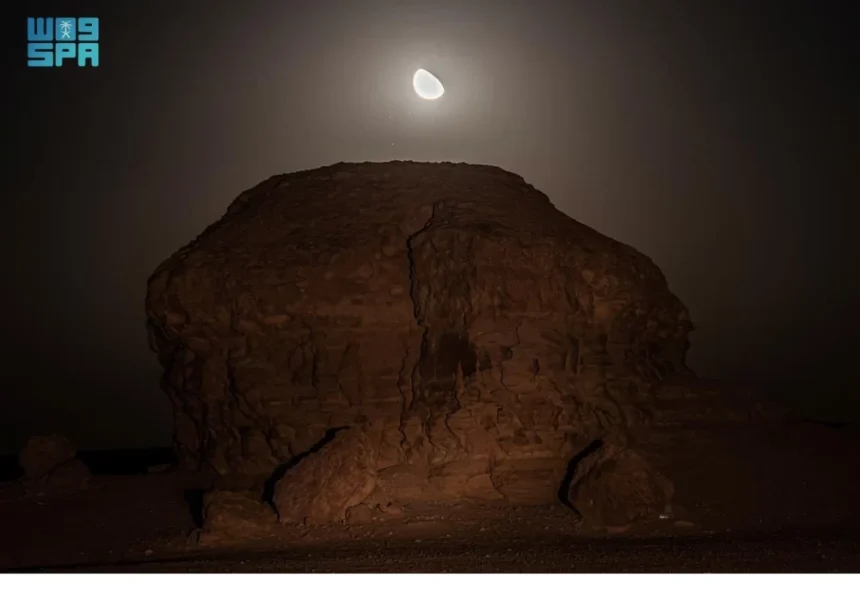
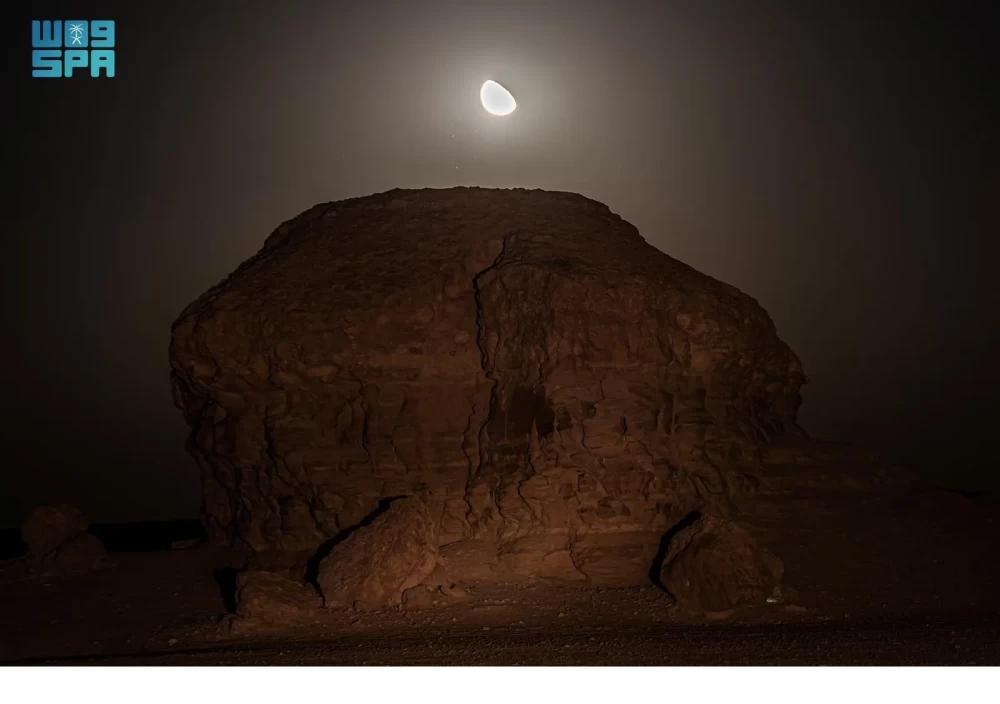
تشهد سماء السعودية والعالم العربي فجر غدٍ (الأربعاء) اقتراناً ظاهرياً بين القمر الأحدب المتناقص وعنقود الثريا النجمي، المعروف باسم «الأخوات السبع»، في مشهد فلكي يمكن رصده بالعين المجردة، فيما تتيح المناظير رؤيةً أوضح لنجوم العنقود.
وأفاد رئيس الجمعية الفلكية بجدة المهندس ماجد أبو زاهرة، أن الاقتران سيحدث عند الساعة 04:11 صباحاً بتوقيت مكة المكرمة، حيث سيظهر القمر والثريا متجاورين في السماء بفاصل زاوي يقارب درجةً واحدةً، مشيراً إلى أن وهج القمر، الذي تجاوز مرحلة البدر يوم 26 أكتوبر، قد يحجب بعض نجوم العنقود الخافتة.
وبيّن أن الثريا عنقود نجمي مفتوح يقع ضمن كوكبة الثور، ويُعرف فلكياً بالرمز «M45»، ويبعد نحو 440 سنةً ضوئيةً عن الأرض، ويضم مجموعةً كبيرةً من النجوم، يظهر منها عادةً ستة أو سبعة نجوم بالعين المجردة وفق ظروف الرصد.
وأشار إلى أن الثريا حظيت بمكانةٍ بارزةٍ في الموروث الفلكي العربي، لارتباط ظهورها الموسمي بتغير الفصول والتقاويم التقليدية، مؤكداً أن اقتران القمر بها ظاهرةً بصريةً لا تؤثر في الأحوال الجوية أو المناخية.
وأبان أن المشهد يمكن متابعته خلال ساعات الليل المتأخرة من اليوم (الثلاثاء) وحتى فجر (الأربعاء)، ويُفضّل استخدام المناظير من مواقع بعيدةٍ عن التلوث الضوئي، لافتاً إلى احتمال احتجاب بعض نجوم الثريا خلف القمر في مناطق جغرافيةٍ محددةٍ، تبعاً لموقع الراصد.
وأكد أن التقارب بين القمر والثريا ظاهريٌ فقط، إذ يبعد القمر عن الأرض نحو 384 ألف كيلومترٍ في المتوسط، بينما تقع الثريا على بُعد مئات السنين الضوئية، مشيراً إلى أن الظاهرة تمثل فرصةً لهواة الفلك والتصوير لتوثيق أحد المشاهد السماوية المميزة خلال أكتوبر.
The sky of Saudi Arabia and the Arab world will witness, at dawn tomorrow (Wednesday), an apparent conjunction between the waning crescent moon and the Pleiades star cluster, known as “the Seven Sisters,” in a celestial scene that can be observed with the naked eye, while telescopes will provide a clearer view of the stars in the cluster.
The head of the Astronomical Society in Jeddah, Engineer Majid Abu Zahra, stated that the conjunction will occur at 04:11 AM Mecca time, where the moon and the Pleiades will appear adjacent in the sky with an angular separation of about one degree, noting that the brightness of the moon, which surpassed the full moon phase on October 26, may obscure some of the fainter stars in the cluster.
He explained that the Pleiades is an open star cluster located within the constellation Taurus, and is astronomically known by the symbol “M45.” It is about 440 light-years away from Earth and contains a large group of stars, typically six or seven of which can be seen with the naked eye depending on observing conditions.
He pointed out that the Pleiades holds a prominent place in the Arab astronomical heritage, as its seasonal appearance is linked to changes in the seasons and traditional calendars, emphasizing that the conjunction of the moon with it is a visual phenomenon that does not affect weather or climatic conditions.
He indicated that the scene can be followed during the late hours of tonight (Tuesday) until dawn (Wednesday), and it is preferable to use telescopes from locations far from light pollution, noting that some stars of the Pleiades may be obscured behind the moon in specific geographical areas, depending on the observer’s location.
He confirmed that the proximity between the moon and the Pleiades is only apparent, as the moon is about 384,000 kilometers away from Earth on average, while the Pleiades is located hundreds of light-years away, pointing out that the phenomenon represents an opportunity for astronomy enthusiasts and photographers to document one of the distinctive celestial scenes during October.