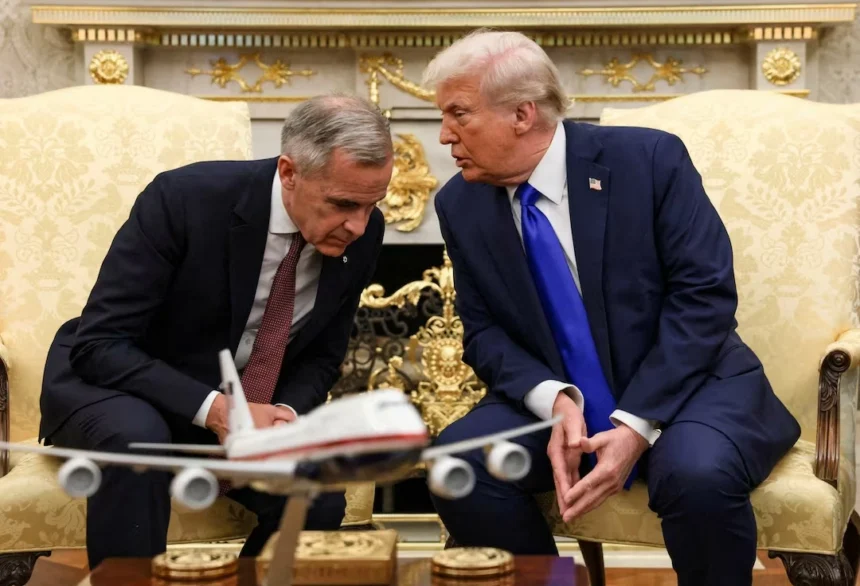
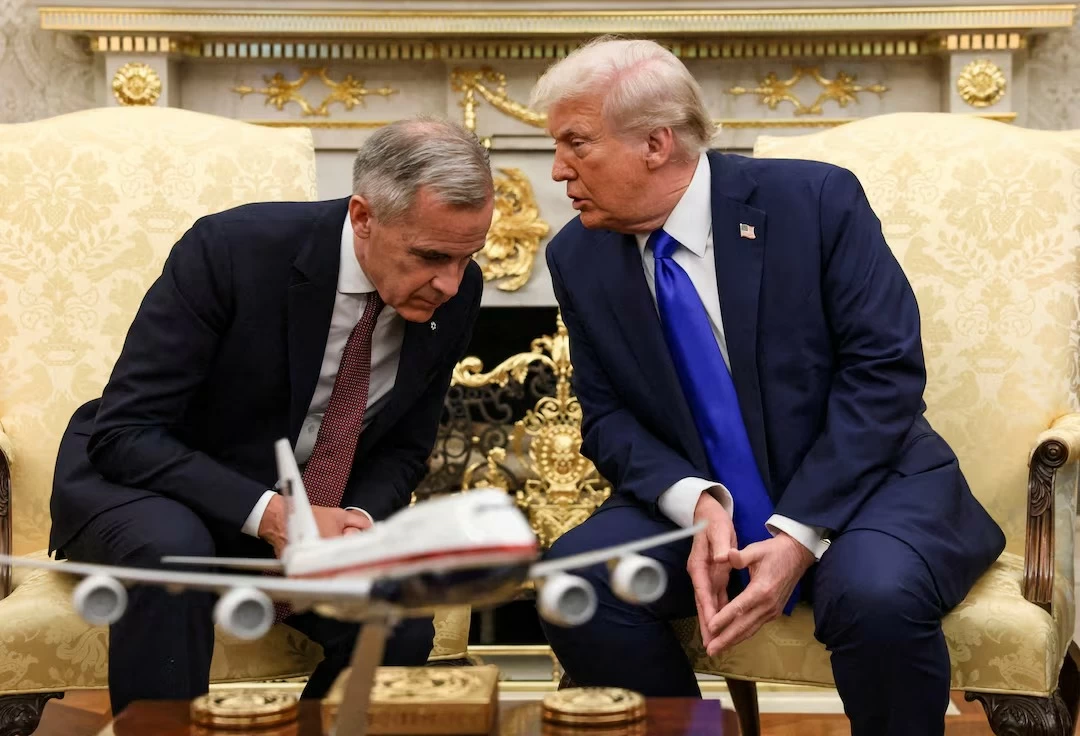
تجري الولايات المتحدة وكندا مفاوضات للتوصل إلى اتفاق يخفف الرسوم الجمركية الأمريكية المفروضة على واردات الصلب والسيارات الكندية، في محاولة لإعادة ترميم العلاقات التجارية بين البلدين، بعد تعثر المحادثات في أغسطس الماضي، حسبما أفادت وكالة «رويترز»، نقلاً عن مصادر أمريكية وكندية مطلعة.
وتركز المفاوضات على الرسوم المفروضة بموجب المادة 232 من قانون التجارة الأمريكي، والتي تشمل رسوماً تصل إلى 50% على واردات الصلب الكندي، ورسماً بنسبة 25% على السيارات، وسط مناقشات بشأن تقديم إعفاءات أو تخفيف الأعباء الجمركية عن هذه القطاعات.
ونقلت مصادر مطلعة أن التوصل إلى اتفاق بشأن رسوم الصلب والسيارات قد يكون ممكناً قبل انتخابات التجديد النصفي الأمريكية المقررة في 3 نوفمبر، في حين أشارت مصادر أمريكية إلى أن إدارة الرئيس دونالد ترمب تسعى للحصول على مزيد من التنازلات من الجانب الكندي.
وتأتي هذه التحركات في وقت تواجه فيه الرسوم الجمركية على الواردات الكندية ضغوطاً سياسية داخل الولايات المتحدة، مع دعوات من مرشحين جمهوريين في الولايات الحدودية إلى إنهاء الحرب التجارية مع كندا، وسط مخاوف من تداعياتها الاقتصادية والسياسية.
تحركات مكثفة بين واشنطن وأوتاوا
وبحسب المصادر، يتولى وزير التجارة الأمريكي هوارد لوتنيك دوراً محورياً في المفاوضات، نظراً إلى أن الرسوم المفروضة بموجب المادة 232 تخضع لإشراف وزارة التجارة الأمريكية، وليس مكتب الممثل التجاري الأمريكي وحده.
وأضافت المصادر أن لوتنيك ووزير التجارة الكندي المسؤول عن العلاقات التجارية مع الولايات المتحدة، دومينيك لوبلان، أجريا اتصالات متكررة خلال الفترة الأخيرة، بالتزامن مع تواصل بين مكتب الممثل التجاري الأمريكي والجانب الكندي بشأن الإطار العام لأي اتفاق محتمل، إلى جانب الملفات التجارية الأخرى.
وقال متحدث باسم لوبلان إن كندا لا تزال منخرطة في حوار بنّاء مع المسؤولين الأمريكيين بشأن مجموعة من الأولويات، مؤكداً استعداد أوتاوا للعمل بحسن نية من أجل إقامة علاقة تجارية أكثر فائدة للطرفين، مع مراعاة المصالح الكندية.
كارني: تقدم محدود في المحادثات
من جانبه، قال رئيس الوزراء الكندي مارك كارني إن وتيرة المحادثات مع الولايات المتحدة شهدت «زيادة طفيفة»، مشيراً إلى أن موقف بلاده التفاوضي لم يتغير.
وأضاف كارني أن أي تقدم تحقق في المفاوضات جاء نتيجة اقتراب الموقف الأمريكي من الرؤية الكندية، من دون تقديم تفاصيل إضافية بشأن طبيعة التفاهمات المطروحة.
وفي السياق ذاته، رجّح مصدر من قطاع الصناعة الكندي إمكانية التوصل إلى اتفاق سريع، لكنه حذّر من أن أي تفاهم قد يكون محدود النطاق، ولا يشمل تسوية شاملة للخلافات التجارية بين البلدين.
وأشارت مصادر كندية أخرى إلى أن التوصل إلى اتفاق بشأن رسوم المادة 232 قبل انتخابات التجديد النصفي كان احتمالاً مطروحاً منذ فترة، مرجحة أن يتطلب إبرامه تفاهمات مباشرة بين ترمب وكارني، اللذين سبق أن أبديا انفتاحاً على التوصل إلى اتفاق يحقق مصالح مشتركة.
تعثر المفاوضات يضغط على قطاع السيارات
وكانت المحادثات التجارية بين واشنطن وأوتاوا قد انهارت في أغسطس الماضي، بسبب خلافات شملت خفض الرسوم على المركبات المتوسطة والثقيلة، التي تمثل أهمية كبيرة للمصانع الكندية.
وكانت شركات صناعة السيارات الأمريكية تأمل أن تسفر المفاوضات عن تخفيف الرسوم الأصلية البالغة 25%، والتي رفعت تكاليف نقل السيارات وقطع الغيار عبر الحدود، وأثارت مخاوف بشأن انعكاساتها على سلاسل التوريد والتكاليف الصناعية.
وسبق لترمب أن أعلن عزمه رفع الرسوم على واردات الصلب والسيارات من كندا إلى 50% اعتباراً من الأول من يناير 2027. كما توقع، خلال تجمع سياسي الأحد، تسوية الخلاف التجاري «قريباً»، من دون الكشف عن تفاصيل أو جدول زمني محدد.
وفي خطوة منفصلة، وقّع ترمب أمراً الجمعة يقضي بإلغاء رسوم بنسبة 50% على بعض المنتجات الزراعية والغابية الكندية، في إجراء قد تستفيد منه شركات في ولاية مين الأمريكية.
وتترقب الأسواق وقطاعات الصناعة في البلدين نتائج المفاوضات، وسط تساؤلات بشأن ما إذا كانت واشنطن وأوتاوا ستتمكنان من التوصل إلى تسوية محدودة تخفف الضغوط على قطاعي الصلب والسيارات، أم أن الخلافات ستظل عائقاً أمام استعادة العلاقات التجارية بين الجانبين.
The United States and Canada are negotiating an agreement to ease the U.S. tariffs imposed on Canadian steel and automobile imports, in an attempt to repair trade relations between the two countries, following stalled talks last August, according to a report by Reuters, citing informed U.S. and Canadian sources.
The negotiations focus on tariffs imposed under Section 232 of the U.S. Trade Act, which include tariffs of up to 50% on Canadian steel imports and a 25% tariff on automobiles, amid discussions about providing exemptions or easing the tariff burdens on these sectors.
Informed sources indicated that reaching an agreement on steel and automobile tariffs could be possible before the upcoming U.S. midterm elections scheduled for November 3, while U.S. sources noted that the Trump administration is seeking further concessions from the Canadian side.
These moves come at a time when tariffs on Canadian imports are facing political pressure within the United States, with calls from Republican candidates in border states to end the trade war with Canada, amid concerns about its economic and political repercussions.
Intensive Movements Between Washington and Ottawa
According to sources, U.S. Secretary of Commerce Howard Lutnick is playing a pivotal role in the negotiations, given that the tariffs imposed under Section 232 are overseen by the U.S. Department of Commerce, not just the Office of the U.S. Trade Representative.
The sources added that Lutnick and Canadian Minister of Trade Dominique LeBlanc, who is responsible for trade relations with the United States, have had frequent communications recently, coinciding with ongoing discussions between the Office of the U.S. Trade Representative and the Canadian side regarding the general framework of any potential agreement, along with other trade files.
A spokesperson for LeBlanc stated that Canada remains engaged in constructive dialogue with U.S. officials on a range of priorities, emphasizing Ottawa’s readiness to work in good faith to establish a more mutually beneficial trade relationship while considering Canadian interests.
Carney: Limited Progress in Talks
For his part, Canadian Prime Minister Mark Carney stated that the pace of talks with the United States has seen a “slight increase,” noting that his country’s negotiating position has not changed.
Carney added that any progress made in the negotiations resulted from the U.S. position coming closer to the Canadian perspective, without providing additional details about the nature of the proposed understandings.
In this context, a source from the Canadian industrial sector suggested that a quick agreement could be reached, but warned that any understanding might be limited in scope and not include a comprehensive resolution of the trade disputes between the two countries.
Other Canadian sources indicated that reaching an agreement on Section 232 tariffs before the midterm elections has been a possibility for some time, suggesting that its conclusion may require direct understandings between Trump and Carney, who have previously expressed openness to reaching an agreement that serves mutual interests.
Stalled Negotiations Pressure the Automotive Sector
Trade talks between Washington and Ottawa collapsed last August due to disagreements that included reducing tariffs on medium and heavy vehicles, which are of significant importance to Canadian manufacturers.
U.S. automakers had hoped that the negotiations would result in a reduction of the original 25% tariffs, which raised the costs of transporting cars and parts across the border and raised concerns about their impact on supply chains and industrial costs.
Trump had previously announced his intention to raise tariffs on steel and automobile imports from Canada to 50% starting January 1, 2027. He also predicted, during a political rally on Sunday, that the trade dispute would be “resolved soon,” without disclosing specific details or a timeline.
In a separate move, Trump signed an order on Friday to eliminate a 50% tariff on certain Canadian agricultural and forestry products, a measure that could benefit companies in the state of Maine.
Markets and industrial sectors in both countries are awaiting the results of the negotiations, amid questions about whether Washington and Ottawa will be able to reach a limited settlement that eases pressures on the steel and automotive sectors, or whether disputes will continue to hinder the restoration of trade relations between the two sides.