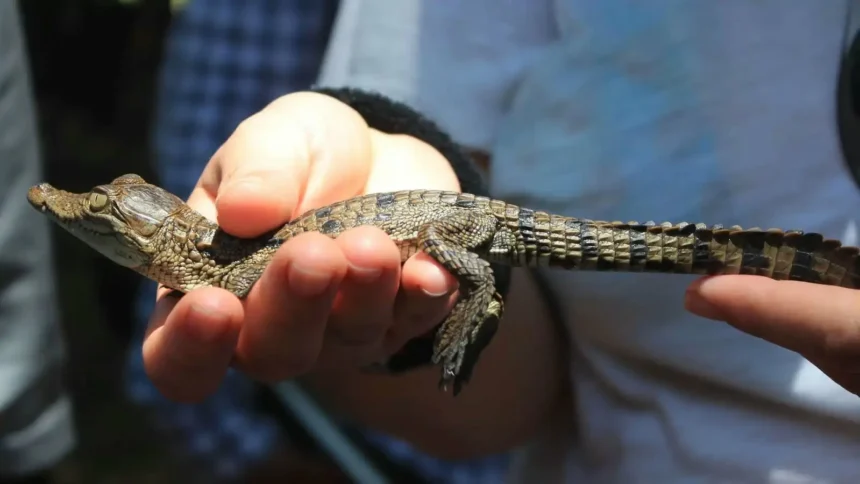
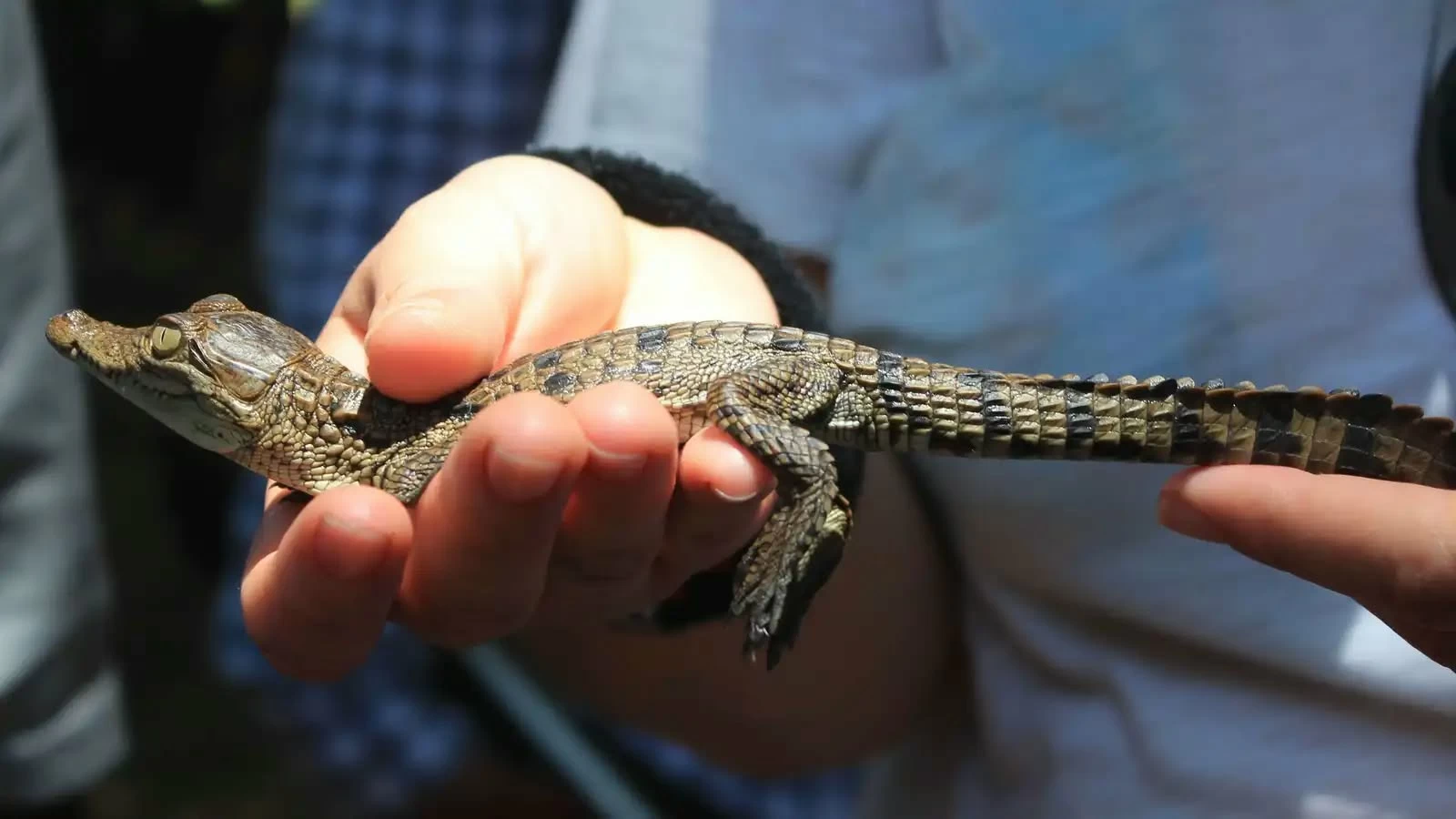
أثارت واقعة ضبط 30 تمساحا صغيرا داخل حقيبة يد بحوزة أحد الركاب على متن قطار متجه من أسوان إلى الإسكندرية تساؤلات في مصر بشأن نقل الحيوانات البرية بصورة غير قانونية، لا سيما بعد نفوق ثلاثة منها عقب ضبطها.
وبدأت تفاصيل الواقعة عندما توقف القطار في محطة أسيوط، حيث عُثر على التماسيح داخل حقيبة كانت بحوزة فني تكييف. وعلى إثر ذلك، أُخطرت الجهات المختصة لفحص الحيوانات واتخاذ الإجراءات اللازمة.
وأظهر الفحص وجود 30 تمساحا صغيرا، تراوحت أطوالها بين 20 و25 سنتيمترا. وبعد عرض الواقعة على النيابة العامة، تقرر إعادة التماسيح إلى بيئتها الطبيعية في بحيرة ناصر بمحافظة أسوان.
وبحسب التحقيقات، كُلف فريق من الشؤون القانونية والمحمية بتسلم التماسيح، مع توفير سيارة مجهزة لنقلها واتخاذ التدابير اللازمة للحفاظ على سلامتها خلال عملية النقل.
وأعادت الواقعة طرح تساؤلات بشأن كيفية نقل هذا العدد من التماسيح داخل حقيبة يد، ومدى الالتزام بالضوابط المنظمة لنقل الحيوانات البرية وحمايتها. كما أثارت مخاوف بين المتابعين بشأن المخاطر المحتملة على الركاب في حال هروب أحد التماسيح أثناء الرحلة.
ودعا متابعون عبر منصات التواصل الاجتماعي إلى تشديد إجراءات التفتيش والرقابة على الأمتعة داخل القطارات، لمنع نقل الحيوانات الخطرة بطرق غير قانونية، والحد من أي ممارسات قد تهدد سلامة الركاب أو تعرض الحيوانات للأذى.
The incident of seizing 30 small crocodiles inside a handbag belonging to a passenger on a train heading from Aswan to Alexandria has raised questions in Egypt regarding the illegal transport of wild animals, especially after three of them died following their seizure.
The details of the incident began when the train stopped at Assiut station, where the crocodiles were found inside a bag belonging to an air conditioning technician. Consequently, the relevant authorities were notified to examine the animals and take the necessary actions.
The examination revealed the presence of 30 small crocodiles, measuring between 20 and 25 centimeters in length. After presenting the incident to the public prosecution, it was decided to return the crocodiles to their natural habitat in Lake Nasser in Aswan Governorate.
According to the investigations, a team from the legal affairs and protected areas was tasked with receiving the crocodiles, providing a specially equipped vehicle for their transport, and taking the necessary measures to ensure their safety during the transfer process.
The incident has raised questions about how such a number of crocodiles could be transported in a handbag, and the extent of compliance with regulations governing the transport and protection of wild animals. It has also sparked concerns among observers regarding the potential risks to passengers in the event that one of the crocodiles escapes during the journey.
Followers on social media platforms have called for stricter inspection and monitoring procedures for luggage on trains, to prevent the illegal transport of dangerous animals and to limit any practices that could threaten passenger safety or harm the animals.