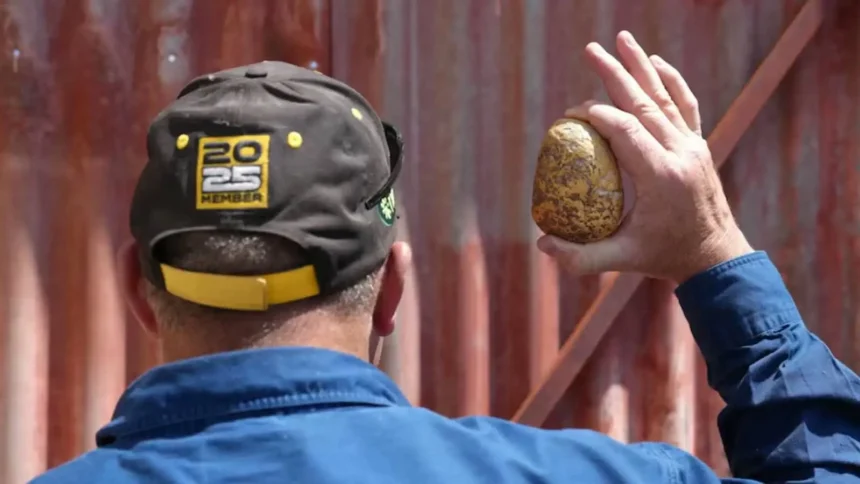
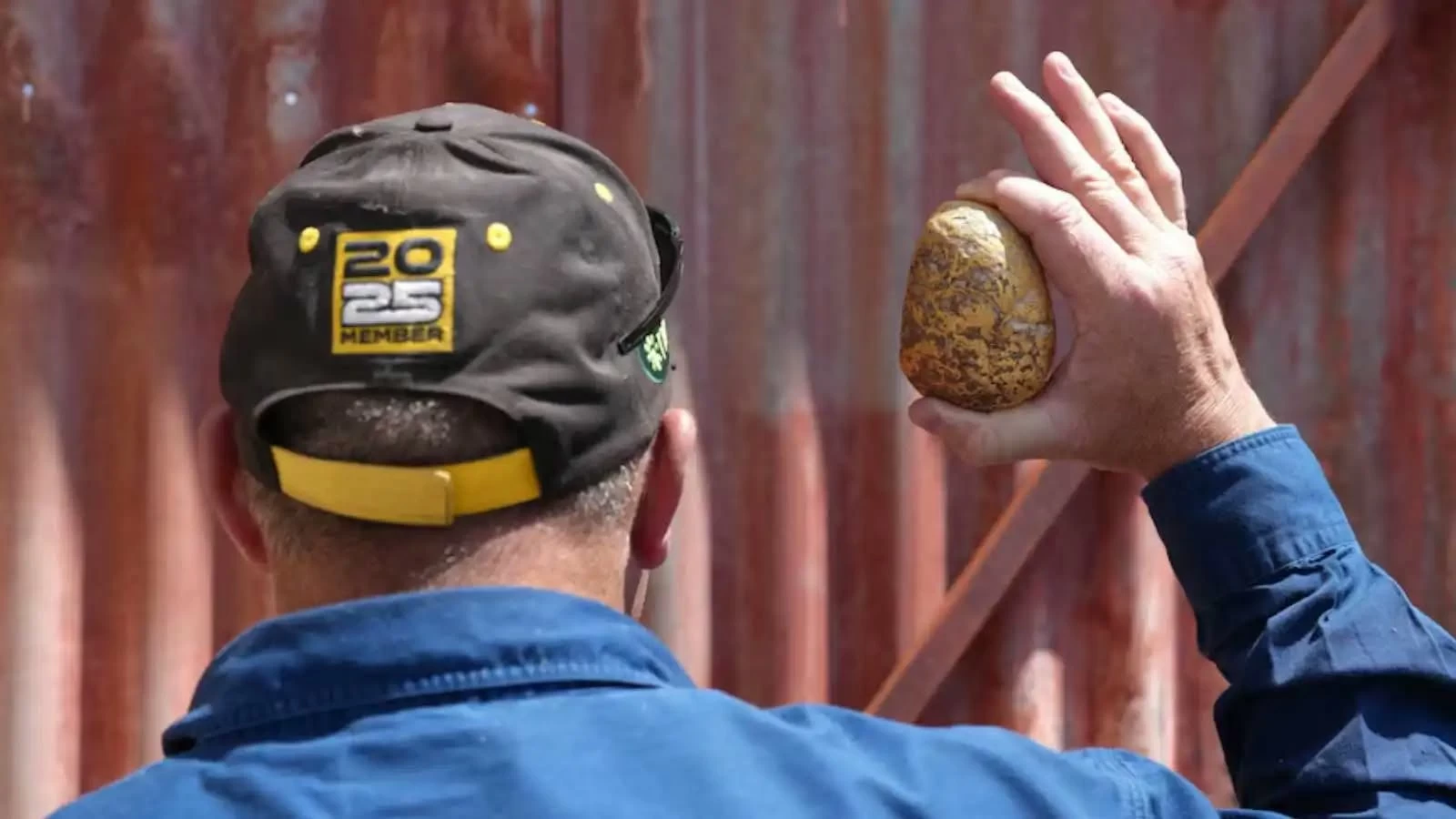
لم يكن المنقّب الأسترالي يتوقع أن تقوده إشارة ضعيفة تحت الأرض إلى اكتشاف قد يغيّر حصيلة رحلته بالكامل. فبعد أيام من البحث في منطقة نائية، عثر على كتلة ذهبية يتجاوز وزنها كيلوغراماً واحداً، تُقدّر قيمتها بما يصل إلى 160 ألف دولار، وسط توقعات ببيعها بسعر أعلى لهواة اقتناء القطع النادرة.
وجاء الاكتشاف في مزرعة «ماونت ستيوارت»، شمال غربي ولاية نيو ساوث ويلز، بعدما التقط جهاز الكشف عن المعادن إشارة في التربة الصخرية الحمراء. وكاد المنقّب أن يتجاوز الموقع دون أن يتوقف عنده، قبل أن تتضح الإشارة تدريجياً مع مواصلة الحفر لنحو 10 سنتيمترات.
وتزن الكتلة، التي أُطلق عليها اسم «تيبوبورا سباد»، أكثر من 1.2 كيلوغرام، وتتخللها عروق من معدن الكوارتز. وأظهرت الفحوصات أن محتواها من الذهب الخالص يبلغ نحو 940 غراماً، ما يجعلها اكتشافاً لافتاً في عالم التنقيب الفردي.
ويعتزم صاحب الكتلة عرضها للبيع على أحد جامعي القطع النادرة، في صفقة قد تصل قيمتها إلى 200 ألف دولار، مستفيداً من ندرة هذا النوع من الاكتشافات وجاذبيته لدى هواة جمع المعادن الثمينة.
من جانبه، أكد غريغ سبانغلر، الذي يعمل في تجارة مستلزمات التنقيب بمدينة بروكن هيل منذ أكثر من 20 عاماً، أن العثور على كتلة ذهبية بهذا الحجم أمر غير مألوف، إذ تقتصر معظم الاكتشافات على رقائق وقطع صغيرة يصعب مقارنتها بمثل هذا الحجم.
وأشار إلى أن الارتفاع الملحوظ في أسعار الذهب أعاد جذب الاهتمام إلى هذه الهواية، التي لا ترتبط بالمكاسب المالية وحدها، بل تمنح ممارسيها فرصة للاستمتاع بالطبيعة وممارسة النشاط البدني بعيداً عن صخب الحياة اليومية.
وتتمتع منطقة تيبوبورا بتاريخ طويل مع التنقيب عن الذهب يعود إلى أواخر القرن التاسع عشر، ولا تزال تستقطب الهواة حتى اليوم. وتتيح بعض المزارع المحيطة بها ممارسة التنقيب مقابل رسوم، في حين يخضع العمل في مواقع أخرى لاشتراطات تتعلق بالتصاريح وحقوق الملكية الأصلية.
The Australian prospector did not expect that a weak signal underground would lead him to a discovery that could completely change the outcome of his journey. After days of searching in a remote area, he found a gold nugget weighing over one kilogram, estimated to be worth up to $160,000, with expectations of selling it for a higher price to collectors of rare pieces.
The discovery came on the “Mount Stewart” farm, northwest of New South Wales, after the metal detector picked up a signal in the red rocky soil. The prospector almost passed the site without stopping, before the signal gradually became clearer as he continued digging for about 10 centimeters.
The nugget, named “Tibuburra Spad,” weighs more than 1.2 kilograms and is interspersed with veins of quartz. Tests showed that its pure gold content is about 940 grams, making it a remarkable find in the world of individual prospecting.
The owner of the nugget intends to sell it to a rare piece collector, in a deal that could reach a value of $200,000, taking advantage of the rarity of such discoveries and their appeal to precious metal collectors.
For his part, Greg Spangler, who has been in the prospecting supplies business in Broken Hill for over 20 years, confirmed that finding a gold nugget of this size is unusual, as most discoveries are limited to flakes and small pieces that are difficult to compare to such a size.
He pointed out that the noticeable rise in gold prices has rekindled interest in this hobby, which is not solely linked to financial gains but also offers practitioners the chance to enjoy nature and engage in physical activity away from the hustle and bustle of daily life.
The Tibuburra area has a long history of gold prospecting dating back to the late 19th century and continues to attract enthusiasts to this day. Some surrounding farms allow prospecting for a fee, while work at other sites is subject to regulations regarding permits and native title rights.