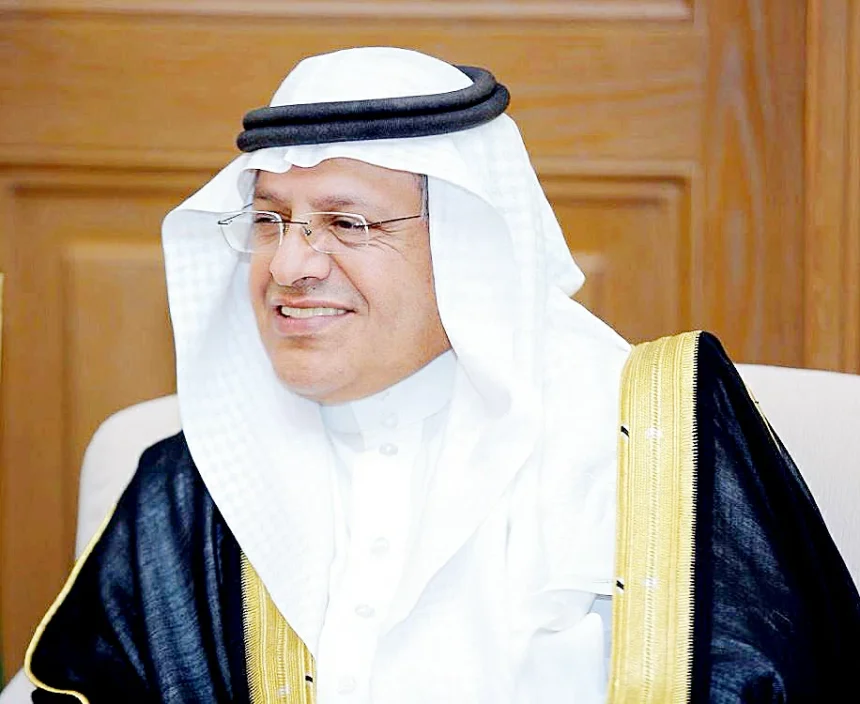
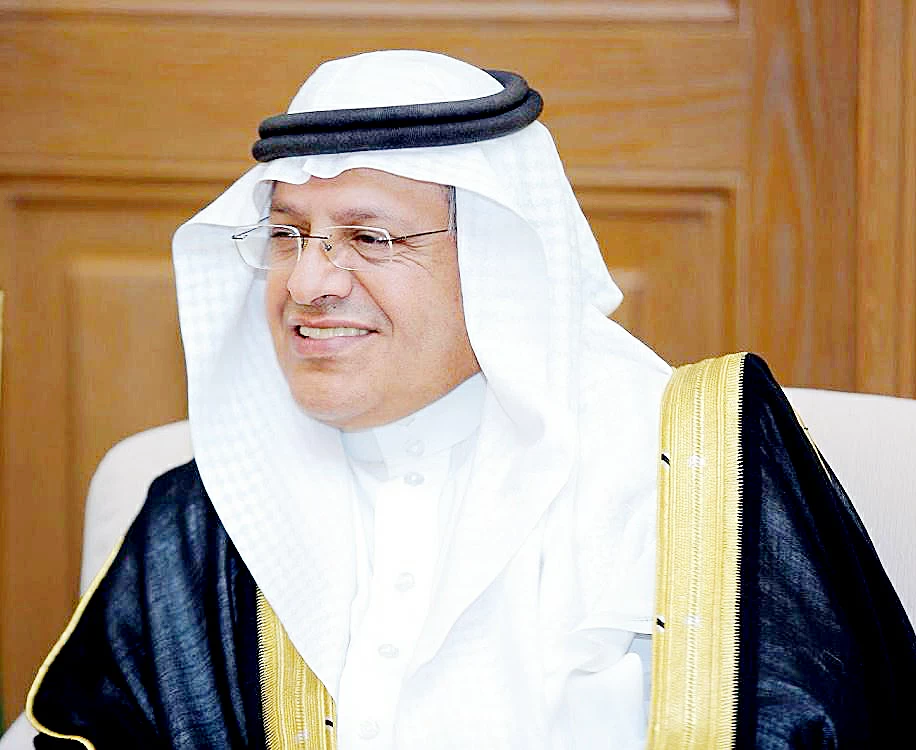
تجتمع في الشاعر الإعلامي محمد عابس أخلاقيات مهنة وأدب، وتجمعه بالفضاء الثقافي علاقات إنسانية نادرة، تنمّ عن ذات لها أبعاد ومشارب معرفيّة وأدبية، وتمتلك مهارات إدارية. وبالوقوف على سيرة الشاعر والإداري والمذيع، الذي لا يملك إلا وجهاً واحداً، وإن كانت اهتماماته متعددة الألوان، نكتشف المزيد من ملامح الضيف، ونتعرف على ما له وما عليه، فإلى نصّ الحوار..
• من أي قريةٍ أتيتَ وكيف استقبلتك المدينة؟
•• ولدت في الرياض، ثم انتقلت في سن الدراسة للشهوم في محافظة النماص لمدة عام، ثم إلى خميس مشيط وأكملت الدراسة الثانوية، وعدت للرياض وانتسبت لجامعة الملك سعود ثم تخرجت وتعيّنت في الرياض. هناك مؤاخاة مبكرة بين القرية والمدينة بزياراتي السنوية للقرى في الجنوب ومناطق المملكة الأخرى بشكل خاص في الإجازات أو لمهام العمل.
العاصمة استقبلتني طفلاً في منفوحة، وغزوتها شاباً وقاومت حبائلها، خسرت في بدايات الصراع وانتصرت بعد استيعاب تقلباتها وطبيعتها وسلطتها.
• ما الهاجس الذي يظل يجوس في صدور القرويين عندما يصلون المُدن؟
•• للقرية فضاءاتها وجمالياتها وعالمها الصغير وهدوؤها وطفولتها، وفسيفساؤها المبدع والغني، ولا سيما القرى في السراة والأصدار وتهامة ووحدتها البشرية. أما المُدن فعالم واسع يبتلع كل شيء، متعدد المشارب والعادات والتغيرات فيها الغربة والتوحش والمصالح والركض الدؤوب في كل الاتجاهات.
القرية هي الأنثى والحبيبة والقصيدة والأغنية واللوحة، أما المدينة فهي الرجل بقسوته وجبروته وتناقضاته والرواية والبحث والنقد.
ولعل أهم هاجس التساؤلات المتتالية عن المقدرة أو عدمها في استيعاب الفروقات المختلفة بين المدينة والقرية. أما الآن فكثير من القرى أصبحت مدناً صغيرة.
• بمن تأثرتَ في سيرتك ومسيرتك؟
•• كان والدي رحمه الله هو المؤثر الأول والأهم في شخصيتي وحياتي عموماً، إلى جانب حب الوالدة واهتمامها الكبير. الوالد هو من فتح لي أبواب القراءة والكتابة مبكراً دعماً وتشجيعاً، وما سواه كانت تأثيرات جانبية من المدرسة والأسرة.
كنت منذ الصف الأول أحب الكتابة والخط والرسم إلى جانب الشعر ثم أضيف لها في المتوسطة والثانوية الخطابة والتمثيل والعمل الصحفي المدرسي.
• أيُّ أحلام الشاعر فيك تحققت وماذا عن الخيبات؟
•• بعضها تحقق وبعضها ألبسه المحيط في العمل الفشل والخيبات بفعل فاعل، وبعض الظروف المؤلمة في حياتي وفي مقدمتها الفقد الذي كان محور ديواني (إليهم في سماواتهم، سيرة أخرى للفقد)، رغم الاجتهادات المتعددة، الأجمل مواصلة الحلم وتحويله إلى أحلام تستمر إلى آخر العمر، ومواصلة الإنتاج الإبداعي والتأليف دون انقطاع أو تأجيل.
• بماذا خرجتَ من تجربتك الإذاعية؟
•• خرجت بمزيج من الخبرات والعلاقات وصداقة بعض الزملاء وحب المستمعين وتواصلهم وبعضهم ما زال يتواصل معي في منصات الإعلام الجديد، وتعليقاتهم ونقدهم الإيجابي في معظمه، خرجت بخدمة الأدب والثقافة والفنون السعودية ممثلة في مبدعيها في مناطق المملكة عبر برامجي التي كان معظمها أدبية وثقافية وفنية، ولا أنسى الإحباط وتكسير المجاديف من بعض المسؤولين والحرمان من الابتعاث والدورات الذي دفعني للانتقال من الإذاعة إلى الإعلام الداخلي ثم الشؤون الثقافية ثم العلاقات الثقافية الدولية ثم العلاقات الإعلامية الدولية، وكان الختام غريباً دون وداع من الوزارة حتى لو بقطعة ورق، وكنت في داخلي مسروراً بذلك.
• بين الشعر والعمل البيروقراطي والمذياع أين وجدت نفسك؟
•• الشعر عالمي الأهم والأجمل والأول ثم الصحافة، أما الإذاعة فأحببتها ومنحتها الكثير من الوقت والجهد ولولا سوء الإدارة ما تركتها، وكذلك الإعلام الداخلي، وأخيراً كان للعمل الثقافي مكانته عندي رغم العقبات والتحديات الوظيفية قدمت الكثير على مدى سنوات من المسؤوليات الإدارية ثقافياً في عدة إدارات، والحمد لله لم أقصر فيما أوكل لي من مهام.
• ما همزة الوصل بين الإعلام والثقافة وما همزة القطع؟
•• الإعلام مجموعة من القنوات حملت الثقافة بدءاً من الصحافة (معظم رواد صحافة الأفراد أدباء ومثقفون) ثم الإذاعة ثم التلفزيون وكلها كانت همزات وصل دعمت ورعت الثقافة والأدب بشكل كبير. أما همزة القطع فكانت بسبب كثير من الموظفين الذين لا يملكون ثيمات الأدب والثقافة أو الإعلام المهني الحقيقي، وبعضهم تسنم مسؤوليات أكبر منه، ولا شك أن الصراع الوظيفي طبيعي في أي قطاع ولكن إذا كان صراعاً نبيلاً وتنافساً لا يستخدم الضرب تحت الحزام والتآمر والحرمان من الحقوق. ومن خبرات السنين وجدت أن القسوة والصرامة والشدة الدائمة تفسدك وتفسد ما حولك وتخل بميزان العدالة والمساواة الوظيفية، وفي النهاية الكرسي لا يدوم.
• ما هي المحطة التي ندمتَ على مرورك بها، والتي تمنيت لو أنك وصلت إليها؟
•• الندم لا وجود له في حياتي، إلا على حسن ظني ببعض المسؤولين وبعض الزملاء وبعض الأصدقاء الذين كشفتهم الأيام وعرتهم بعض الظروف. أما عملي في بداية خدمتي الوظيفية في التعليم الذي انتهى بالاستقالة المسبّبة فكان قراراً لم أندم على اتخاذه، إلا أنني تجاوزت ذلك كله بالصبر والتحدي وتغيير مواقع العمل للبحث عن المكان المناسب للعمل. تمنيت أن أقدم أكثر وأخدم العمل الإعلامي والثقافي بشكل أكبر ولكن حبس حابس محمد عابس.
• من هم أساتذتك الذين لا تنسى فضلهم؟
•• هناك أساتذة فضلاء منذ المرحلة الابتدائية إلى الجامعة أفتخر بهم وبدعمهم وتشجيعهم ولكن أهمهم كان في المرحلة الجامعية ومنهم: أحمد الضبيب، عبدالعزيز الفدا، منصور الحازمي، أحمد كمال زكي، نذير العظمة، محمد القويفلي، ناصر الرشيد، سعيد الأفغاني، حسن ظاظا، محمد أبا حسين، مرزوق بن تنباك، عبدالله المعيقل، عبدالرحمن الخانجي، شكري عياد، أحمد البدلي، محمد حسن با كلا، عبدالرحمن السماعيل، سعيد يقطين، محمد الهدلق، عبدالله سليم الرشيد، إبراهيم الفوزان، محمد القاضي، صالح بن رمضان، فضل العماري، محمد العوضي، صالح الوهيبي، حمزة المزيني، إبراهيم الشمسان، مسعد الشامان، فالح العجمي، عمر الخطيب، حمزة بيت المال، مع حفظ الألقاب. أما في مراحل التعليم الابتدائية والمتوسطة والثانوية فمنهم: سعد عوض، أحمد إبراهيم، علي بن سعيد، بسيوني طه، محمد جماح، سعيد زربان، حسين هادي، علي مصطفى، علي الشهري، مصطفى حامد، بسيوني طه، محمد البحيري، محمد سعيد رفيق، محمد بديع، رحم الله من مات منهم وأطال في عمر الأحياء. وهناك أساتذة لي خارج قسم اللغة العربية وخارج الجامعة عموماً سواء في الصحافة أو الإذاعة والإعلام عموماً وفي حقول العمل الثقافي، أو القطاع الخاص.
• هل تصادمت مع شخصيات تكسّر مجاديف الطموح، وماذا عن مولديّ الإحباط؟
•• بالتأكيد وهم كثيرون تعاملت معهم بحسن نية ثم بدبلوماسية ثم بحذر شديد ثم بالابتعاد النهائي عنهم، في قطاعات التعليم والإعلام والثقافة المتعددة.
أما مولدو الإحباط فهم موجودون ليس في العمل بل في مختلف مجالات الحياة، ولا أهتم بهم كثيراً ولعلهم كانوا دون أن يعلموا من أهم دوافع الاستمرار والتحدي في مختلف المجالات التي خضت عبابها. عموماً الأعمال التي تتطلب نوعاً من الإبداع أو التميّز أو المهنية العالية تكون محفوفة بأعداء النجاح والمحبطين والمتسلقين ومحدودي الإمكانات، وقد تلعب الأسرة أو القبيلة دوراً في دعم من لا يستحق.
• كيف حافظت على توازنك النفسي والأدبي وأنت تدير الأندية الأدبية؟
•• الحمد لله أنني كنت موفقاً ومتوازناً بين العلاقة الوظيفية والعلاقة بمصلحة الأدب والثقافة، والقرب من الزملاء في مجالس الإدارات ودعم المتميزين منهم وتحفيز البقية إلى أن استقلت بسبب تضارب العلاقة الوظيفية بين الشؤون الثقافية، وهيئة الثقافة عند إنشائها قبل تحولها إلى وزارة، حينما تكون واضحاً وصريحاً ومتوازناً في أداء العمل لن يصعب عليك الأمر.
• بماذا يمكن أن تلخّص تجربتك مديراً عاماً رومانسياً لمؤسسة إشكالية؟
•• كانت أحلام وطموحات ورغبات جادة لم تدم طويلاً بسبب التغييرات التي طرأت، حاولت إمساك العصا من منتصفها إلى اللحظات الأخيرة، ولست نادماً على كل ما قمت به لخدمة الأدب والثقافة السعودية بكل ما كان ممكناً، رغم قسوة الظروف وقلة الدعم. والرومانسية ليست عيباً، بل مصدر توازن بين العقل والواقع وبين العاطفة الإيجابية المبهرة بالأحلام الفردية والجماعية لمصلحة العمل والوطن العظيم.
• لماذا عاد محاربو الأندية الأدبية للتباكي عليها؟
•• لأسباب كثيرة منها إلغاء الدعم المادي السنوي واستيعاب بعضهم المتأخر لدورها التاريخي في خدمة الأدب والثقافة في معظمها، مع أن بعضها كان دورها محدوداً جداً، ولا ننسى فقدان بعضهم لمكانته السابقة وخيبتهم بعدما حدث من تغييرات، أضف إلى ذلك فقدان بعضهم لمكاسبه الأدبية أو المالية، ولكن بعض هذه الأندية خدمت أدب وثقافة الوطن منذ منتصف السبعينيات الميلادية بنشر الكتب والدوريات والفعاليات المختلفة من أمسيات وندوات وملتقيات ومؤتمرات وورش تدريبية، ولا بد من الاستفادة منها كتاريخ مهم للأدب والثقافة في بلادنا.
• لو عاد بك الزمن للوراء، هل تقبل العمل مع مؤسسات المثقفين؟
•• نعم ولكن بشروط وضوابط مختلفة، والمؤكد عندي أنه ليس كل مثقف أو مبدع أو دكتور ناجحاً في الإدارة. الإدارة الثقافية صعبة جداً لأنها تتعامل مع فئات مختلفة المشارب والتوجهات والعقليات، وتحتاج إلى الكثير من المواصفات.
• ما مدى رضاك عن تجربتك الشعريّة؟
•• كل الرضا، رغم الإحباطات وضعف دور النشر وانعدام نقاد الشعر وتأخري في طباعة بعض الأعمال بسبب ظروف العمل، إلى جانب ضعف وسائل الإعلام في مواكبة تطورات الإبداعات الشعرية لكثير من الأسماء، ولست الوحيد.
الاهتمام منذ سنوات توجّه للرواية وأخيراً للسيرة الذاتية. ومعظم النقاد ووسائل الإعلام توجّهت للسرد.
• ماذا عن تناول النقاد لمجموعاتك وما أثر النقد الأدبي على الكاتب؟
•• رغم بعض القراءات النقدية لدواويني المنشورة في الصحف والمجلات المحلية والعربية وبعض الكتب، إلا أنني لست راضياً عن مستوى وحجم التناول، وربما يعود ذلك إلى أن كثيراً من النقاد والأكاديميين لا يجيدون قراءة الشعر أصلاً فكيف يمكنهم نقده تحت مظلة أي مدرسة نقدية. أضف إلى ذلك أن كثيراً من الكتابات النقديّة ضمتها رسائل علمية أو بحوث ترقية مختفية في مكتبات الأقسام والكليات أو مجلات متخصصة لا يعرفها سوى المهتمين.
• من هو الشاعر الأوّل سعوديّاً وعربياً في هذه المرحلة؟
•• هناك شعراء كثيرون وبخاصة في السعودية أخشى ذكر الأسماء فيزعل الآخرون، وتربطني علاقة الصداقة بمعظمهم، ولا أنسى أيضاً علاقاتي بعدد غير قليل بالشعراء في الدول العربية أو المقيمين خارج بلادهم.
• ماذا تقول لمن أحسنت بهم الظن وخاب ظنك؟
•• أقول لهم: شكراً لكم على أن كنتم درجات كثيرة في سلم الحياة، وحافزاً كبيراً على الإصرار والتحدي ومواصلة العمل في المواقع المختلفة، واكتشاف عيوبي وأخطائي التي كنت غير مدرك لها في بعض الفترات، والحمد لله تفرّغت حالياً للشعر والكتابة والأسرة والعمل الحر في كتابة السيناريو والأغنية والأوبريت والاستشارات الإعلامية والثقافية، والسفر بخاصة لأماكن لم أزرها من قبل.
• كيف ترى تفكيك الثقافة في جمعيات وهيئات وهل سدت مسد الأندية الأدبية؟
•• لا أعتقد أن أي مؤسسة يمكنها أن تقوم بكل شيء، التخصص مطلوب والتنسيق مطلوب والتنظيم مطلوب، ولا يمكن لجهة أو مؤسسة أن تسد مسد غيرها في العمل الثقافي الواسع، تعدد الجهات والمنصات مطلوب، ولكن التهميش والإلغاء والشلليات والضعف الإداري والنفاق والتطبيل والتزييف كلها مرفوضة، إن أردنا خدمة الثقافة بجدية، وليس تحويلها إلى عملية هشة واستهلاكية. الأوساط الثقافة بمفهومها الواسع يشوبها بعض الأمراض التي ليس من اليسير التغلب عليها أو معالجتها إلا إذا كانت النوايا صادقة بمعالجة أسبابها ودواعيها بحزم وعزم أسوة بما قامت به قيادتنا الحكيمة في مختلف المجالات.
• لماذا يشتهر فضاء العمل الثقافي بالمجاملات وسرعة تبدّل المواقف؟
•• بسبب الفساد والمصالح المؤقتة والتطبيل الأجوف والشللية والمحاباة التي كانت موجودة وعانى منها كثيرون، وأراها قد عادت إلى الوجود وظهرت على السطح بشكل أكبر في المؤسسات وبعض الجمعيات وأندية الهواة والمبادرات، أضف إلى ذلك تكرار حضور الأسماء (كثير منها محدودة الإبداع).
لا بد أن يكون هناك تصنيف وقواعد بيانات وتدوير المسؤوليات التنفيذية بين المؤهلين وذوي الخبرات، وعدم الاعتماد الكلي على المؤسسات والشركات في تصميم البرامج واختيار الأسماء، إلخ..
• هل يتناقص عدد أصدقاء من كان في مركز إداري ثم خرج منه؟
•• بالتأكيد وهم معروفون على مدار التاريخ بأصدقاء الكرسي، ولكن ضميري الإنساني والثقافي مرتاح جداً سواء في معرض الكتاب أو مؤتمر الأدباء أو ملتقى المثقفين أو اللجان العديدة التي رأستها أو شاركت في عضويتها وسلاسل الكتب التي صدرت تحت إشرافي أو الملتقيات الخليجية وغيرها، ولا أهتم بهذه النوعية من البشر، ولم أكن جاهلاً بنواياهم وحقيقتهم. ومن أمثالنا الشعبية: من جاء له حب ومن راح له حبين.
• من هو المؤهل للتعامل مع المثقفين إدارياً، وماذا عن سيف الحياء؟
•• المؤهل هو الدارس الذي يحمل كاريزما متميّزة ودبلوماسية مؤثرة وموضوعية وإنسانية صادقة، مع إتاحة الفرصة للجميع، وإبقاء سيف الحياء في غمده.
هناك أسماء كثيرة عملت سابقاً، أو لم تتح لها الفرصة للعمل يمكن الاستفادة منهم، وليس من العقل والمنطق ومصلحة العمل والوطن أن يتم تدوير كثير من الأسماء بين المؤسسات والجمعيات وأعضاء الجوائز ومجالس الإدارات واللجان وكأن وطننا العظيم لا يوجد فيه سواهم.
The media poet Mohammed Abas embodies the ethics of the profession and literature, and he shares rare human relationships within the cultural space, reflecting a self with dimensions and intellectual and literary inclinations, along with administrative skills. By examining the life of the poet, administrator, and broadcaster, who possesses only one face despite his diverse interests, we discover more features of the guest and learn about his merits and shortcomings. So, here is the text of the dialogue..
• From which village did you come, and how did the city welcome you?
•• I was born in Riyadh, then moved during my school years to Al-Shuhum in the Al-Namas governorate for a year, then to Khamis Mushait where I completed my secondary education, and I returned to Riyadh to enroll at King Saud University, then graduated and was appointed in Riyadh. There is an early bond between the village and the city through my annual visits to the villages in the south and other regions of the Kingdom, especially during vacations or for work tasks.
The capital welcomed me as a child in Manfouha, and I conquered it as a young man, resisting its temptations. I lost in the early stages of the struggle but triumphed after understanding its fluctuations, nature, and authority.
• What is the concern that lingers in the hearts of villagers when they arrive in cities?
•• The village has its spaces, beauties, small world, tranquility, and childhood, along with its creative and rich mosaic, especially the villages in Al-Sarawat, Al-Issdar, and Tihama, and their human unity. As for the cities, they are a vast world that swallows everything, with diverse customs and changes, where one feels estrangement, savagery, interests, and relentless running in all directions.
The village is the female, the beloved, the poem, the song, and the painting, while the city is the male with its harshness, tyranny, contradictions, narrative, research, and criticism.
Perhaps the most important concern is the continuous questioning about the ability or inability to comprehend the various differences between the city and the village. Nowadays, many villages have become small cities.
• Who influenced you in your career and journey?
•• My father, may he rest in peace, was the first and most important influence in my personality and life in general, alongside my mother’s love and great care. My father opened the doors of reading and writing for me early on, supporting and encouraging me, while other influences were secondary from school and family.
Since the first grade, I loved writing, calligraphy, and drawing alongside poetry, and later added oratory, acting, and school journalism in middle and high school.
• Which of the poet’s dreams within you have come true, and what about disappointments?
•• Some have come true, while others were dressed in failure and disappointments by the surrounding environment due to deliberate actions and some painful circumstances in my life, foremost among them the loss that was the focus of my poetry collection (To Them in Their Skies, Another Narrative of Loss). Despite the multiple efforts, the most beautiful thing is the continuation of the dream and transforming it into dreams that last until the end of life, and the ongoing creative production and authorship without interruption or delay.
• What did you gain from your radio experience?
•• I gained a mixture of experiences, relationships, friendships with some colleagues, the love of listeners, and their continued communication, some of whom still reach out to me on new media platforms, along with their comments and mostly positive criticism. I emerged having served Saudi literature, culture, and arts represented by its creators in various regions of the Kingdom through my programs, most of which were literary, cultural, and artistic. I cannot forget the frustration and the breaking of oars from some officials and the deprivation of scholarships and courses that pushed me to transition from radio to internal media, then to cultural affairs, then to international cultural relations, and finally to international media relations. The ending was strange without a farewell from the ministry, even if it was just a piece of paper, and I was internally pleased with that.
• Between poetry, bureaucratic work, and radio, where did you find yourself?
•• Poetry is my most important, beautiful, and primary world, then journalism. As for radio, I loved it and devoted a lot of time and effort to it, and if it weren’t for poor management, I wouldn’t have left it. Similarly, internal media held its place for me despite the obstacles and challenges of my job. I contributed a lot over the years in various cultural administrative responsibilities, and thank God I did not fall short in the tasks assigned to me.
• What is the link between media and culture, and what is the severance?
•• Media is a collection of channels that carried culture, starting with journalism (most of the pioneers of individual journalism are writers and intellectuals), then radio, then television, all of which were links that greatly supported and nurtured culture and literature. As for the severance, it was due to many employees who do not possess the themes of literature, culture, or true professional media, some of whom assumed responsibilities greater than themselves. There is no doubt that occupational conflict is natural in any sector, but if it is a noble struggle and competition that does not involve below-the-belt tactics, conspiracy, and deprivation of rights. From years of experience, I found that constant harshness, severity, and strictness ruin you and ruin those around you and disrupt the balance of justice and occupational equality, and in the end, the chair does not last.
• What is the station you regret passing through, and which one do you wish you had reached?
•• Regret does not exist in my life, except for my good opinion of some officials, colleagues, and friends whom time revealed and circumstances exposed. As for my work at the beginning of my career in education, which ended with a justified resignation, it was a decision I do not regret making, but I overcame all of that with patience, challenge, and changing work locations to find the suitable place for work. I wished to contribute more and serve the media and cultural work more significantly, but circumstances held Mohammed Abas back.
• Who are your teachers whose favor you will never forget?
•• There are many esteemed teachers from elementary school to university whom I am proud of for their support and encouragement, but the most important were in university, including: Ahmed Al-Dhabib, Abdulaziz Al-Fada, Mansour Al-Hazmi, Ahmed Kamal Zaki, Nazeer Al-Azma, Mohammed Al-Qwaifli, Nasser Al-Rasheed, Saeed Al-Afghani, Hassan Dhaza, Mohammed Aba Hussein, Marzouk Bin Tanbak, Abdullah Al-Muqail, Abdulrahman Al-Khanji, Shukri Ayad, Ahmed Al-Badli, Mohammed Hassan Bakla, Abdulrahman Al-Sama’il, Saeed Yaqteen, Mohammed Al-Hadlq, Abdullah Saleem Al-Rasheed, Ibrahim Al-Fawzan, Mohammed Al-Qadi, Saleh Bin Ramadan, Fadl Al-Amari, Mohammed Al-Awadi, Saleh Al-Wuhibi, Hamza Al-Muzaini, Ibrahim Al-Shamsan, Musaad Al-Shaman, Faleh Al-Ajmi, Omar Al-Khateeb, Hamza Bayt Al-Mal, with all due respect to their titles. As for the elementary, middle, and high school stages, among them were: Saad Awad, Ahmed Ibrahim, Ali Bin Saeed, Basyouni Taha, Mohammed Jamah, Saeed Zarban, Hussein Hadi, Ali Mustafa, Ali Al-Shahri, Mustafa Hamid, Basyouni Taha, Mohammed Al-Buhairi, Mohammed Saeed Rafiq, Mohammed Badi, may God have mercy on those who have passed away and prolong the lives of the living. There are also teachers of mine outside the Arabic language department and outside the university in general, whether in journalism, radio, and media in general, and in cultural work fields or the private sector.
• Have you collided with personalities that break the oars of ambition, and what about the sources of frustration?
•• Certainly, and there are many. I dealt with them with good intentions, then diplomatically, then with great caution, and finally distanced myself from them entirely, in various sectors of education, media, and culture.
As for the sources of frustration, they exist not only in work but in various aspects of life, and I do not care much about them. Perhaps they were, without knowing, among the most significant motivations for continuity and challenge in various fields I have ventured into. Generally, works that require a kind of creativity, distinction, or high professionalism are fraught with enemies of success, frustrators, and climbers with limited capabilities, and family or tribal support may play a role in supporting those who do not deserve it.
• How did you maintain your psychological and literary balance while managing literary clubs?
•• Thank God, I was successful and balanced between the professional relationship and the interest in literature and culture, being close to colleagues in the boards of directors and supporting the distinguished among them and motivating the rest until I resigned due to the conflict of the professional relationship between cultural affairs and the Culture Authority when it was established before it turned into a ministry. When you are clear, frank, and balanced in performing your work, things will not be difficult for you.
• How can you summarize your experience as a romantic general director of a problematic institution?
•• There were serious dreams, ambitions, and desires that did not last long due to the changes that occurred. I tried to hold the stick from the middle until the last moments, and I do not regret everything I did to serve Saudi literature and culture as much as possible, despite the harsh conditions and lack of support. Romanticism is not a flaw; rather, it is a source of balance between reason and reality and between positive emotions that are dazzling with individual and collective dreams for the benefit of work and the great nation.
• Why have the warriors of literary clubs returned to lament them?
•• For many reasons, including the cancellation of annual financial support and some of them belatedly realizing their historical role in serving literature and culture, although some had a very limited role. We should not forget the loss of some of them of their previous status and their disappointment after the changes that occurred, in addition to some losing their literary or financial gains. However, some of these clubs served the literature and culture of the nation since the mid-1970s by publishing books, periodicals, and various events such as evenings, seminars, gatherings, conferences, and training workshops, and we must benefit from them as an important history of literature and culture in our country.
• If you could turn back time, would you accept working with institutions of intellectuals?
•• Yes, but under different conditions and regulations. What I am certain of is that not every intellectual, creator, or successful doctor is fit for administration. Cultural administration is very difficult because it deals with different categories of backgrounds, orientations, and mentalities, and it requires many specifications.
• How satisfied are you with your poetic experience?
•• I am fully satisfied, despite the frustrations, the weakness of publishing houses, the lack of poetry critics, and my delay in printing some works due to work circumstances, in addition to the weakness of media in keeping up with the developments of poetic creations of many names, and I am not the only one.
Interest has been directed towards novels for years and recently towards autobiographies. Most critics and media have focused on narrative.
• What about critics’ treatment of your collections, and what is the impact of literary criticism on the writer?
•• Despite some critical readings of my published poetry collections in local and Arab newspapers and magazines and some books, I am not satisfied with the level and volume of the treatment, and this may be due to the fact that many critics and academics do not master reading poetry at all, so how can they critique it under any critical school? Moreover, many critical writings are included in scientific theses or promotion research hidden in the libraries of departments and colleges or specialized magazines known only to those interested.
• Who is the first poet, Saudi and Arab, in this phase?
•• There are many poets, especially in Saudi Arabia, and I fear mentioning names as others may be upset. I have friendships with most of them, and I also remember my relationships with a considerable number of poets in Arab countries or those residing outside their homeland.
• What do you say to those you had a good opinion of and who disappointed you?
•• I say to them: Thank you for being many steps on the ladder of life, a great motivation for persistence, challenge, and continuing work in various positions, and for helping me discover my flaws and mistakes that I was unaware of during some periods. Thank God, I am currently devoted to poetry, writing, family, and freelance work in writing scenarios, songs, operettas, and media and cultural consultations, as well as traveling, especially to places I have not visited before.
• How do you see the disintegration of culture in associations and bodies, and have they replaced literary clubs?
•• I do not believe that any institution can do everything; specialization is required, coordination is necessary, and organization is essential. No entity or institution can replace another in the broad cultural work. The multiplicity of entities and platforms is required, but marginalization, cancellation, cliques, administrative weakness, hypocrisy, and deception are all rejected if we want to serve culture seriously, not turn it into a fragile and consumable process. The cultural circles, in their broad sense, are plagued by some diseases that are not easy to overcome or treat unless the intentions are sincere in addressing their causes and reasons with firmness and determination, similar to what our wise leadership has done in various fields.
• Why is the cultural work space known for flattery and rapid changes in positions?
•• Due to corruption, temporary interests, hollow flattery, cliques, and favoritism that have existed and many have suffered from. I see that it has returned to existence and has become more apparent in institutions, some associations, amateur clubs, and initiatives, in addition to the repetition of the presence of names (many of which have limited creativity).
There must be classification, databases, and rotation of executive responsibilities among qualified individuals with experience, and not relying entirely on institutions and companies in designing programs and selecting names, etc.
• Does the number of friends decrease for those who were in an administrative position and then left it?
•• Certainly, and they are known throughout history as friends of the chair. However, my human and cultural conscience is very comfortable, whether at the book fair, the writers’ conference, the intellectuals’ gathering, or the numerous committees I chaired or participated in, and the series of books published under my supervision or the Gulf gatherings and others. I do not care about this type of people, and I was not ignorant of their intentions and realities. As our popular saying goes: “Whoever comes to him with love, and whoever leaves him with two loves.”
• Who is qualified to deal with intellectuals administratively, and what about the sword of shyness?
•• The qualified person is the scholar who possesses a distinguished charisma, effective diplomacy, objectivity, and sincere humanity, while allowing opportunities for everyone and keeping the sword of shyness in its sheath.
There are many names that worked previously, or did not have the opportunity to work, from whom we can benefit. It is neither rational nor logical nor in the interest of work and the nation to rotate many names among institutions, associations, award members, boards of directors, and committees as if our great nation has no one else.