لم تكن المائدة مجرد مساحة للطعام في الندوة الحوارية التي نظمتها هيئة الأدب والنشر والترجمة ضمن مشاركة المملكة العربية السعودية ضيف شرف معرض الجزائر الدولي للكتاب 2026 في دورته التاسعة والعشرين بل حضرت بوصفها ذاكرة ثقافية تختزن تاريخ الشعوب وتروي حكاياتها وتكشف عن ملامح هويتها وعاداتها الاجتماعية.
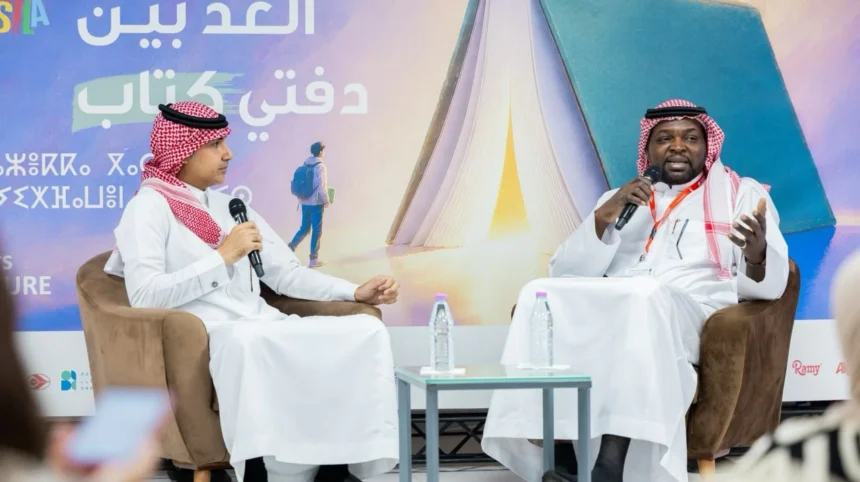
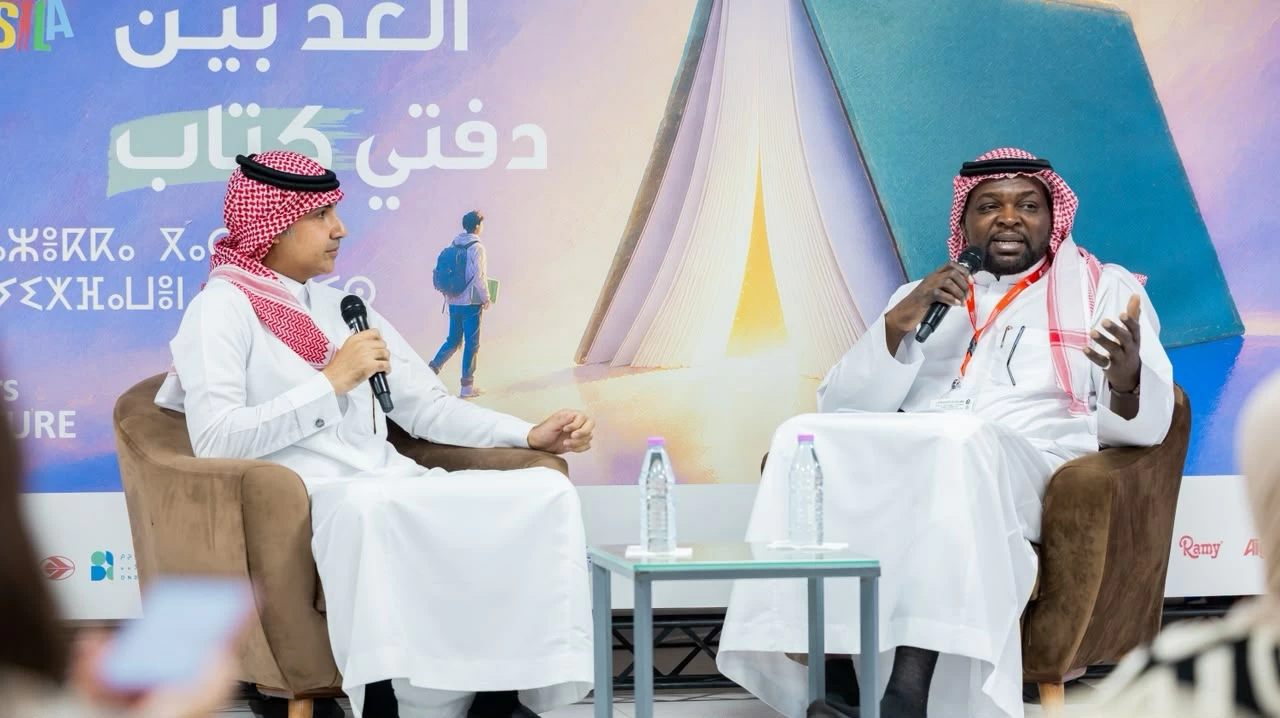
الندوة التي حملت عنوان «المطبخ السعودي الجزائري: تقاطعات ثقافية على المائدة» وقدمها الشيف عبد الصمد الهوساوي بحضور عدد من المهتمين بالتراث والثقافة تناولت أوجه التشابه والتنوع بين المطبخين السعودي والجزائري وما يجمعهما من تقاليد متوارثة في إعداد الطعام وطقوس الضيافة والمناسبات الاجتماعية.
واستعرض الهوساوي العلاقة بين الطعام والهوية الثقافية موضحاً أن الأطباق الشعبية ليست مجرد وصفات تتناقلها الأجيال بل شواهد حية على تاريخ المجتمعات وتحولاتها وامتداد علاقاتها الإنسانية. كما توقف عند القواسم المشتركة بين المطبخين وما تعكسه من قيم الكرم والاحتفاء بالضيف والمحافظة على الموروث الاجتماعي.
وتطرقت الندوة إلى التحولات التي تشهدها ثقافة الطهي في ظل الانفتاح على التجارب العالمية والتحديات المرتبطة بالمحافظة على أصالة المطبخ التقليدي دون عزله عن التطور والتجديد.
وأكد الهوساوي أن المطبخ يمثل إحدى اللغات الثقافية القادرة على تجاوز الحدود الجغرافية وتقريب الشعوب من بعضها مشيراً إلى أهمية التجارب الحية في إعداد الأطعمة وتذوقها بوصفها وسيلة للتعرف على ثقافة الآخر بعيداً عن الصور النمطية.
وأعادت الندوة طرح المطبخ الشعبي باعتباره جزءاً من التراث الثقافي الذي يستحق التوثيق والحفظ ومساحة للحوار الحضاري تتقاطع فيها ذاكرة المكان مع تفاصيل الحياة اليومية لتصبح المائدة جسراً للتواصل بين الثقافتين السعودية والجزائرية.
The table was not just a space for food in the panel discussion organized by the Saudi Literature, Publishing, and Translation Authority as part of Saudi Arabia’s participation as the guest of honor at the 2026 Algiers International Book Fair in its twenty-ninth edition; it was present as a cultural memory that stores the history of peoples, tells their stories, and reveals the features of their identity and social customs.
The panel, titled “Saudi-Algerian Cuisine: Cultural Intersections at the Table,” was presented by Chef Abdul Samad Al-Hawsawi in the presence of several individuals interested in heritage and culture. It discussed the similarities and diversity between Saudi and Algerian cuisines and the shared traditions in food preparation, hospitality rituals, and social occasions.
Al-Hawsawi reviewed the relationship between food and cultural identity, explaining that traditional dishes are not just recipes passed down through generations but are living testimonies to the history of societies, their transformations, and the extension of their human relationships. He also highlighted the commonalities between the two cuisines and what they reflect in terms of values of generosity, hospitality, and the preservation of social heritage.
The panel addressed the transformations occurring in culinary culture in light of openness to global experiences and the challenges associated with preserving the authenticity of traditional cuisine without isolating it from development and renewal.
Al-Hawsawi emphasized that cuisine represents one of the cultural languages capable of transcending geographical boundaries and bringing peoples closer together, pointing to the importance of live experiences in food preparation and tasting as a means of getting to know the culture of others, away from stereotypes.
The panel reintroduced traditional cuisine as part of the cultural heritage that deserves documentation and preservation, and as a space for civilizational dialogue where the memory of place intersects with the details of daily life, making the table a bridge for communication between Saudi and Algerian cultures.