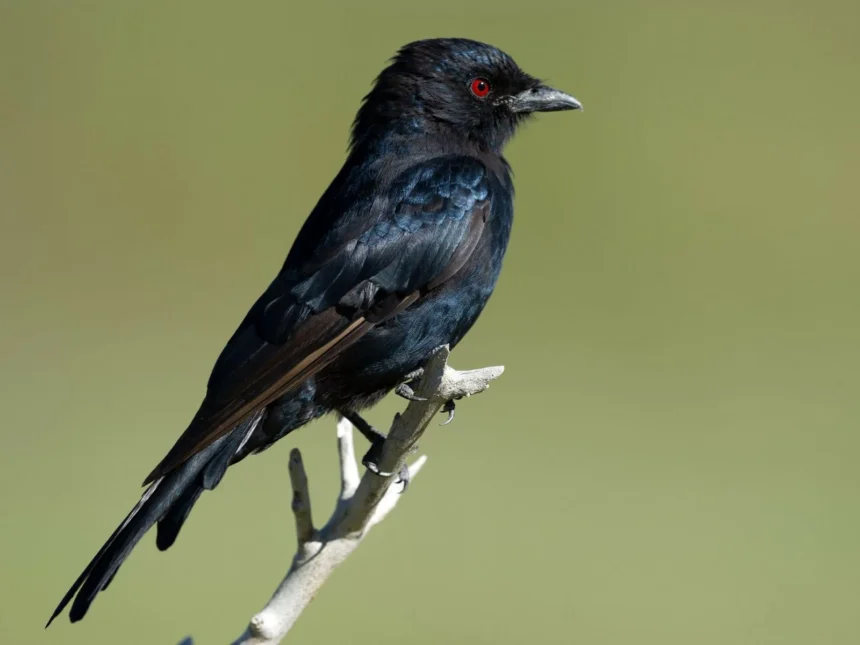
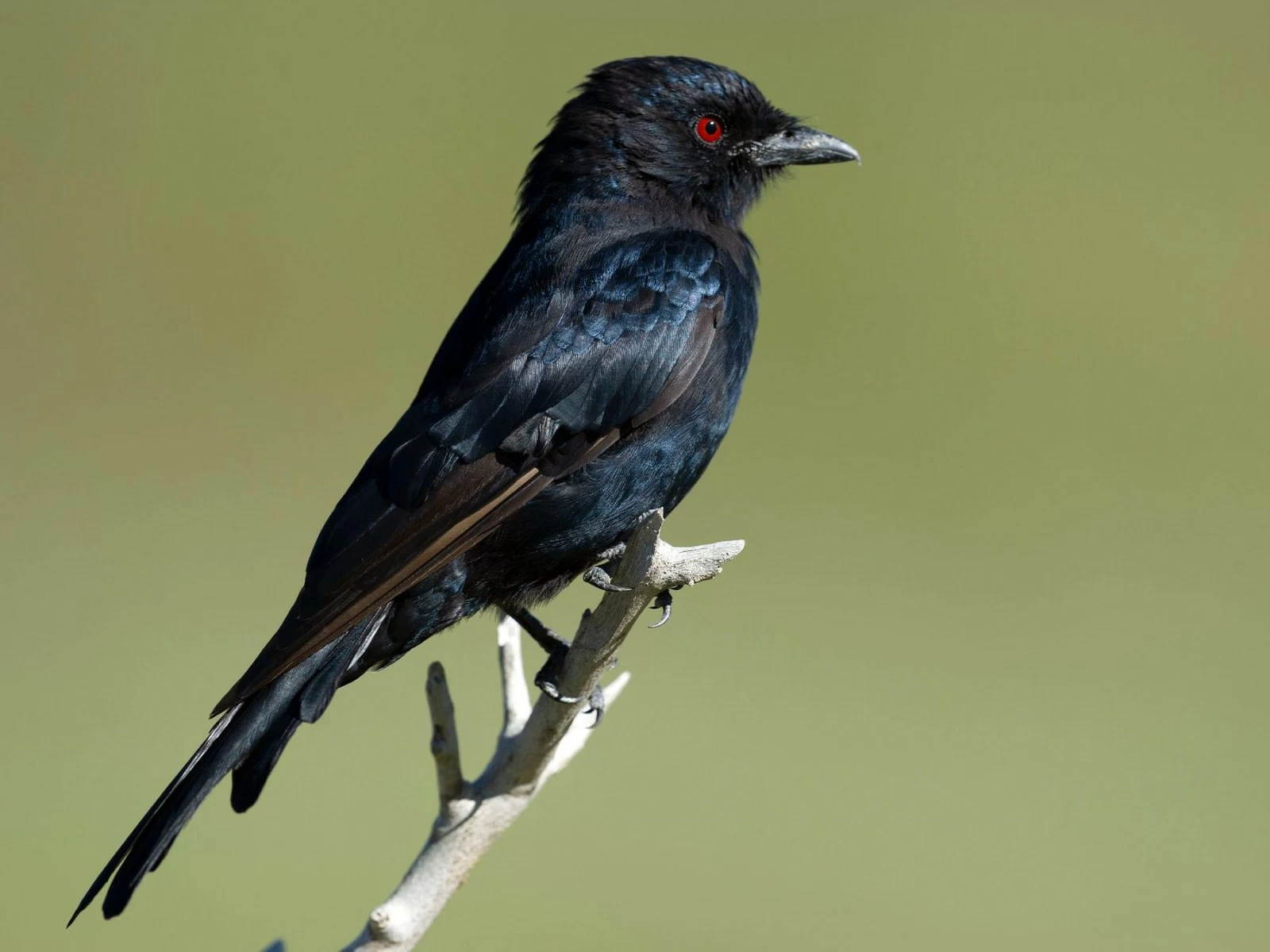
أعاد طائر أفريقي صغير الجدل العلمي حول قدرة الحيوانات على ممارسة الخداع المتعمد، بعدما أظهرت دراسات سلوكية أن طائر «الدرونغو» ذي الذيل المشقوق يستخدم نداءات إنذار زائفة ومقلدة لإخافة حيوانات أخرى ودفعها إلى ترك طعامها، قبل أن ينقض عليه ويسرقه.
إنذار كاذب لسرقة الطعام
ويراقب الطائر حيوانات مثل الميركات والطيور التي تبحث عن الطعام على الأرض، وعندما يحمل أحدها وجبة مناسبة يطلق نداءً يشبه التحذير من وجود حيوان مفترس.
وتستجيب الحيوانات للنداء بالهرب والاختباء، تاركة الطعام خلفها، ليستغل الدرونغو اللحظة ويستولي عليه.
وأظهرت تجارب ميدانية أن الحيوانات المستهدفة هربت استجابة للإنذارات الزائفة في 82% من الحالات التي رصدها الباحثون، وتركت الطعام خلفها في أكثر من نصف تلك الحالات.
يقلد أصوات الحيوانات
ولا يعتمد الدرونغو على صوته فقط، إذ يستطيع تقليد نداءات التحذير التي تطلقها أنواع أخرى، بينها الميركات وعدد من الطيور الأفريقية، ما يزيد قدرة الإنذار الكاذب على إقناع الضحية بوجود خطر حقيقي.
ورصد الباحثون أكثر من 50 نداءً خداعيًا مختلفًا ضمن repertoire الطائر الصوتي، ما يسمح له بتغيير الحيلة عندما تبدأ الحيوانات المحيطة في تجاهل أحد الأصوات.
يغيّر الحيلة عند انكشافها
وكشفت دراسة نشرت في مجلة «Science» أن الدرونغو لا يكرر النداء نفسه باستمرار؛ فعندما تفشل إحدى إشارات الإنذار في دفع الحيوان المستهدف إلى الهرب، ينتقل أحيانًا إلى نداء مختلف أو يقلد صوت نوع آخر.
ويرى الباحثون أن هذا التغيير يساعده على مواصلة الخداع، لأن تكرار الإنذار الكاذب نفسه قد يجعل الحيوانات تتعلم تجاهله بمرور الوقت.
هل يعد ذلك كذبًا؟
ورغم أن السلوك يمثل مثالًا واضحًا على «الخداع الوظيفي»، فإن العلماء ما زالوا حذرين في وصفه بالكذب بالطريقة نفسها التي يكذب بها البشر.
فالخلاف العلمي يتمحور حول ما إذا كان الطائر يفهم فعلًا ما يعتقده الحيوان الآخر ويتعمد تغيير اعتقاده، أم أن السلوك تطور من خلال التعلم والتجربة وربط النداء بنتيجة ناجحة مثل الحصول على الطعام.
ويرى علماء سلوك الحيوان أن الدرونغو يمثل نموذجًا لافتًا لدراسة الحدود بين التعلم والخداع والإدراك لدى الحيوانات، خصوصًا أن الطائر يراقب رد فعل ضحيته ويغير أسلوبه عندما لا تنجح الحيلة.
An African small bird has reignited the scientific debate about the ability of animals to engage in deliberate deception, after behavioral studies showed that the “drongo” bird, with its forked tail, uses false and mimicked alarm calls to scare other animals away from their food, before swooping in to steal it.
False Alarm for Food Theft
The bird observes animals like meerkats and birds searching for food on the ground, and when one of them has a suitable meal, it emits a call that resembles a warning of a predator’s presence.
The animals respond to the call by fleeing and hiding, leaving their food behind, allowing the drongo to seize the moment and take it.
Field experiments showed that the targeted animals fled in response to the false alarms in 82% of the cases observed by researchers, leaving their food behind in more than half of those instances.
Mimics Animal Sounds
The drongo does not rely solely on its own voice; it can mimic alarm calls made by other species, including meerkats and several African birds, which enhances the false alarm’s ability to convince the victim of a real threat.
Researchers recorded more than 50 different deceptive calls within the bird’s vocal repertoire, allowing it to change its tactic when surrounding animals begin to ignore one of the sounds.
Changes Tactics When Exposed
A study published in the journal “Science” revealed that the drongo does not continuously repeat the same call; when one of its alarm signals fails to prompt the targeted animal to flee, it sometimes switches to a different call or mimics the sound of another species.
Researchers believe that this change helps it continue deceiving, as repeating the same false alarm could lead animals to learn to ignore it over time.
Is This Considered Lying?
Although this behavior is a clear example of “functional deception,” scientists remain cautious in describing it as lying in the same way that humans do.
The scientific debate centers around whether the bird truly understands what the other animal believes and deliberately seeks to change that belief, or if the behavior evolved through learning and experience, linking the call to a successful outcome like obtaining food.
Animal behaviorists see the drongo as an intriguing model for studying the boundaries between learning, deception, and perception in animals, especially since the bird observes its victim’s reaction and alters its approach when the trick fails.