في مشهد يجمع بين دقة العمل وخطورة المهام خارج الغلاف الجوي، وثقت وكالة الفضاء الأمريكية «ناسا» خروج رائدي فضاء إلى خارج محطة الفضاء الدولية، لتنفيذ مهمة استغرقت أكثر من 7 ساعات، تضمنت تركيب ألواح شمسية جديدة لتعزيز إمدادات المحطة بالكهرباء.
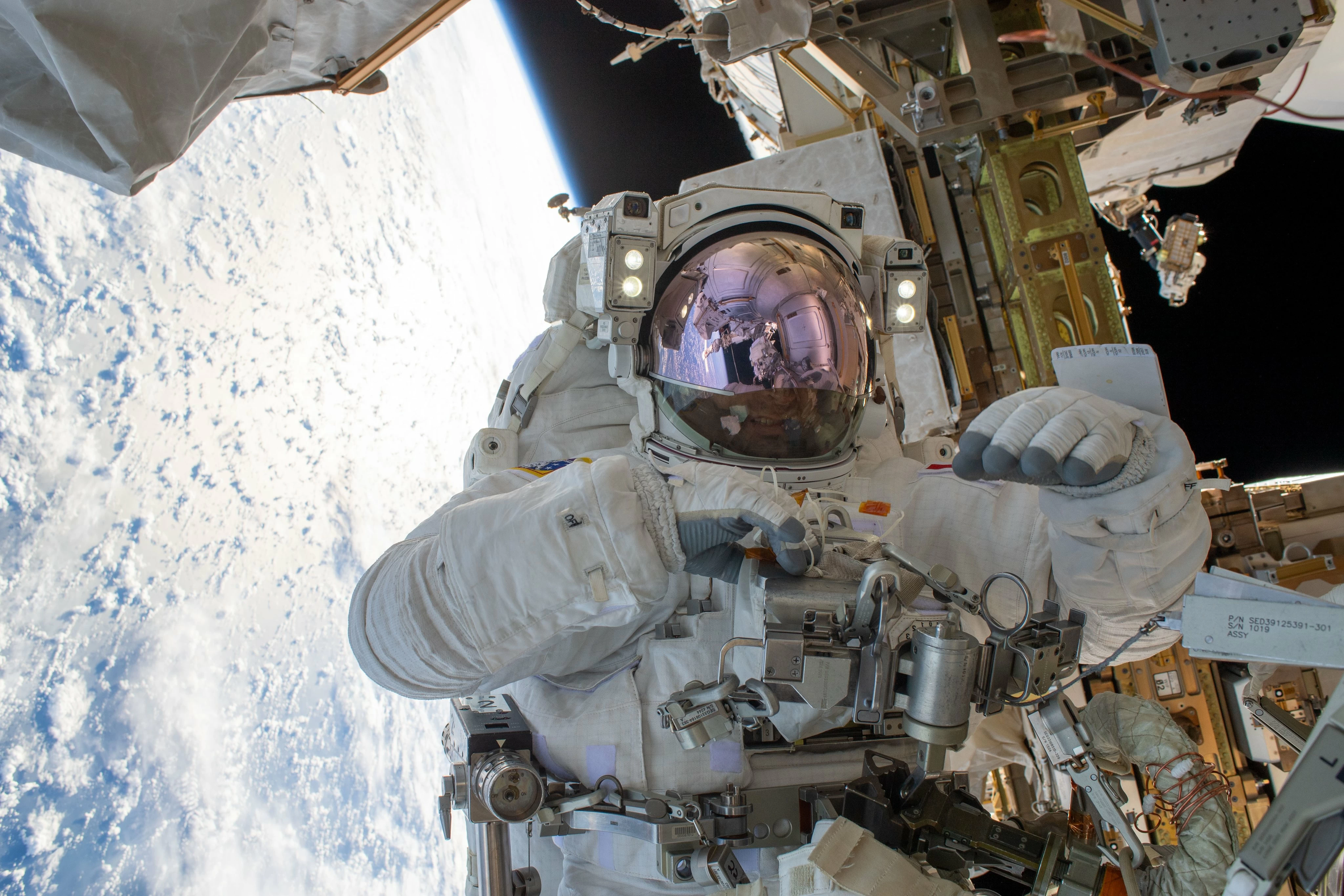
وأظهرت الصور التي نشرتها الوكالة رائدي الفضاء أنيل مينون، التابع لناسا، وجوشوا كوتريك، التابع لوكالة الفضاء الكندية، وهما يعملان على الهيكل الخارجي للمحطة، بينما بدت الأرض في الخلفية، في لقطات كشفت جانبا من طبيعة العمل في بيئة انعدام الجاذبية.
واستمرت عملية السير في الفضاء 7 ساعات و11 دقيقة، وشهدت استخدام مينون الذراع الروبوتية «Canadarm2» لنقل الألواح الشمسية المطوية إلى موقع تركيبها، فيما تحرك كوتريك على امتداد الهيكل المعدني للمحطة باستخدام معدات السلامة المخصصة لمثل هذه المهام.
تحديث منظومة الطاقة بالمحطة
وشملت المهمة تركيب مجموعة جديدة من الألواح الشمسية على قناة الطاقة الكهربائية «2A»، قبل تحرير مسامير التثبيت، بما سمح للمنظومة بالانفتاح تلقائيا خلال نحو 10 دقائق.
وتُعد هذه المجموعة السابعة من الألواح الشمسية التي تُركب على محطة الفضاء الدولية، وتهدف إلى زيادة كفاءة إنتاج الكهرباء ومساندة الألواح القديمة التي دخلت الخدمة خلال الفترة بين عامي 2000 و2009.
وتندرج هذه الأعمال ضمن خطة تحديث أنظمة المحطة والحفاظ على كفاءتها التشغيلية خلال السنوات المتبقية من عمرها، استعدادا لإنهاء مهمتها مستقبلا وإخراجها من المدار بطريقة آمنة وخاضعة للتحكم.
رقم قياسي جديد
ولم تقتصر أهمية المهمة على تحديث منظومة الطاقة، إذ سجلت، وفقا لناسا، عملية السير في الفضاء رقم 100 التي ينفذها رواد فضاء أمريكيون انطلاقا من محطة الفضاء الدولية.
واحتفى مينون بهذا الإنجاز عبر حسابه على منصة «إكس» في 30 أكتوبر، مشيرا إلى الدور الذي أدته الطاقة الشمسية في استمرار تشغيل المحطة لأكثر من 25 عاما، رغم الظروف القاسية التي تفرضها بيئة الفض
In a scene that combines precision work with the dangers of tasks outside the atmosphere, the American space agency “NASA” documented the exit of astronauts from the International Space Station to carry out a mission that lasted more than 7 hours, which involved installing new solar panels to enhance the station’s electricity supply.
The images published by the agency showed astronauts Anil Menon, from NASA, and Joshua Kutryk, from the Canadian Space Agency, working on the exterior structure of the station, while the Earth appeared in the background, in shots that revealed a glimpse of the nature of work in a microgravity environment.
The spacewalk lasted 7 hours and 11 minutes, during which Menon used the robotic arm “Canadarm2” to move the folded solar panels to their installation site, while Kutryk maneuvered along the station’s metal structure using safety equipment designated for such tasks.
Updating the Station’s Power System
The mission included the installation of a new set of solar panels on the electrical power channel “2A,” before releasing the mounting screws, which allowed the system to open automatically in about 10 minutes.
This is the seventh set of solar panels to be installed on the International Space Station, aimed at increasing electricity production efficiency and supporting the older panels that were put into service between 2000 and 2009.
These activities are part of a plan to update the station’s systems and maintain its operational efficiency during the remaining years of its lifespan, in preparation for ending its mission in the future and safely deorbiting it in a controlled manner.
New Record
The significance of the mission was not limited to updating the power system, as it marked, according to NASA, the 100th spacewalk carried out by American astronauts from the International Space Station.
Menon celebrated this achievement on his account on the “X” platform on October 30, highlighting the role that solar energy has played in keeping the station operational for over 25 years, despite the harsh conditions imposed by the space environment.